















Weekly meal prep is no longer a “fitness influencer” trend — it’s becoming a practical survival skill for modern Indian households.
Here’s why:
-
Online food delivery is booming in India, and market reports estimate strong growth over the next few years.
-
Surveys and industry analyses also point to rising adoption and penetration of online food delivery in India (with some estimates putting user penetration in the high teens for 2024).
-
Health-wise, global dietary guidance continues to warn against foods high in unhealthy fats, sugar, and sodium — a common pattern in frequent takeout and highly processed foods.
-
And yes — the mental load is real: research reviews connect decision fatigue with poorer food choices and reduced willpower later in the day.
That’s exactly where weekly meal prep wins.
Weekly meal prep = cook once, reduce daily stress for the next 3–5 days.
Instead of asking “Aaj kya banau?” every single day (and then ordering in), you build a fridge that already has answers.
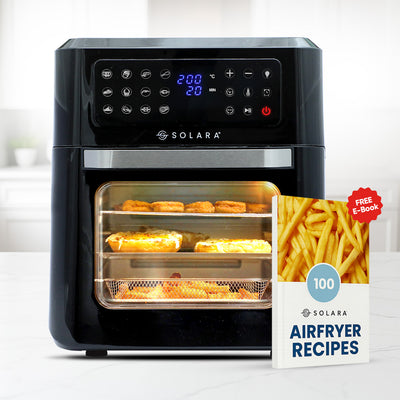
And if you’re a beginner (or just short on time), an air fryer oven makes meal prep easier, faster, and far more realistic to stick to.
Why Weekly Meal Prep Is Becoming Essential
Busy work schedules + unpredictable days
Hybrid work, long commutes, meetings, kids’ tuition classes — most weekdays don’t leave energy for full cooking.
Rising food delivery expenses
Delivery looks cheap until you add:
-
delivery fee
-
packaging charges
-
platform charges
-
inflated menu pricing
Meal prep turns food spending from “daily impulse” into “planned control.”
Health concerns from oily takeout
Indian takeout can be tasty but often leans heavy on oil, refined flour, and salt. Health bodies advise limiting foods high in unhealthy fats, sugar, and sodium.
India’s own nutrition guidance also flags deep-fried items (like fries, samosa, puri, kachori, etc.) as high-fat foods.
Desire for home-cooked food without daily cooking stress
Meal prep doesn’t mean eating boring food all week. It means prepping smart building blocks so daily cooking becomes quick assembling, not full effort.
What Is an Air Fryer Oven?
Simple explanation
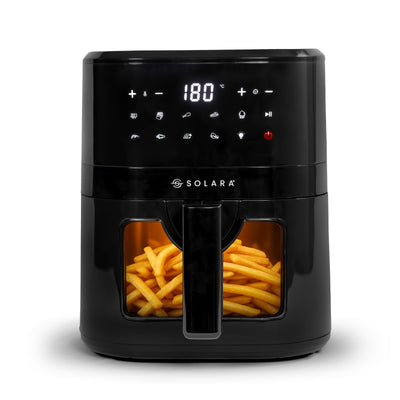
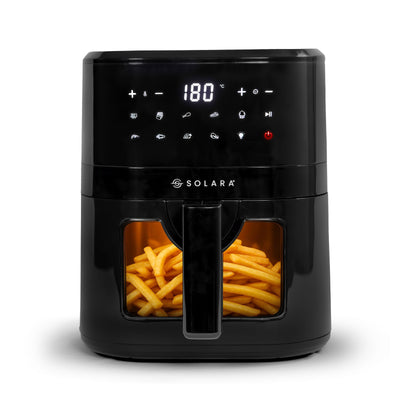
An air fryer oven is a compact electric cooking appliance that uses rapid hot air circulation to cook food evenly and crisp it with minimal oil.
How an Air Fryer Oven Works
Think of an air fryer oven as a small, powerful hot-air cooking box that cooks food evenly from all sides.
Heating Element – The Heat Source
Inside the air fryer oven, there is an electric heating element (usually placed at the top).
-
When you switch the air fryer ON and set a temperature, this element heats up quickly
-
It works like a very strong electric coil that produces consistent heat
-
This is the main source of cooking energy
Similar to how a heater warms a room, but here it warms the air inside the fryer.
High-Speed Fan – The Game Changer
Just below or behind the heating element is a high-speed fan.
-
This fan pushes the hot air rapidly around the food
-
Hot air keeps moving instead of sitting still
-
The air hits the food from all sides at the same time
- This constant movement is what makes food cook evenly and faster, unlike traditional ovens where heat can stay uneven.
Enclosed Cooking Chamber – Heat Locked In
The food sits inside a small, enclosed chamber (the basket or oven cavity).
-
Because the space is compact, heat does not escape easily
-
Hot air stays trapped and keeps circulating
-
Temperature remains stable throughout cooking
Less heat loss = faster cooking + better efficiency.
Concentrated Hot Air = Faster Cooking
Because of:
-
Strong heat from the element
-
Rapid air movement from the fan
-
Small enclosed space
The hot air becomes concentrated and constant.
This means:
-
Food cooks faster than in a traditional oven
-
Outer surfaces become crispy
-
Inside stays tender and moist
- Very little oil is needed, because crisping comes from airflow, not deep frying
Difference Between an Air Fryer Oven and a Traditional Oven (OTG)
At first glance, an air fryer oven and a traditional OTG may look similar.
But how they cook food is very different, and that difference matters a lot for everyday Indian cooking.
Let’s break it down simply
Smaller Cavity → Heats Faster
An air fryer oven has a much smaller cooking space compared to a traditional OTG.
-
Less empty space inside means less air to heat
-
Heat reaches the food faster
-
Temperature stabilizes quickly
In a traditional OTG:
-
The large interior takes longer to heat
-
Heat spreads slowly across the space
Result:
An air fryer oven starts cooking almost immediately, while an OTG takes time to “warm up.”
Faster Preheating (Often Minimal)
Because of the compact size and powerful fan system:
-
Many air fryer ovens don’t need long preheating
-
Some recipes can start cooking immediately after switching ON
-
Preheating, if required, usually takes 2–5 minutes
In a traditional OTG:
-
Preheating can take 10–15 minutes
-
You must wait before placing food inside
Result:
Air fryer ovens save time and electricity, especially for daily meals and snacks.
Crispier Results for Snacks and Roasted Items
This is where air fryer ovens really shine.
-
A high-speed fan keeps hot air moving constantly
-
Hot air hits food from all sides
-
Moisture on the surface evaporates quickly
-
Food browns and crisps evenly
In a traditional OTG:
-
Hot air moves slowly or unevenly
-
Food may brown on one side and stay soft on the other
-
Crispiness often takes longer
Result:
Air fryer ovens give better texture for:
-
French fries
-
Samosas
-
Nuggets
-
Paneer tikka
- Roasted vegetables
Lower Oil Requirement Compared to Deep Frying
Air fryer ovens do not rely on oil for cooking — they rely on hot air.
-
Usually need 1–2 teaspoons of oil
-
Sometimes no oil at all for naturally fatty foods
-
Oil is used mainly for:
-
light coating
-
flavor
-
better browning
Deep frying, on the other hand:
-
Requires hundreds of milliliters of oil
-
Food absorbs oil during cooking
Result:
Air fryer oven food:
-
Has fewer calories from fat
-
Feels lighter after eating
-
Leaves less greasy smell in the kitchen
Important note:
Air fryer cooking is not completely oil-free, but it uses far less oil than deep frying.
Simple Comparison (Easy to Remember)
Feature |
Air Fryer Oven |
Traditional OTG |
|
Cooking space |
Small & compact |
Large |
|
Preheating |
Very fast / minimal |
Slow |
|
Cooking speed |
Faster |
Slower |
|
Crispiness |
High |
Moderate |
|
Oil needed |
Very little |
Depends / often more |
Why Choose an Air Fryer Oven for Weekly Meal Prep?
Multi-function appliance
One machine can handle:
-
Air fry
-
Bake
-
Roast
-
Grill
-
Reheat
For meal prep, this matters because you’ll repeat these actions weekly.
Compact yet powerful
Perfect for:
-
apartments
-
small kitchens
-
families that don’t want another “huge appliance” on the counter
Batch cooking friendly
Oven-style models often allow:
-
multi-rack cooking
-
cooking protein + vegetables together
This is a game changer for Sunday meal prep.
Beginner-friendly controls
Most air fryer ovens are easy:
-
set temperature
-
set timer
-
choose a preset (optional)
You don’t need “gas intuition” or tadka expertise to start.
Benefits of Using an Air Fryer Oven for Weekly Meal Prep
1) Healthier cooking (less oil, same satisfaction)
Air fryer cooking can drastically reduce oil compared to deep frying (you’re often using teaspoons instead of cups).
Health authorities also emphasize limiting foods high in unhealthy fats.
2) Faster cooking (weeknight-friendly)
Many air fryer recipes are done in 15–25 minutes, with little to no preheating.
3) Easy cleanup (meal prep-friendly)
Meal prep fails when cleanup is painful.
Air fryer ovens help because:
-
removable trays/racks
-
less oil splatter
-
fewer utensils than full stove cooking
4) Portion control becomes automatic
When you meal prep, you naturally cook measured quantities:
-
150–200g protein per meal
-
planned snack portions
-
controlled carbs
5) Cost effective over the month
Meal prep reduces:
-
delivery spend
-
oil usage
-
last-minute grocery wastage
How an Air Fryer Oven Saves Time
Batch cooking (the “Sunday 40-minute kitchen” goal)
A realistic air fryer batch example:
-
4 chicken breasts (or paneer/tofu)
-
2 trays mixed vegetables
-
sweet potatoes or potatoes
Often possible within 30–40 minutes, especially if you plan temperature ranges smartly.
Faster than a traditional oven
Why it’s quicker:
-
smaller chamber heats quickly
-
fan circulation speeds cooking
-
less waiting for preheat
Less active cooking time
This is the biggest win for beginners.
Instead of standing and stirring:
-
set temperature
-
set timer
-
flip once if needed
-
done
Energy Consumption of an Air Fryer Oven
Typical wattage in India
Many air fryer ovens fall around 1200W–1800W, depending on size and features.
Why it can be efficient
Even if wattage looks high, total energy depends on time:
-
shorter cook duration
-
concentrated heat
-
less “running for 1 hour” like some OTG use cases
Example calculation
If your air fryer is 1500W (1.5 kW) and you run it for 20 minutes:
1.5 kW × (20/60 hour) = 0.5 kWh (≈ 0.5 unit)
Monthly cost depends on:
-
your per-unit tariff
-
daily usage time
A moderate pattern can often land around ₹80–₹150/month for typical prep + reheat routines (varies by household usage).
Why It’s Helpful for Beginners
No flame anxiety
If you’re new to cooking, gas can feel scary. Air fryer = electric + controlled.
Predictable results
When you set temperature/time, results are repeatable — perfect for building confidence.
Less supervision
Many foods don’t need constant attention.
Easy learning curve
After 3–4 uses, most people “get it”:
-
how to place food
-
how much oil to spray
-
which temperature range works
Less mess
Minimal oil splatter makes cleanup manageable (and that makes consistency possible).
Must-Have Accessories for an Air Fryer Oven
Here’s a simple starter kit:
-
Oil spray bottle: even, light coating
-
Parchment paper / liners: less sticking, easier cleanup
-
Baking tray: casseroles, baked snacks
-
Silicone tongs: safe handling, no scratching
-
Glass meal prep containers: store without smell + reheat friendly
-
Food thermometer (optional): very helpful for chicken/fish confidence
Oil Usage in an Air Fryer Oven
Deep frying
Deep frying often needs 500–1000 ml oil per batch (depending on vessel and volume).
Air fryer cooking
-
1–2 teaspoons per recipe
-
sometimes no oil needed (depends on ingredients)
Weekly benefits
-
lower oil consumption
-
fewer calories from added fat
-
less greasy kitchen surfaces
-
easier cleanup
Important clarity: Air fryers are not “magic oil-free machines.”
They’re minimal-oil machines — which is still a massive lifestyle improvement.
5-Day Weekly Meal Prep Plan Using an Air Fryer Oven
Below is a balanced, beginner-friendly plan you can repeat weekly.
5-Day example plan
Monday
-
Protein: Tandoori chicken
-
Veg: Roasted broccoli
-
Carb: Sweet potato
-
Snack: Roasted chickpeas
Tuesday
-
Protein: Paneer tikka
-
Veg: Capsicum + corn
-
Carb: Multigrain wrap
-
Snack: Air-fried makhana
Wednesday
-
Protein: Lemon fish
-
Veg: Garlic beans
-
Carb: Brown rice (stovetop)
-
Snack: Potato wedges
Thursday
-
Protein: Grilled tofu
-
Veg: Cauliflower roast
-
Carb: Quinoa
-
Snack: Corn chaat
Friday
-
Protein: Herb chicken
-
Veg: Mixed veg roast
-
Carb: Whole wheat bread
-
Snack: Crispy nachos
Sunday batch-cooking plan (easy workflow)
Goal: Prep your “building blocks,” not fully plated meals.
Proteins
-
1 kg chicken breast
-
split into 2 marinades:
-
tandoori / tikka
-
herb-garlic / peri peri
-
paneer cubes (one tray)
Veggies
-
2 trays mixed veg:
cauliflower, beans, capsicum, carrots, onion
sweet potatoes (wedges or cubes)
Time target
-
Total: 60–75 minutes for most base prep (including marination + batch cycles)
Storage rules (simple + safe)
-
Refrigerate cooked food: 3–4 days
-
Freeze extra proteins: 2–4 weeks
-
Always cool completely before sealing containers
-
Reheat thoroughly before eating
FAQs
1) Can I meal prep for an entire week using an air fryer oven?
Yes — but do it smartly.
-
Prep 3–4 days fresh in the fridge
-
Freeze extra proteins
-
Slightly undercook veggies so they reheat better
-
Use airtight containers to prevent drying and smell transfer
2) Does air fryer food become dry after refrigeration?
It can, if you overcook initially.
Tips:
-
cook proteins slightly less (carryover heat finishes them)
-
reheat at lower temp
-
lightly spray water (or cover loosely) to restore moisture
-
store in glass airtight containers
3) Is air fryer cooking healthier than traditional cooking?
Compared to deep frying, it usually uses much less oil — which helps reduce excess fat and calories.
But overall health still depends on ingredients and portions. WHO guidance emphasizes limiting unhealthy fats/salt/sugar patterns often found in processed foods.
4) How long does meal prep food last?
-
Fridge: 3–4 days
-
Freezer (protein): 2–4 weeks
Cool completely before storing and reheat thoroughly.
5) Can I cook multiple dishes at once?
Yes (especially multi-rack models). Just ensure:
-
airflow isn’t blocked
-
trays aren’t overcrowded
-
temperatures are compatible
-
avoid mixing strong flavors (fish + dessert = no)
6) Is an air fryer oven suitable for Indian cooking?
Absolutely. Great for:
-
tandoori-style dishes
-
paneer tikka
-
cutlets
-
roasted aloo
-
samosa reheat/crisping
-
kebabs
-
papad roasting
But yes, curries still need a stovetop.
7) How much electricity does it consume monthly?
If you use it 20–30 minutes daily, the cost is typically moderate and often lower than long OTG runs for similar tasks. The actual cost depends on your tariff and usage time.
8) What mistakes should beginners avoid?
-
overcrowding trays (kills crispiness)
-
overcooking proteins
-
never cleaning the trays (old oil smell builds up)
-
ignoring airflow gaps
-
using plastic containers inside the appliance (unsafe)
Conclusion: Cook Smart, Not Hard
Weekly meal prep does not require:
-
advanced cooking skills
-
multiple cookware
-
deep frying
-
hours in the kitchen
With an air fryer oven, you can simplify:
-
healthier cooking with less oil
-
time management
-
portion control
-
cleanup
-
weekday stress
Start small:
-
prep for 3 days first
-
repeat weekly
-
build confidence
-
let consistency become your habit


