










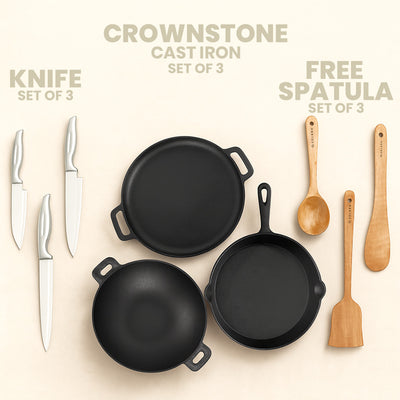
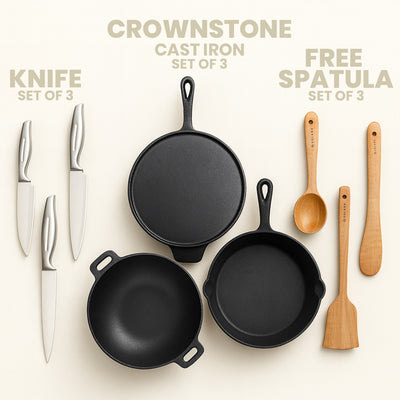

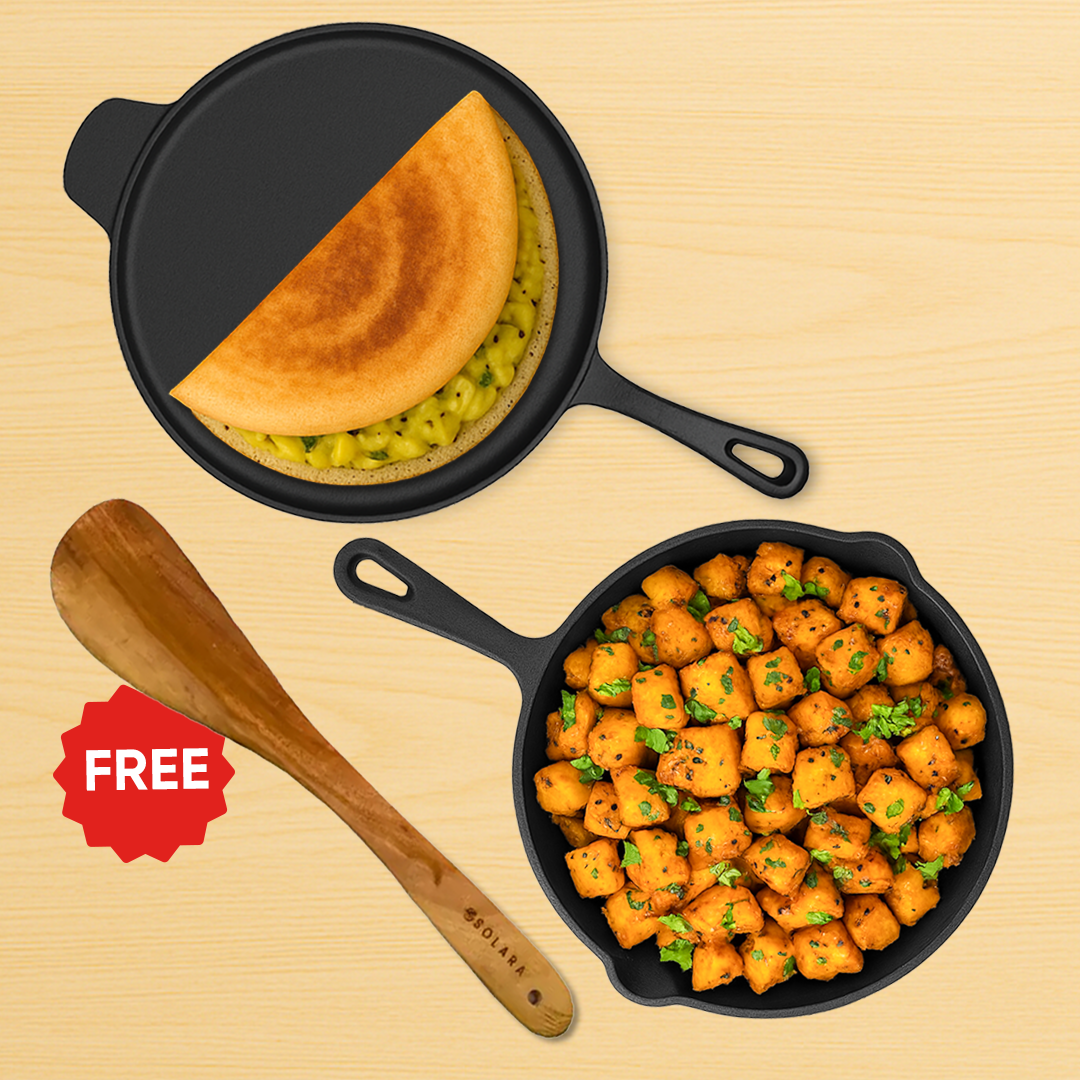
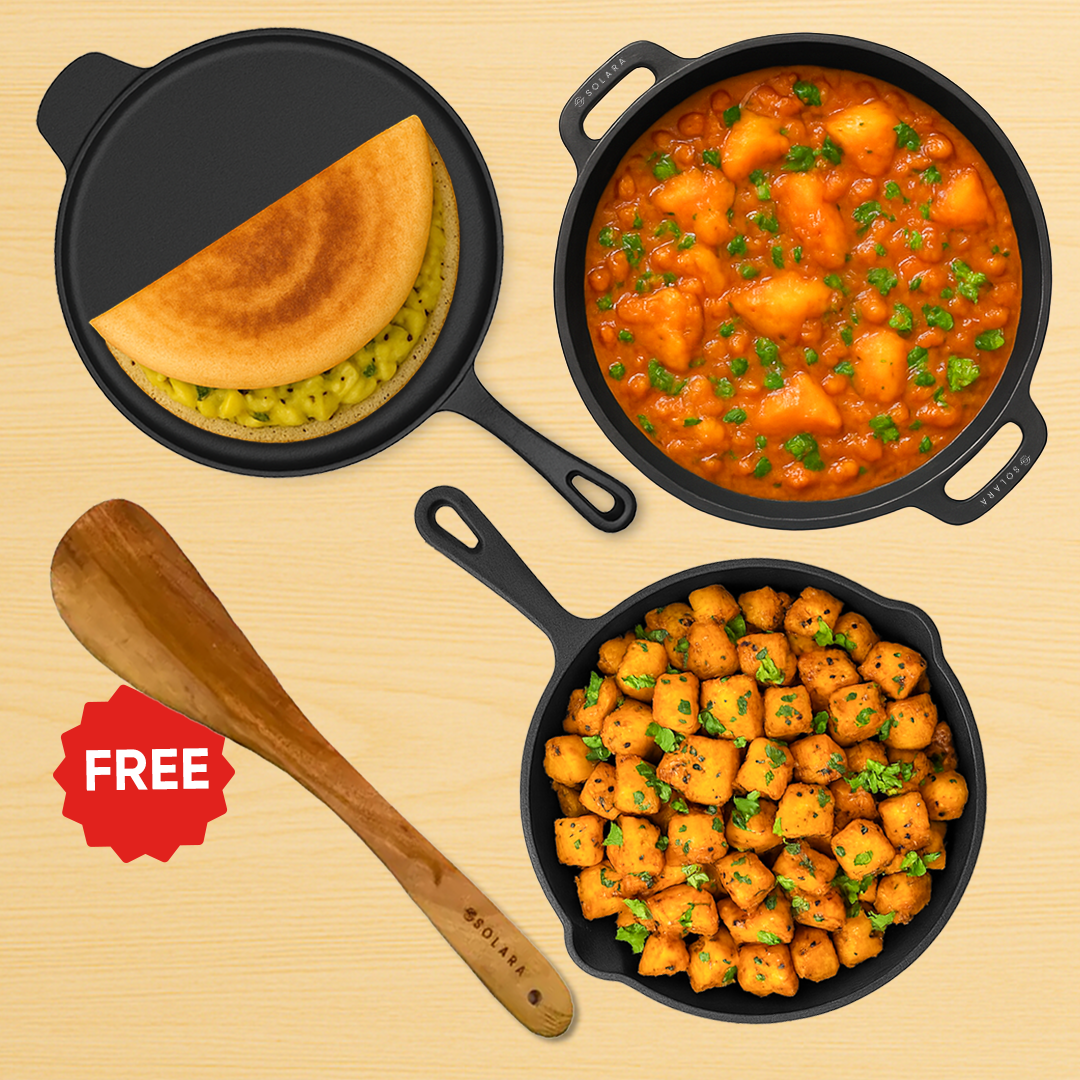


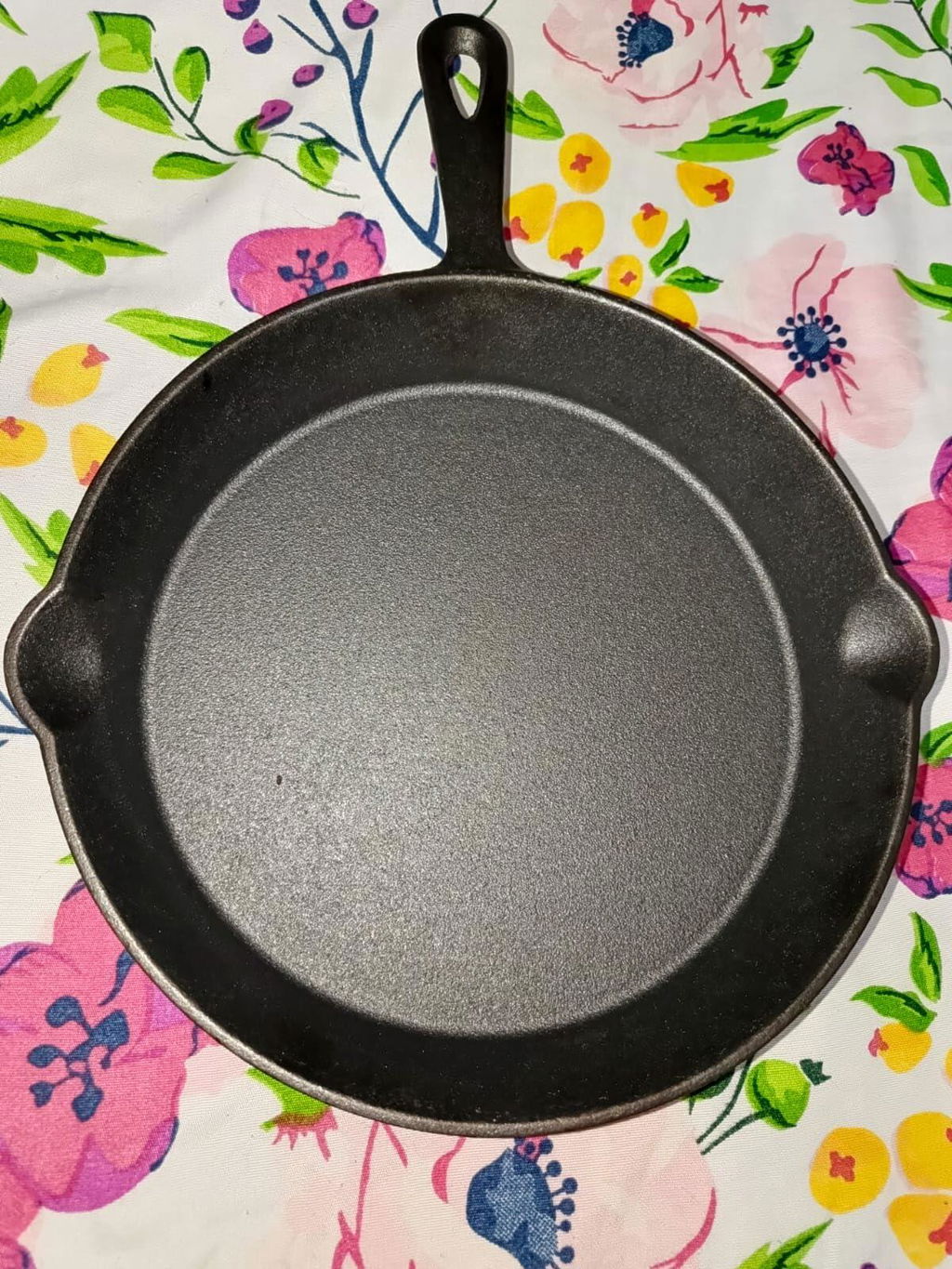
CrownStone Cast Iron Fry Pan

100% Natural & Toxin-Free

Adds Iron to Food

Naturally Non-stick

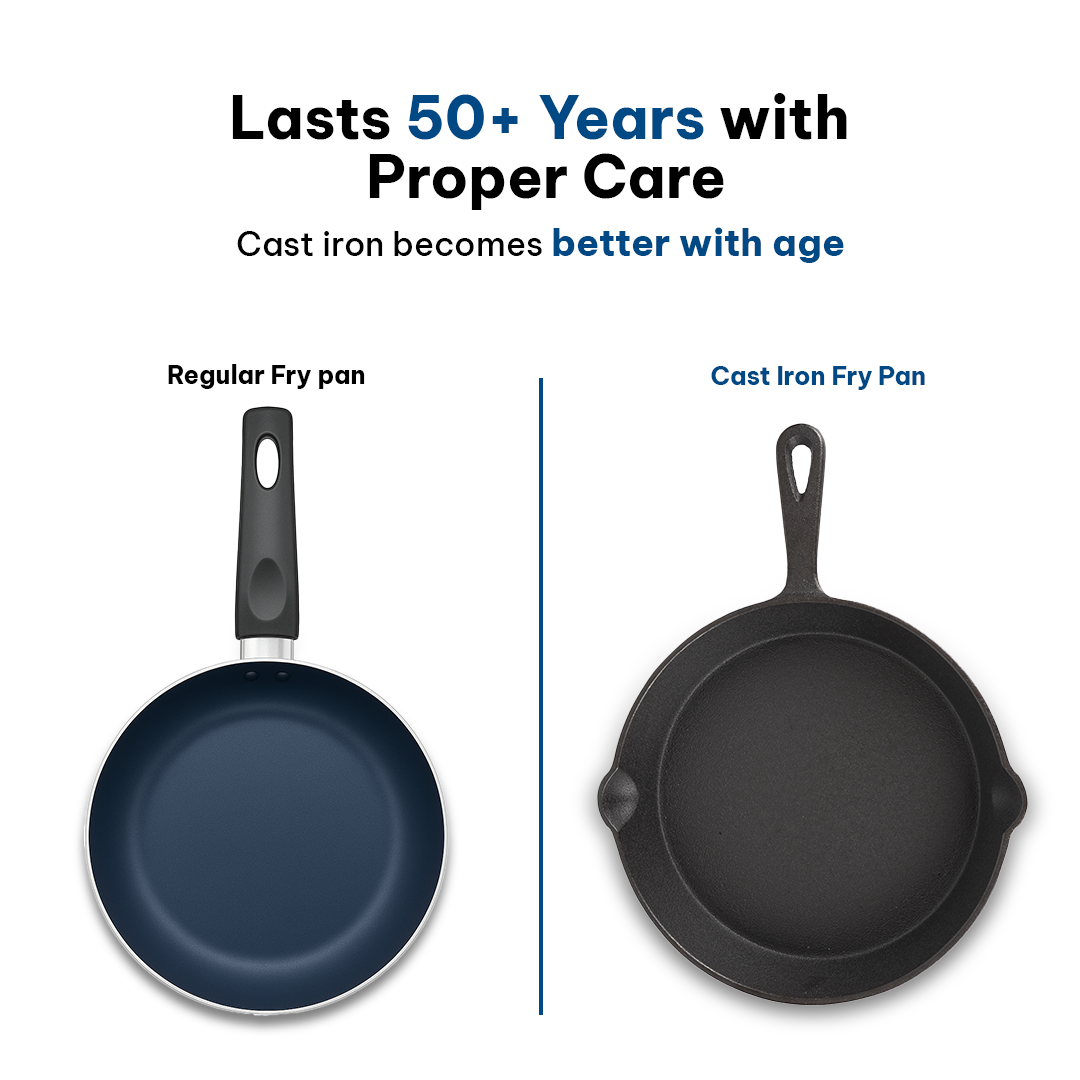
Last For Generations


India’s Silent
Deficiency - Iron
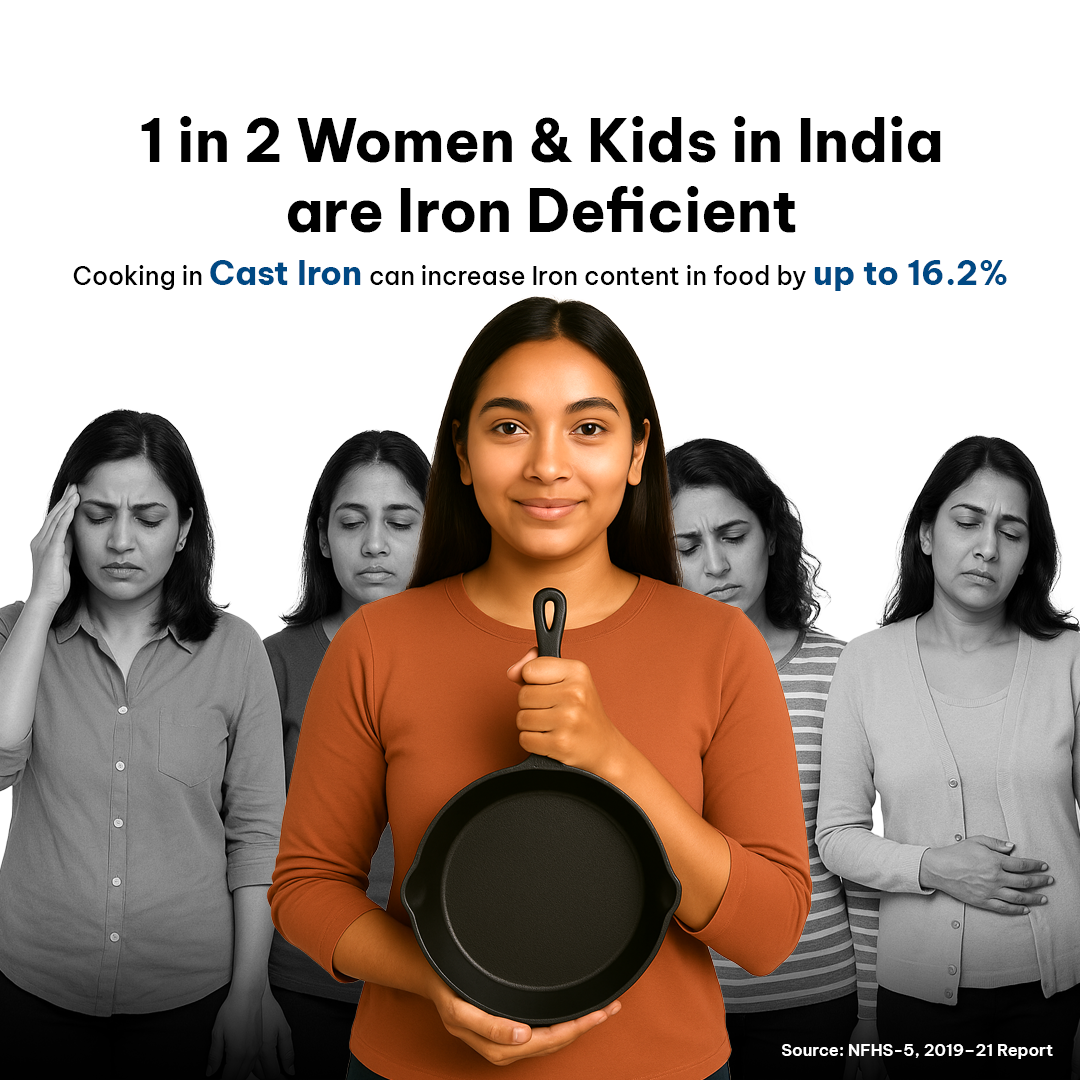
Most Indians do not meet the average recommended iron intake through their daily diet, leading to widespread iron deficiency across all age groups
Source : Ministry of Health and Family Welfare

In General, Veg Diets often lack Enough Iron.
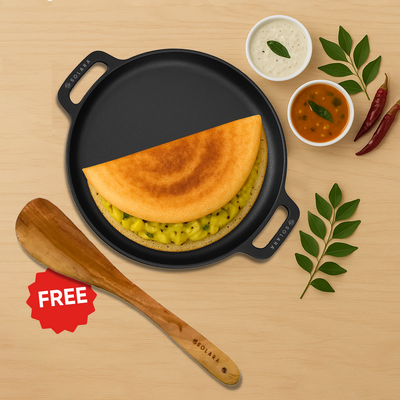
Everyday Indian foods like chapathi, dosa, and cheela often lack enough iron, leading to deficiency in all age groups.
But here’s the game changer

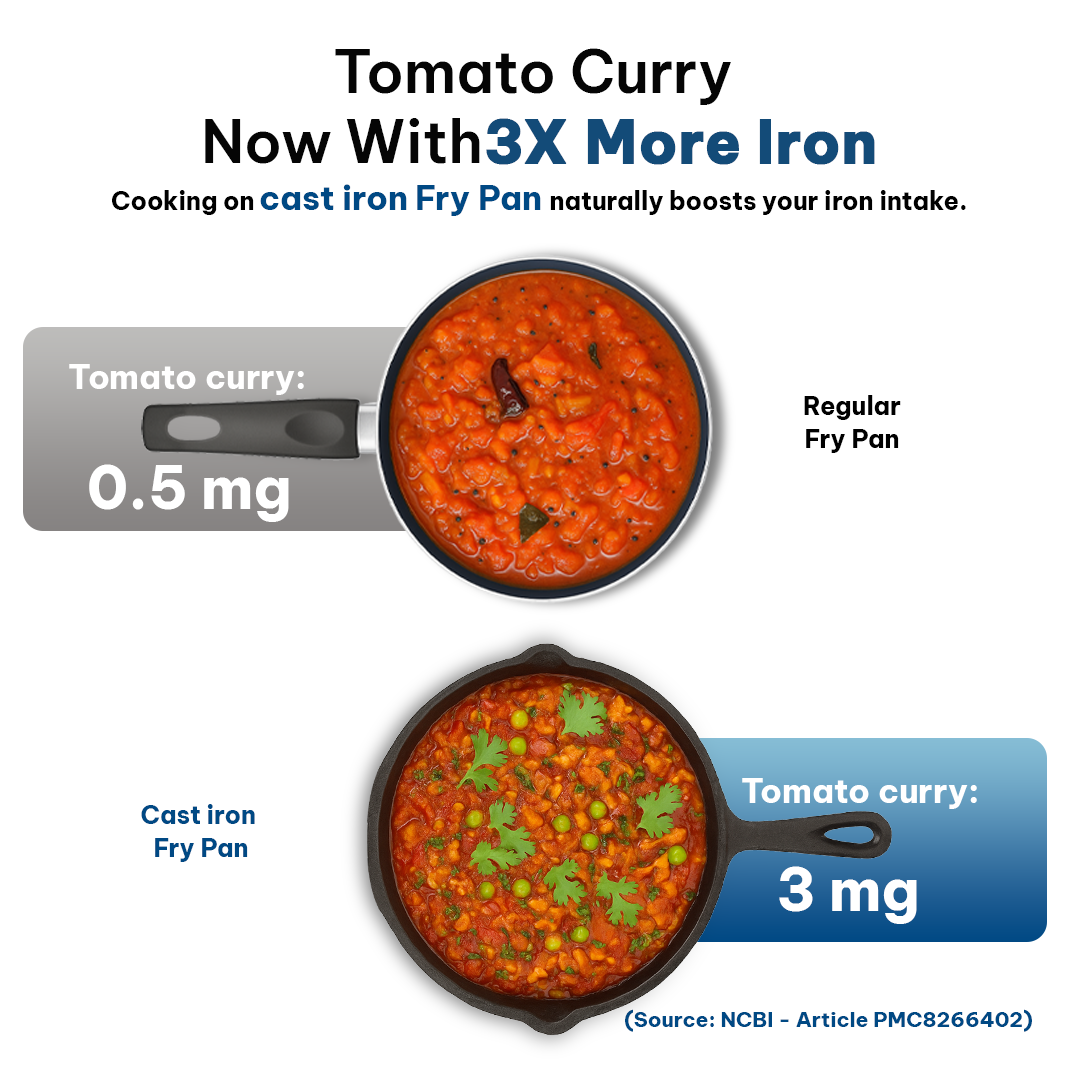
A study in the Journal of the American Dietetic Association found that cooking food in cast iron increased iron content from 0.6 mg to 5.7 mg per serving
Source: American Dietetic Association

"Fatigue and low productivity in adults Poor growth and learning in children Higher risk of death in mothers and infants A silent burden on the nation’s strength"
Source: Ministry of Health and Family Welfare

"Cast iron cookware boosts iron intake 3X more than regular pans Helping fight fatigue, improve health, and support a happier, stronger life"
Source: Ministry of Health and Family Welfare
Story Doesn't End Here
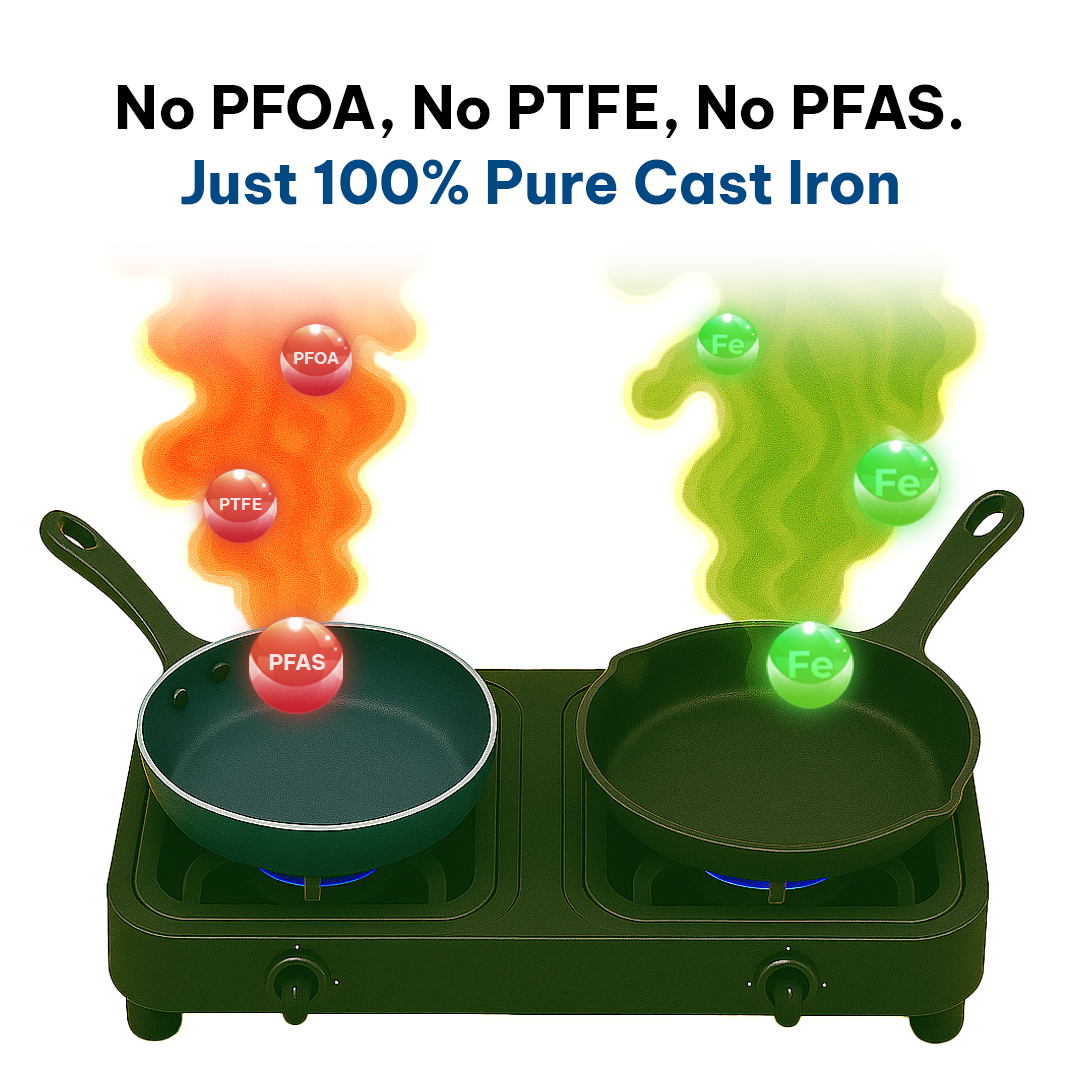
No PFAS, No PFOA, Just Pure Cast Iron

100% Chemical Free
Cooking with Cast Iron
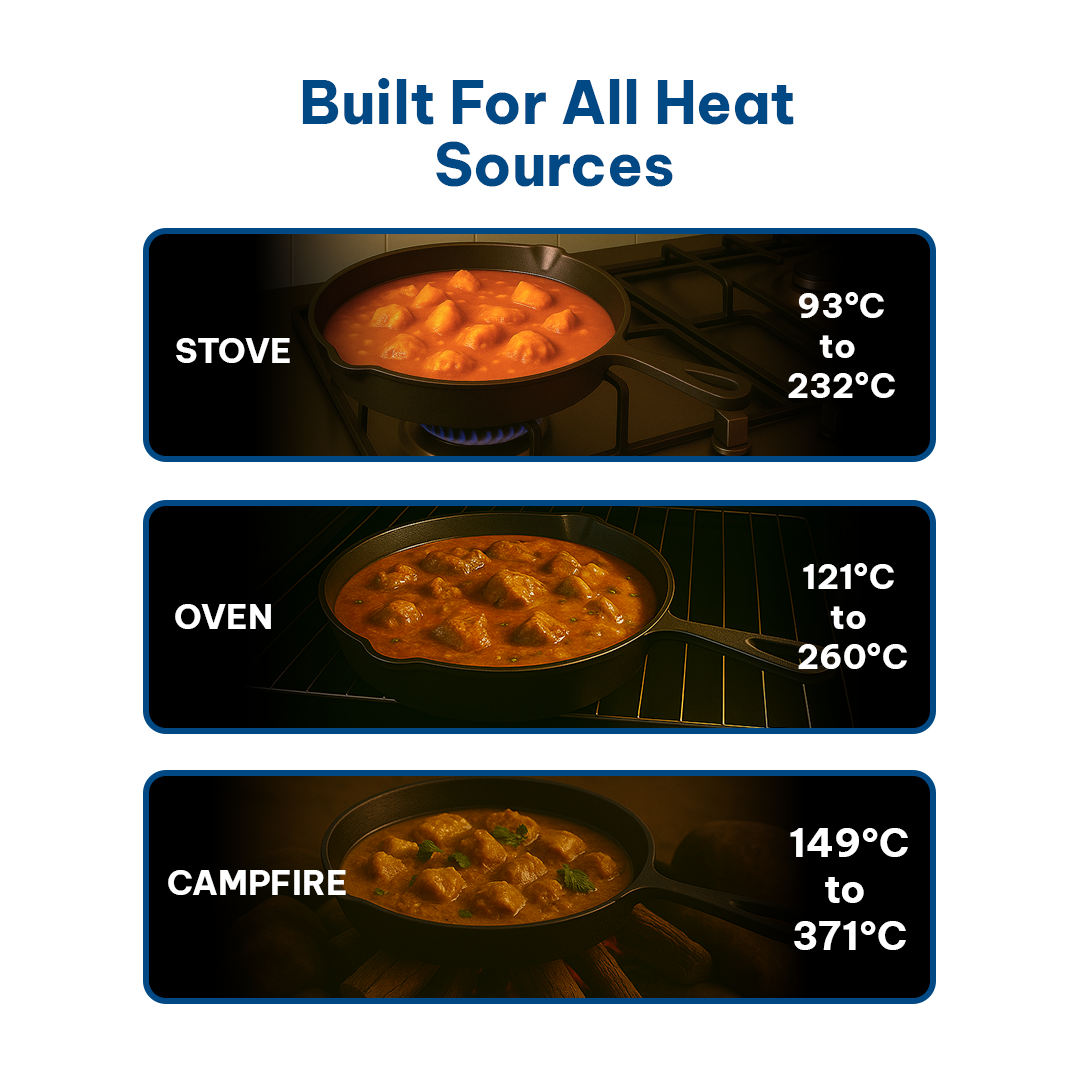
Cast iron cookware has been a trusted kitchen essential for centuries. 100% chemical-free, uncoated, and safe at any temperature — cast iron provides pure, durable cooking for you and your family
Buyer's guide
Cast Iron Fry Pan — Sizes and Everyday Use
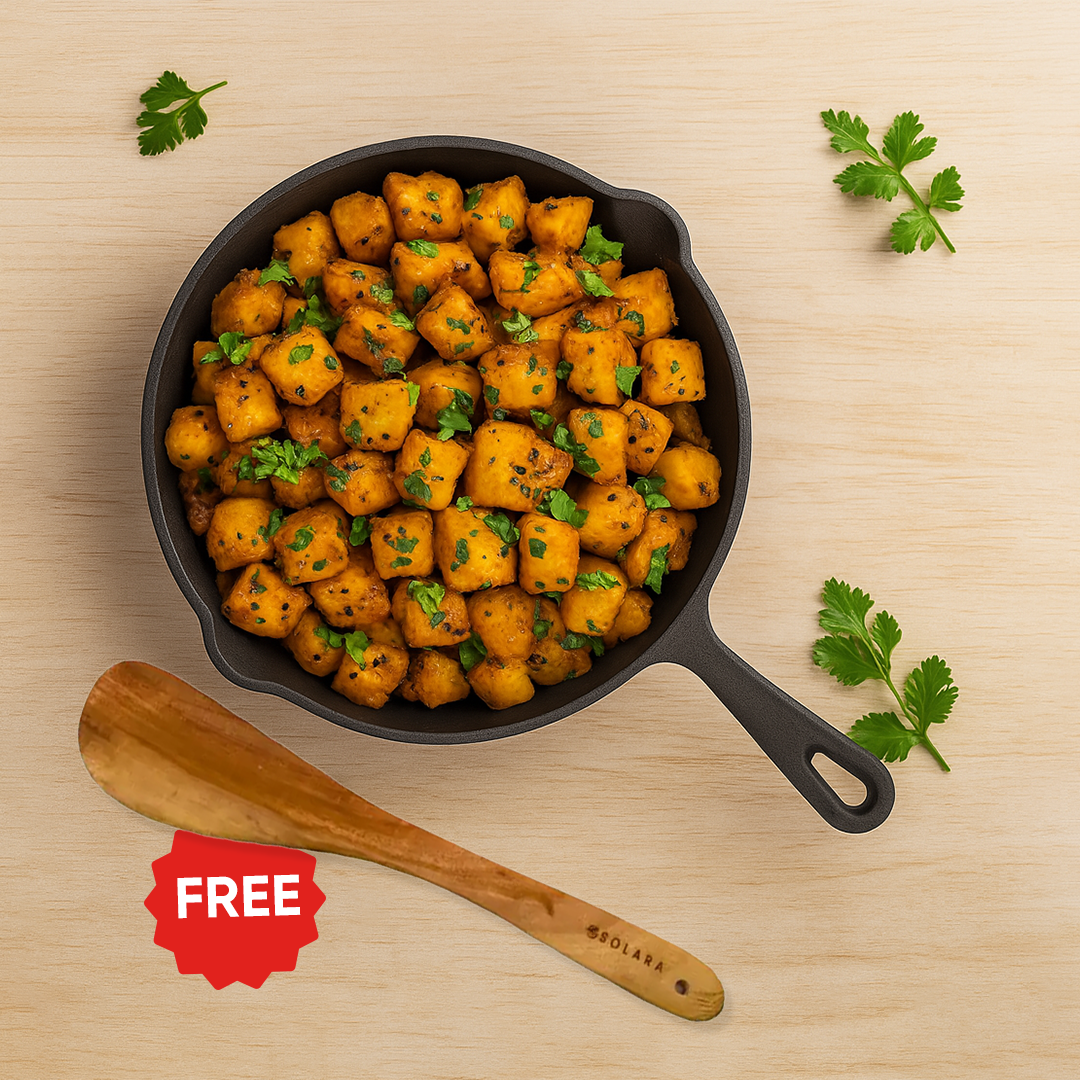
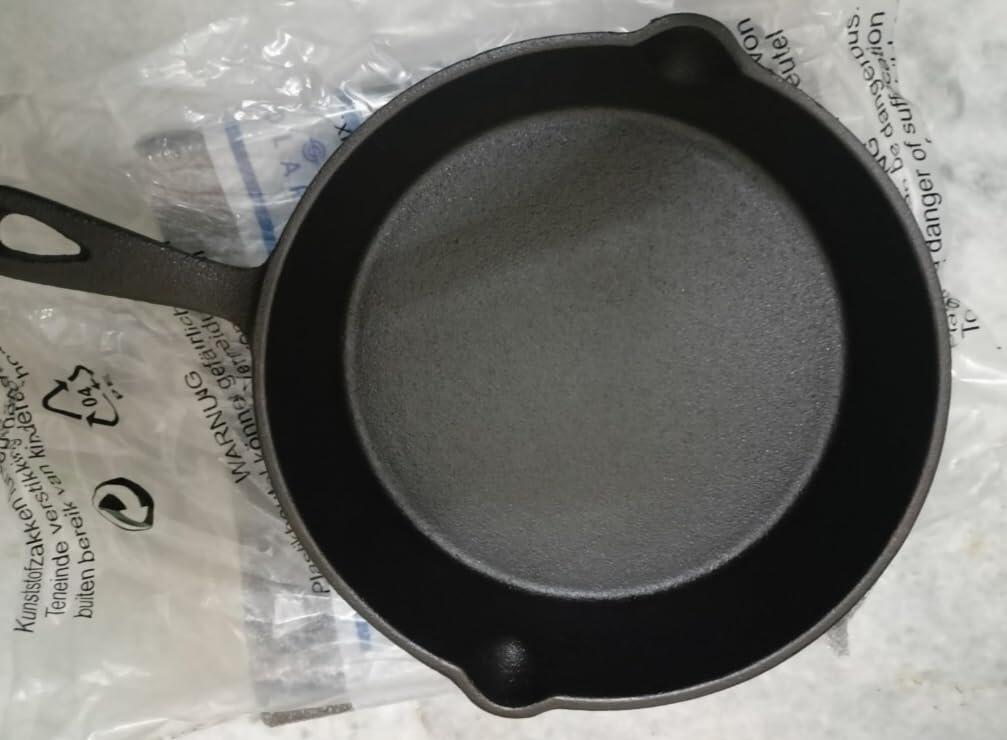
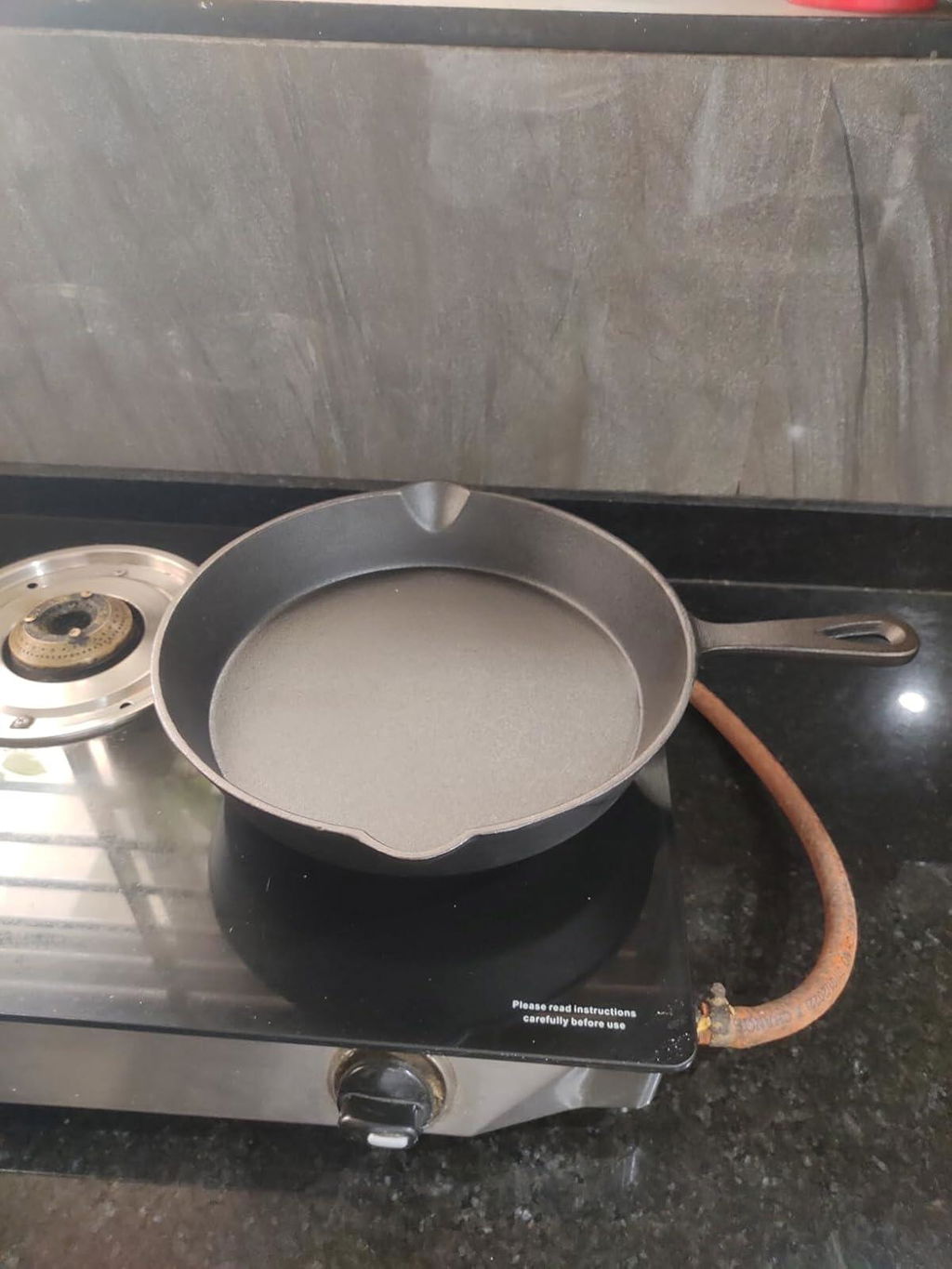
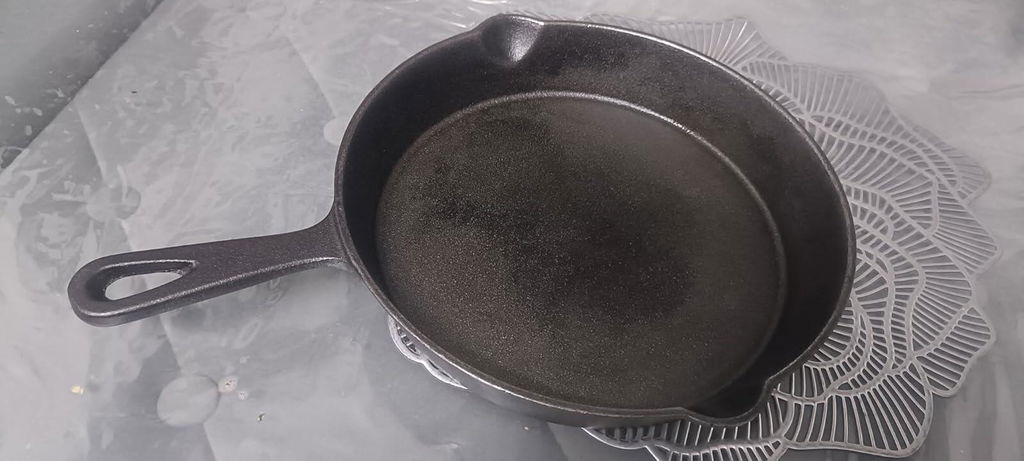
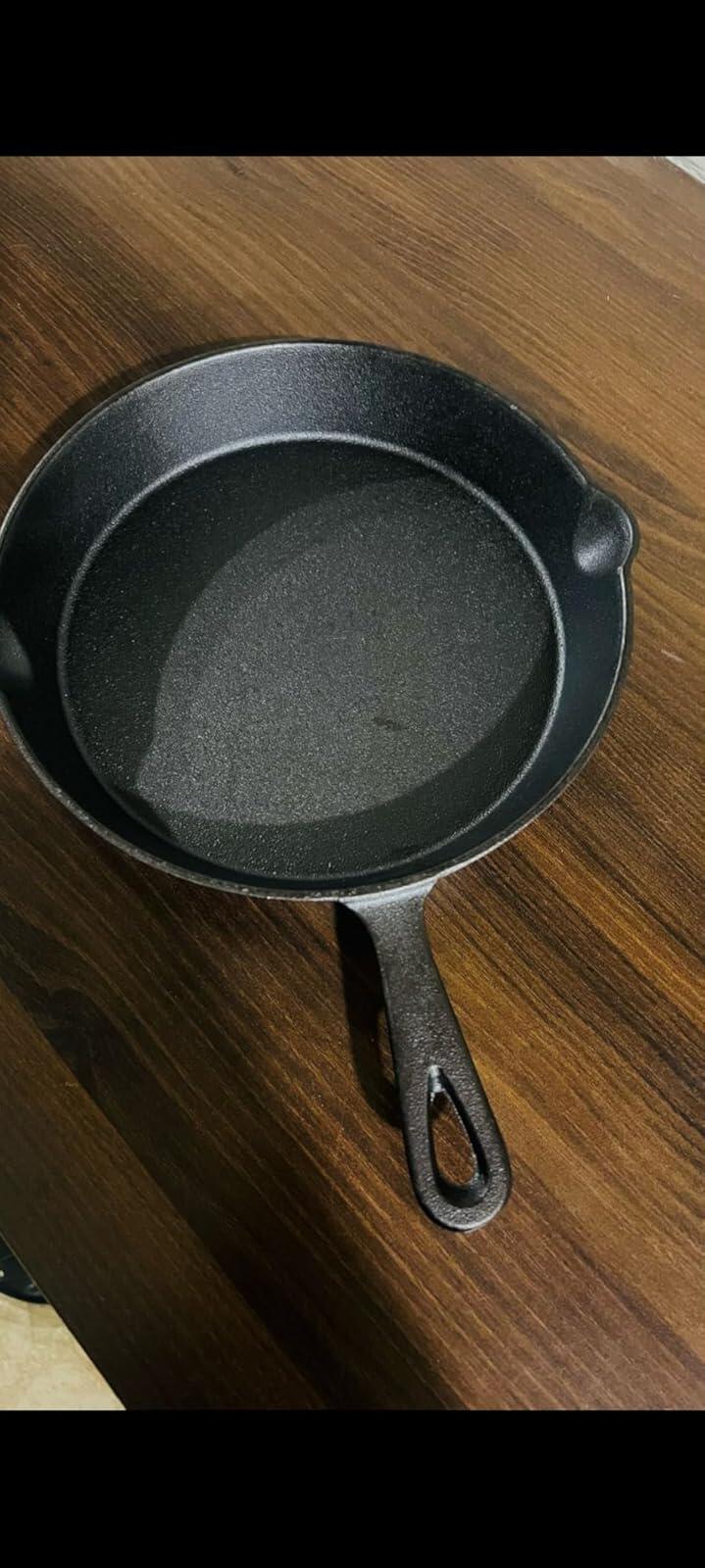
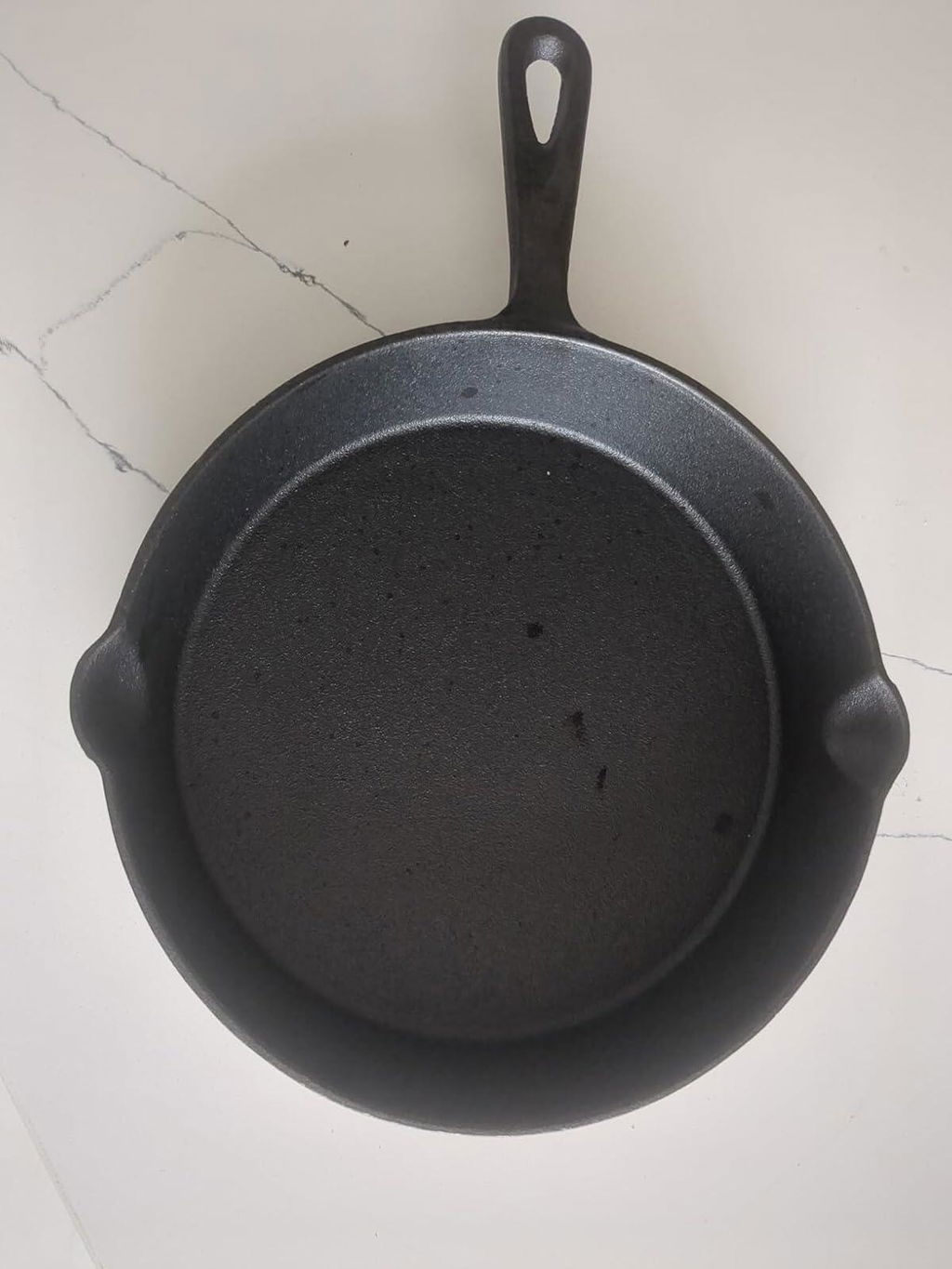
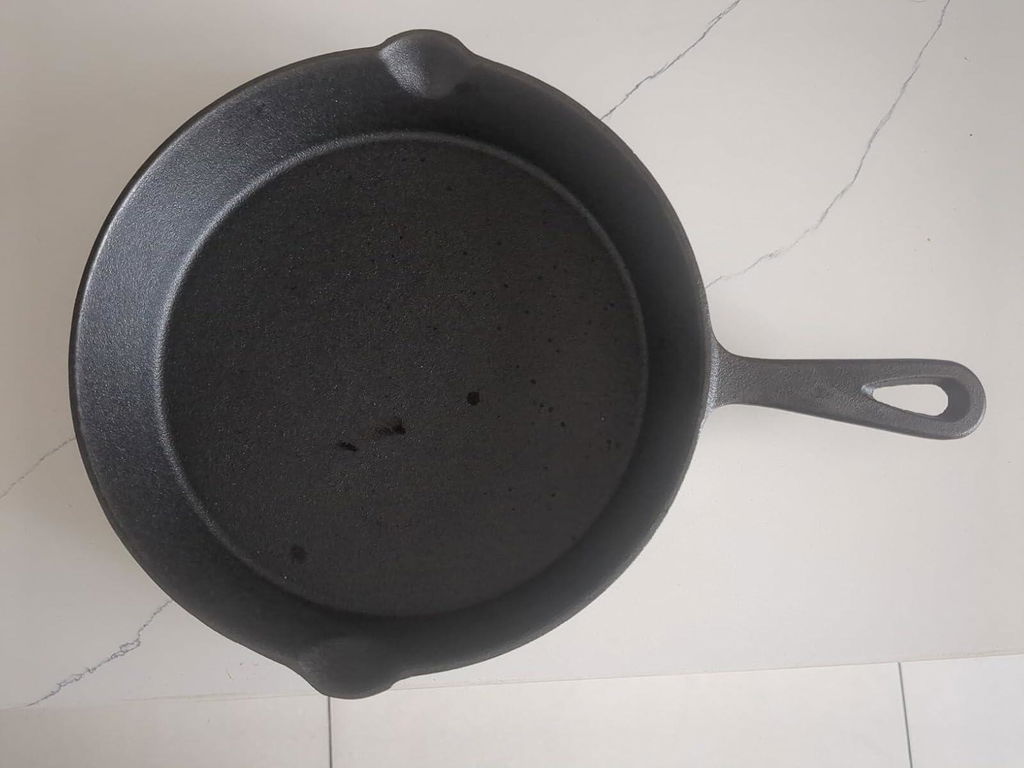
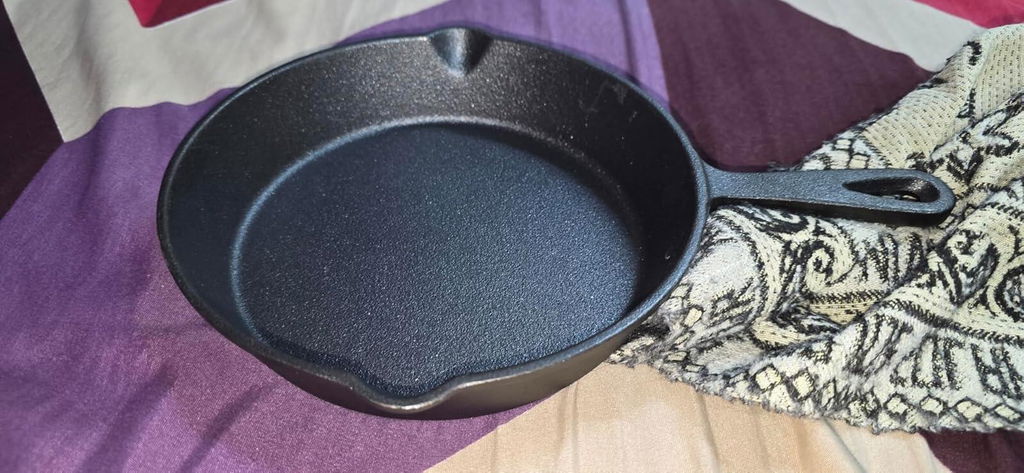
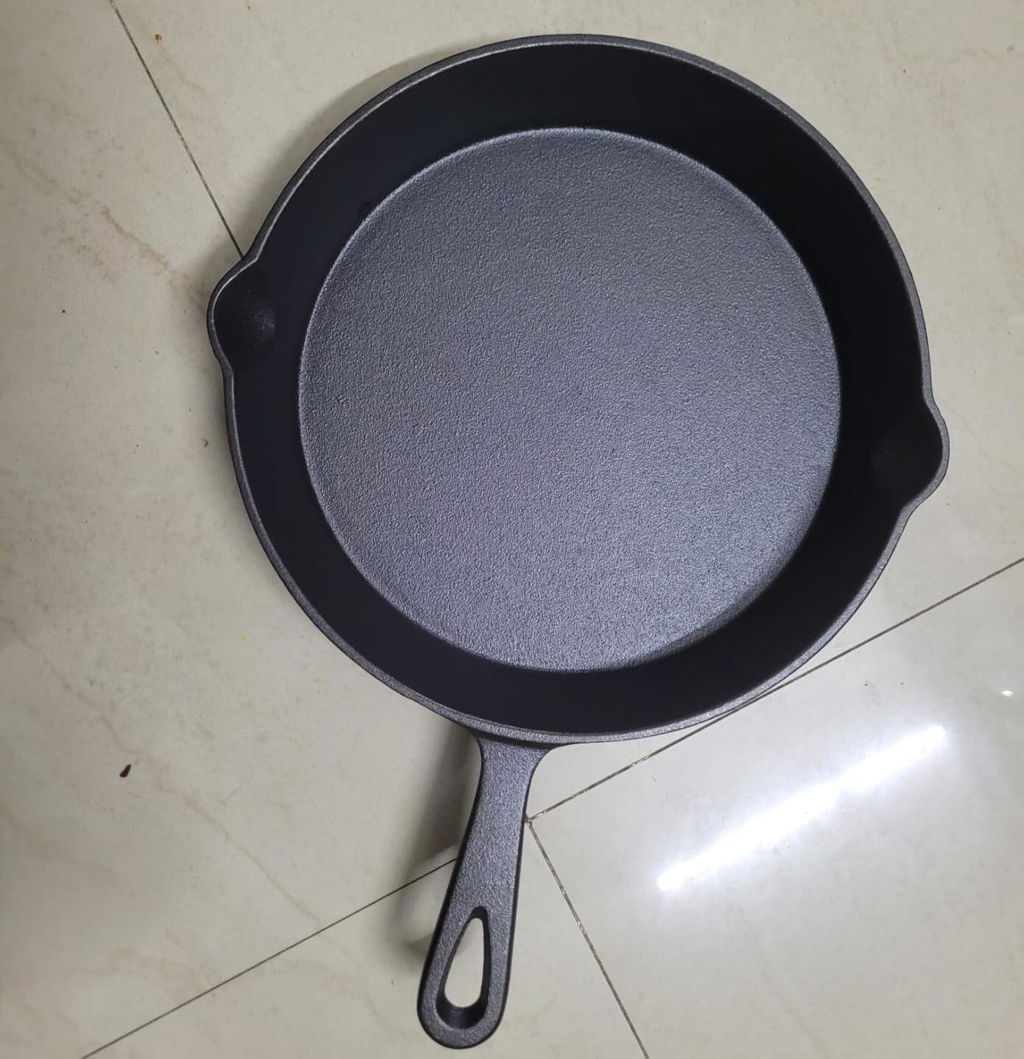
A cast iron fry pan (or skillet) is the everyday workhorse: eggs, omelettes, shallow frying, searing, tadka, even a single dosa. It is pure iron with no chemical coating — the non-stick comes from seasoning you build yourself, and it improves rather than degrades with use.
Which size?
| Size | Best for |
|---|---|
| 8 inch | Eggs, omelettes, tadka, single portions — light enough to handle one-handed |
| 10 inch | The all-rounder: shallow frying, searing, sabzi for 2–4 |
| 12 inch | Family portions, batch frying, anything you want spread in a single layer |
Most kitchens are best served by a 10 inch as the first pan, adding an 8 inch later for eggs.
Getting a genuinely non-stick surface
Cast iron sticks for one reason more than any other: the pan was not hot enough. Preheat on medium for two to three minutes, add oil, let it shimmer, then add food. Food releases when it is ready — if it grips, give it another thirty seconds rather than forcing it.
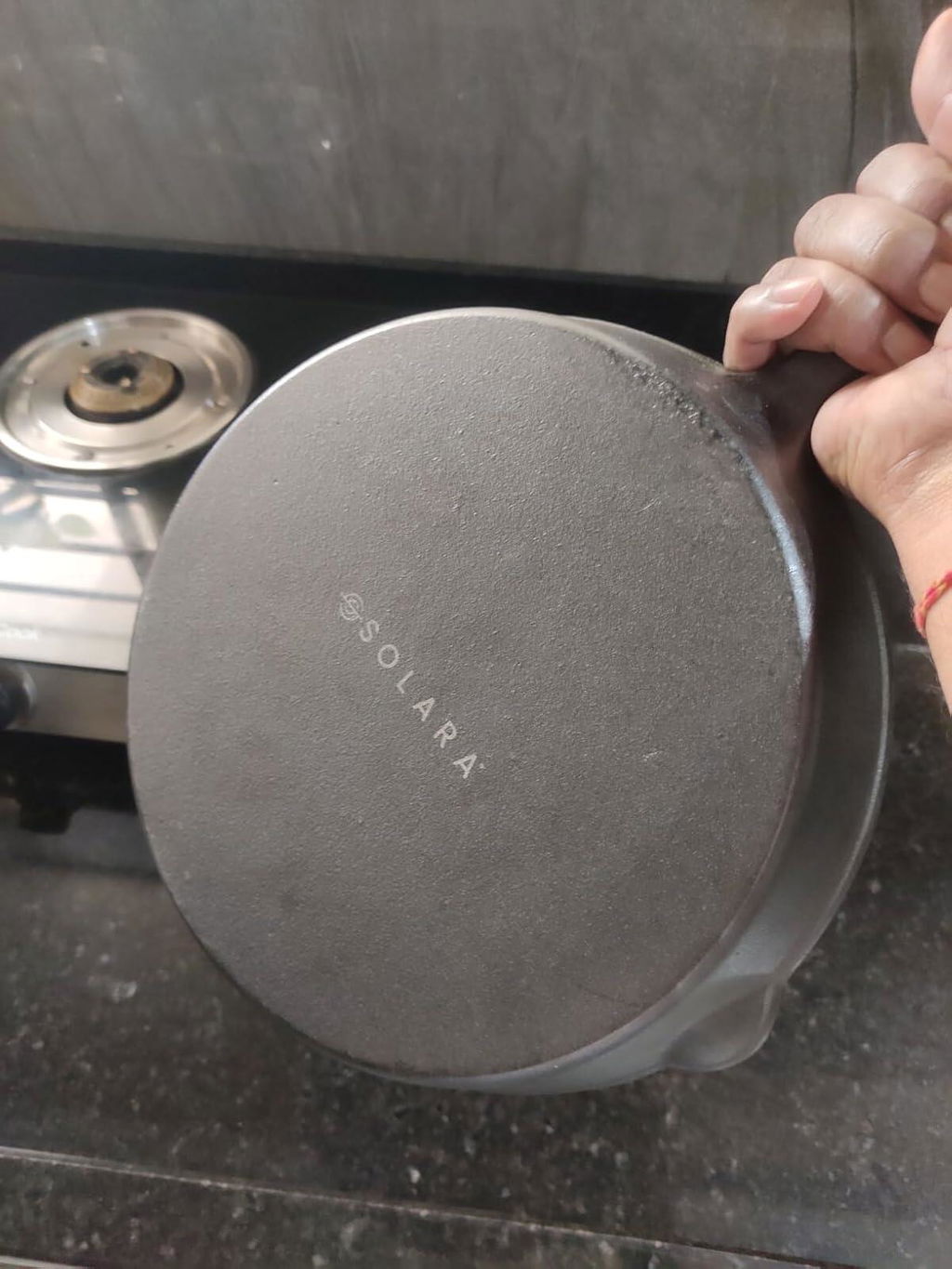
SOLARA pans arrive pre-seasoned. To deepen it, cook fatty foods early and wipe a thin oil film over the surface after each wash. Full method in how to season cast iron.
Care that actually matters
- Dry it immediately after washing — water is what rusts iron, not soap.
- Deglaze while warm with hot water instead of soaking.
- Oil before storing, and store somewhere dry.
- Rust wipes back — scrub, dry, re-season. See keeping cast iron rust-free.
Common questions
Does it work on induction? Yes — on induction, gas and chulha. Raise induction power in stages.
Cast iron or non-stick? Non-stick is easier on day one; cast iron is better for the next twenty years and has no coating to scratch or replace. The trade-offs are laid out in cast iron vs non-stick.
Can I use metal utensils? Yes. Unlike coated pans there is nothing to scratch through — metal spatulas actually help smooth the seasoning.