

CrownStone Enameled Cast Iron
Exclusive festive launch

CrownStone Enameled Cast Iron

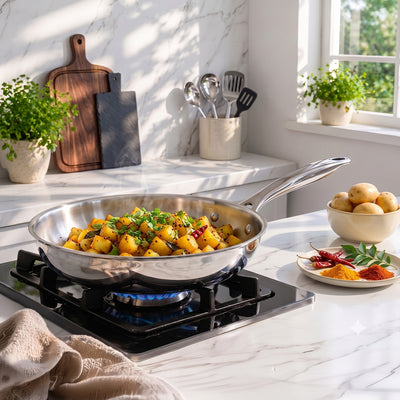
Cast iron's even heat and steady browning — without the seasoning. Never rusts, never reacts with tomato, tamarind or lemon.

Launch price going up in 00Hrs: 00Min: 00Sec

Fry Pan — pick your size

3 sizes

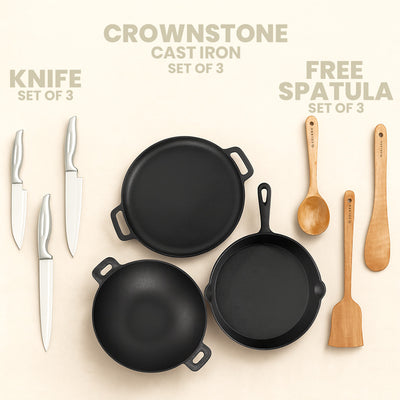
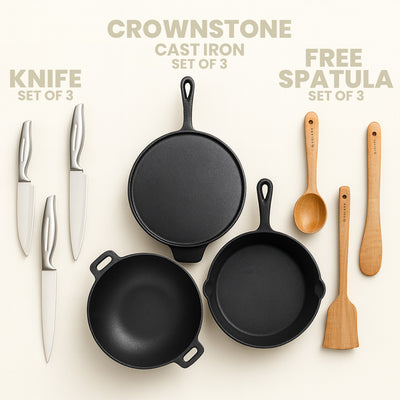
Enameled cast iron fry pans in three sizes. The 8 inch for eggs and tadka, the 10 inch as the everyday all-rounder, the 12 inch for family-size frying and searing. All work on gas and induction.

Crownstone Enameled Cast Iron Fry Pan – 8 inch / 20 cmSave Rs. 1,750
8 inch / 20 cm Fry Pan · enameled cast iron
  • Gas + induction
  • No seasoning
  • Will not rust
Eggs, tadka and single portions. Cooks for 1–2. Rs. 1,999Rs. 3,749
View full details
Crownstone Enameled Cast Iron Fry Pan – 10 inch / 26 cmSave Rs. 750
10 inch / 26 cm Fry Pan · enameled cast iron
  • Gas + induction
  • No seasoning
  • Will not rust
The everyday all-rounder. Cooks for 2–3. Rs. 2,999Rs. 3,749
View full details
Crownstone Enameled Cast Iron Fry Pan – 12 inch / 30 cmSave Rs. 250
12 inch / 30 cm Fry Pan · enameled cast iron
  • Gas + induction
  • No seasoning
  • Will not rust
Family-size frying and searing. Cooks for 4+. Rs. 3,499Rs. 3,749
View full details

Tawa — pick your style

2 styles

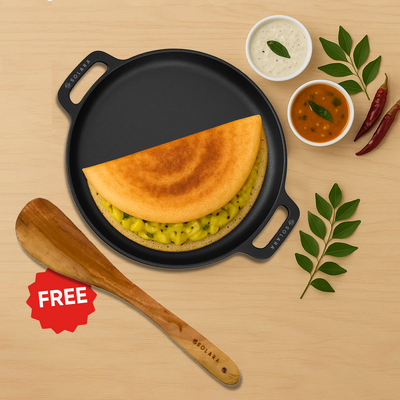
A 12 inch / 30 cm enameled cast iron tawa in two handle styles. Two loop handles for dosas, or a single long handle that is easier to lift and turn for rotis and parathas.

Crownstone Enameled Cast Iron 12"/30cm Tawa – Dosa Tawa with 2 LoopsSave Rs. 1,500
Dosa Tawa with 2 Loops Tawa · enameled cast iron
  • Gas + induction
  • No seasoning
  • Will not rust
Two loop handles, flat 12" surface for full-size dosas. Rs. 3,499Rs. 4,999
View full details
Crownstone Enameled Cast Iron 12"/30cm Tawa – Roti Tawa with HandleSave Rs. 1,500
Roti Tawa with Handle Tawa · enameled cast iron
  • Gas + induction
  • No seasoning
  • Will not rust
Single long handle — easier to lift and turn rotis. Rs. 3,499Rs. 4,999
View full details
Why enameled

Why enameled cast iron, and not bare cast iron

Bare cast iron cooks beautifully and asks a lot in return — seasoning, careful drying, and no sour food. Enamel seals the iron and removes every one of those chores, while the cast iron core underneath keeps doing the work.

No seasoning, ever

Ready to cook straight out of the box. No oiling, no curing, nothing to re-do every few weeks.

It will not rust

The enamel seals the iron completely, so there is no drying ritual and no orange patches if it sits a day.

Safe with sour food

Tomato, tamarind, lemon and kokum go straight in. No metallic edge to the taste, no damage to the surface.

Gas and induction

One pan for both hobs, so it still works if you move house or switch your kitchen over.

Why premium

Built heavy, finished to sit on your table

A thick cast iron core holds heat the way thin pans cannot, so the pan does not cool down the moment cold food lands in it. That is what gives you crisp dosa edges, an even sear and steady shallow frying. The enamel on top is fired to a smooth, glossy finish in a deep teal that is meant to be carried from hob to table, not hidden in a cupboard.

Nothing to flake or peel

Enamel is fired glass, not a sprayed coating. It is not a non-stick surface — use a little oil over medium heat and food releases cleanly, with no coating to wear off over time.

Even heat, edge to edge

Heavy cast iron spreads heat across the whole base instead of leaving a hot ring in the middle.

Easy to wash

Warm soapy water and a soft sponge. No scrubbing back to bare metal, no re-oiling afterwards.

Looks good on the table

A glossy teal finish that works as serveware, so a sizzling tawa goes straight from the hob to the middle of the table.

Why SOLARA

One of India’s most-reviewed cast iron ranges

SOLARA has been building cast iron for Indian kitchens for years — tawas, kadais, paniyaram pans and skillets — and the enameled range is the newest addition to it.

4.7/5average cast iron rating
1,600+verified cast iron reviews
23cast iron pieces in the range
Buying guide

Which size and which style to pick

Two decisions: how big the fry pan needs to be, and which tawa handle suits the way you cook.

PieceBest forCooks for
Fry pan 8″ / 20 cmEggs, omelettes, tadka, roasting spices, a single fillet1–2 people
Fry pan 10″ / 26 cmThe everyday pan — sabzi, paneer, shallow frying, sautéing2–3 people
Fry pan 12″ / 30 cmFamily-size shallow frying, searing, one-pan meals4+ people
Dosa tawa, two loopsFull-size dosas and uttapam; flat surface, easy to grip with both handsEveryday breakfast
Roti tawa, long handleRotis, parathas and phulkas; lift and turn with one handEveryday breads

Still deciding between enameled and bare cast iron?

Enameled cast ironBare cast iron
SeasoningNever neededNeeded, and repeated
RustWill not rustRusts if left damp
Sour foodSafeReacts with acidic food
WashingSoap and spongeAvoid soap, dry and oil after
Heat retentionSame cast iron coreSame cast iron core
Natural patina over timeNo — the finish stays as boughtYes, builds with use
Recipes

What to cook in it first

Enamel takes a little oil and medium heat. Let the pan warm through before food goes in — that one habit does most of the work.

Tawa

Masala dosa

Heat the tawa on medium until a drop of water skitters. Wipe with oil, pour and spread. The heavy base keeps the temperature steady so the edges crisp instead of steaming.

Tawa

Paneer tikka

Marinate, then sear on a hot tawa with a little oil. Enamel is safe with the lemon and curd in the marinade, which bare cast iron is not.

8″ fry pan

Tadka that actually blooms

The small pan comes up to temperature fast and holds it, so mustard seeds pop and curry leaves crackle instead of sitting in cooling oil.

12″ fry pan

Pan-seared fish

Dry the fillet, oil the pan, lay it skin-side down and leave it alone. A heavy base does not drop temperature when cold fish lands on it.

FAQs

Enameled cast iron — frequently asked questions

What is enameled cast iron?

It is cast iron with a layer of glass enamel fused onto the surface. You keep what cast iron does best — even heat, steady browning, crisp edges — without the bare-iron upkeep. The enamel seals the metal, so the pan never needs seasoning and will not rust.

Is enameled cast iron non-stick?

No, and that is deliberate. Enamel is fired glass, not a sprayed non-stick coating, so there is nothing that can flake or wear off. Use a little oil over medium heat and food releases cleanly. Let the pan warm through before food goes in — that single habit does most of the work.

Does it need seasoning?

Never. It is ready to cook with out of the box and stays that way. No oiling, no curing, no re-seasoning.

Can I cook tomato, tamarind or lemon in it?

Yes. Enamel does not react with acidic food, so sour gravies, tamarind curries, kokum and lemon dishes are all fine. Bare cast iron reacts with these; enameled cast iron does not.

Which fry pan size should I buy?

The 8 inch / 20 cm suits eggs, tadka and single portions. The 10 inch / 26 cm is the everyday all-rounder for two to three people. The 12 inch / 30 cm handles family-size shallow frying and searing.

Dosa tawa or roti tawa — what is the difference?

Both are 12 inch / 30 cm. The dosa tawa has two loop handles and a flat surface with room for a full-size dosa. The roti tawa has a single long handle, which is easier to lift and turn for rotis and parathas.

How do I clean and care for it?

Let the pan cool, then wash with warm soapy water and a soft sponge and dry it. Cook on low to medium heat and avoid abrasive scourers or metal scrapers, and the finish will last for years.

Does it work on induction?

Yes. Every CrownStone enameled cast iron tawa and fry pan works on gas and induction.

Is it heavy?

It is cast iron, so yes — and that weight is the point. A heavy base holds temperature when cold food goes in, which is what gives you a proper sear instead of steaming. The roti tawa's long handle makes lifting easier if that matters to you.

How is it different from SOLARA's BlackForge and CrownStone bare cast iron?

Same cast iron core and the same heat behaviour. The difference is the surface: bare cast iron builds a natural patina with use and needs seasoning and careful drying, while enameled cast iron arrives finished and needs neither. Pick bare if you want the traditional patina, enameled if you want it maintenance-free.