










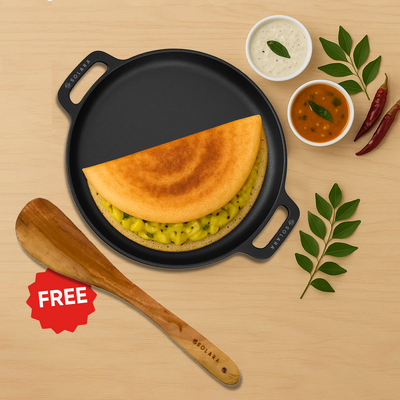


Cast Iron Kadai

100% Natural & Toxin-Free

Adds Iron to Food

Naturally Non-stick

Last For Generations
Free Shipping; No Cost EMI Available at Checkout
Free Shipping
 You are buying
Cast Iron Kadai
What is your old pan made of?
Any brand, any cookware.
How is its condition?
Check scratches, dents and handles. Pick the closest match.
Keep your old pan clean and ready on delivery day. Our delivery partner checks it and collects it when handing over your order.

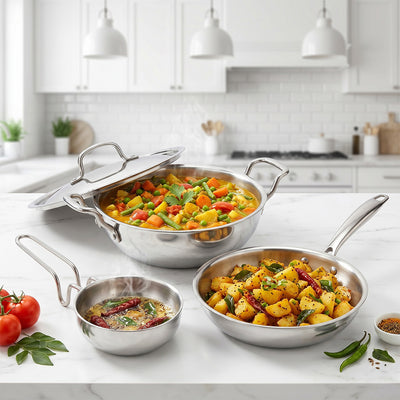
Complete your cast iron kitchen
 Top pick
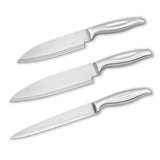

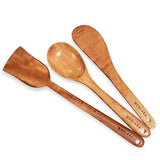
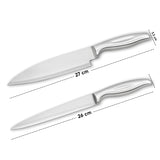
Build Your Own Cookware Combo & Save up to 12%
Add this to any other cookware — cast iron, triply or ceramic. The more pieces you add, the bigger the discount.
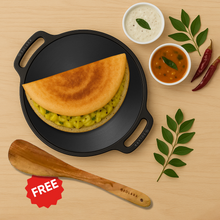
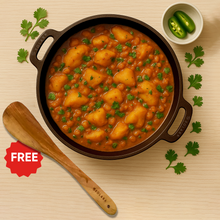
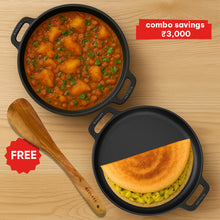
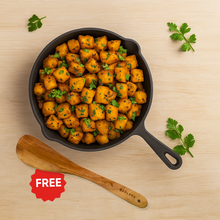
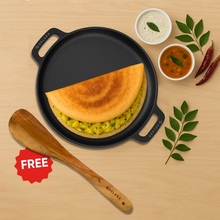
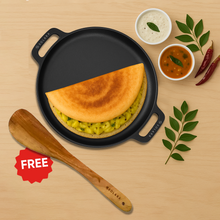
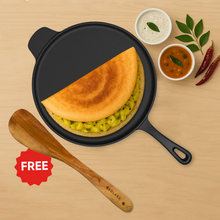
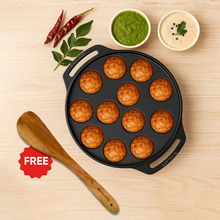
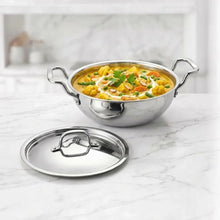
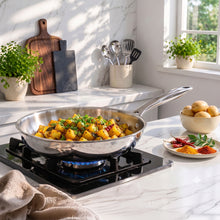
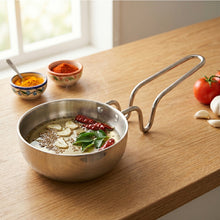
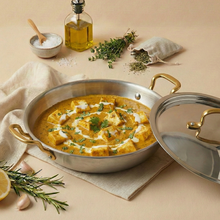
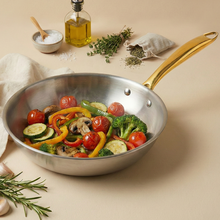
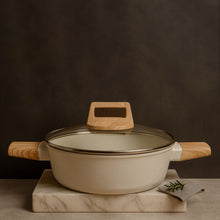
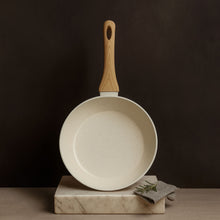
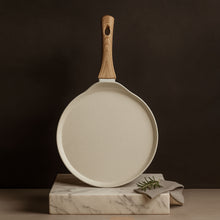
⚡ Most shoppers pick 3 pieces and save 10%
Discount applies automatically at checkout · no code needed · add-ons don’t count toward the tier


India’s Silent Deficiency: Iron
Most Indians do not meet the recommended daily iron intake through their diet, leading to widespread iron deficiency across all age groups.
Source : Ministry of Health and Family Welfare

In General, Veg Diets Often Lack Enough Iron
Everyday Indian foods like chapati, dosa, and cheela often lack sufficient iron, leading to deficiencies across all age groups.
But here’s the game changer

Boost Iron Content by 3–5mg per Meal
A study published in the Journal of the American Dietetic Association found that cooking food in cast iron increased its iron content from 0.6 mg to 5.7 mg per serving.
Source: American Dietetic Association

1 in 2 Indians Struggle with Anemia
Fatigue and low productivity in adults Poor growth and learning in children Increased risk of death in mothers and infants A silent burden on the nation’s strength
Source: Ministry of Health and Family Welfare

3X More Iron, Naturally
Cast iron cookware boosts iron intake by up to 3X compared to regular pans — helping fight fatigue, improve health, and support a happier, stronger life.
Source: Ministry of Health and Family Welfare
Story Doesn't End Here
No PFAS. No PFOA. Just Pure Cast Iron

100% Chemical-Free
Cooking with Cast Iron
Cast iron cookware has been a trusted kitchen essential for centuries. It’s 100% chemical-free, uncoated, and safe at any temperature—offering pure, durable cooking for you and your family.
Buyer's guide
Cast Iron Kadai — How to Choose One
A cast iron kadai is the deep-frying and curry vessel that holds its temperature when food goes in. That single property is why puris puff instead of soaking, why onions brown instead of sweating, and why a cast iron kadai is worth its weight over thin steel or coated alternatives. It is 100% pure iron with no chemical non-stick coating.
Why heat retention matters for frying
Drop a batch of pakoras into a thin kadai and the oil temperature crashes; the food sits in cooling oil and absorbs it. Cast iron's mass means the oil recovers quickly, so you get a crisp exterior and less oil in the finished dish. The same behaviour helps with bhuna-style cooking where you want the masala to catch and brown rather than stew.
What size kadai do you need?
| Size | Suits | Typical use |
|---|---|---|
| 8 inch | 1–2 people | Tadka, single-portion sabzi, small-batch frying |
| 10 inch | 3–5 people | The everyday family default — curries, sabzi, deep frying |
| 12 inch | 5–8 people | Biryani, large batches, entertaining |
If you deep fry regularly, size up. A kadai should never be more than half full of oil, so a 10 inch kadai gives you far less usable oil depth than its diameter suggests.
Seasoning and first use
SOLARA kadais arrive pre-seasoned and are ready to cook on. The seasoning deepens fastest with fatty cooking — deep fry in it early. Avoid long-simmered tomato or tamarind dishes in the first few weeks; acid can strip a young seasoning layer. Once the surface is dark and slick, acidic cooking is fine.
Step-by-step in how to season cast iron, and the fuller picture in the cast iron kadai buyer's guide.
Care that actually matters
- Dry it fully straight after washing — standing water, not soap, is what rusts iron.
- Wipe a thin film of oil before storing, especially in humid weather.
- Do not soak it overnight. Deglaze stuck bits with hot water while the kadai is still warm.
- Rust is recoverable — scour, wash, dry, re-season. See keeping cast iron rust-free.
Common questions
Does a cast iron kadai work on induction? Yes. Iron is magnetic, so it works on induction, gas and chulha. Bring induction up in stages rather than starting at full power.
Is a cast iron kadai too heavy? It is heavier than steel, and that weight is the point. If you lift and pour frequently, a 10 inch is the practical ceiling for most people; a 12 inch is best kept on the stove.
Can I cook curry with tomato in it? Yes, once the seasoning is established. On a brand-new kadai, cook a few fatty dishes first.