







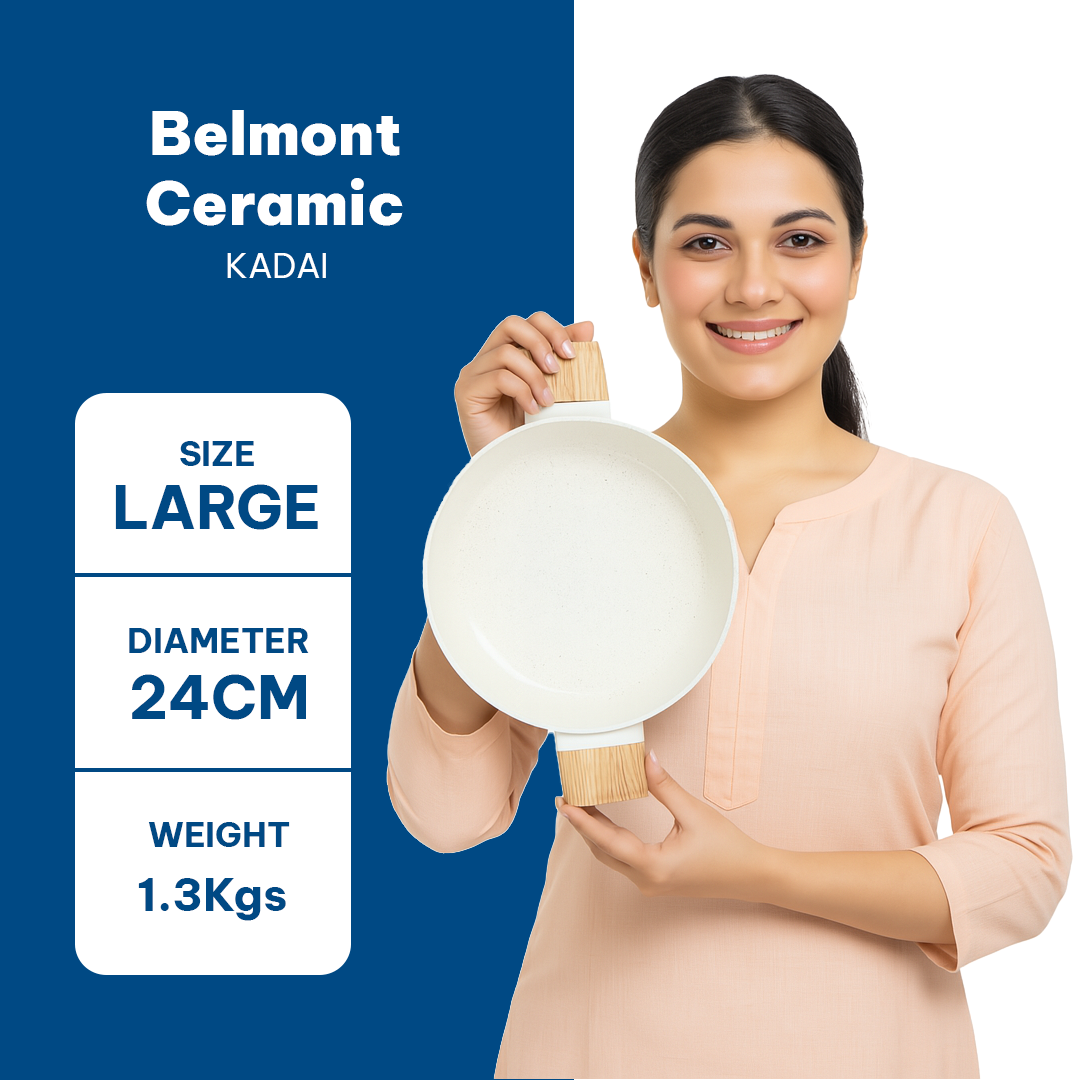
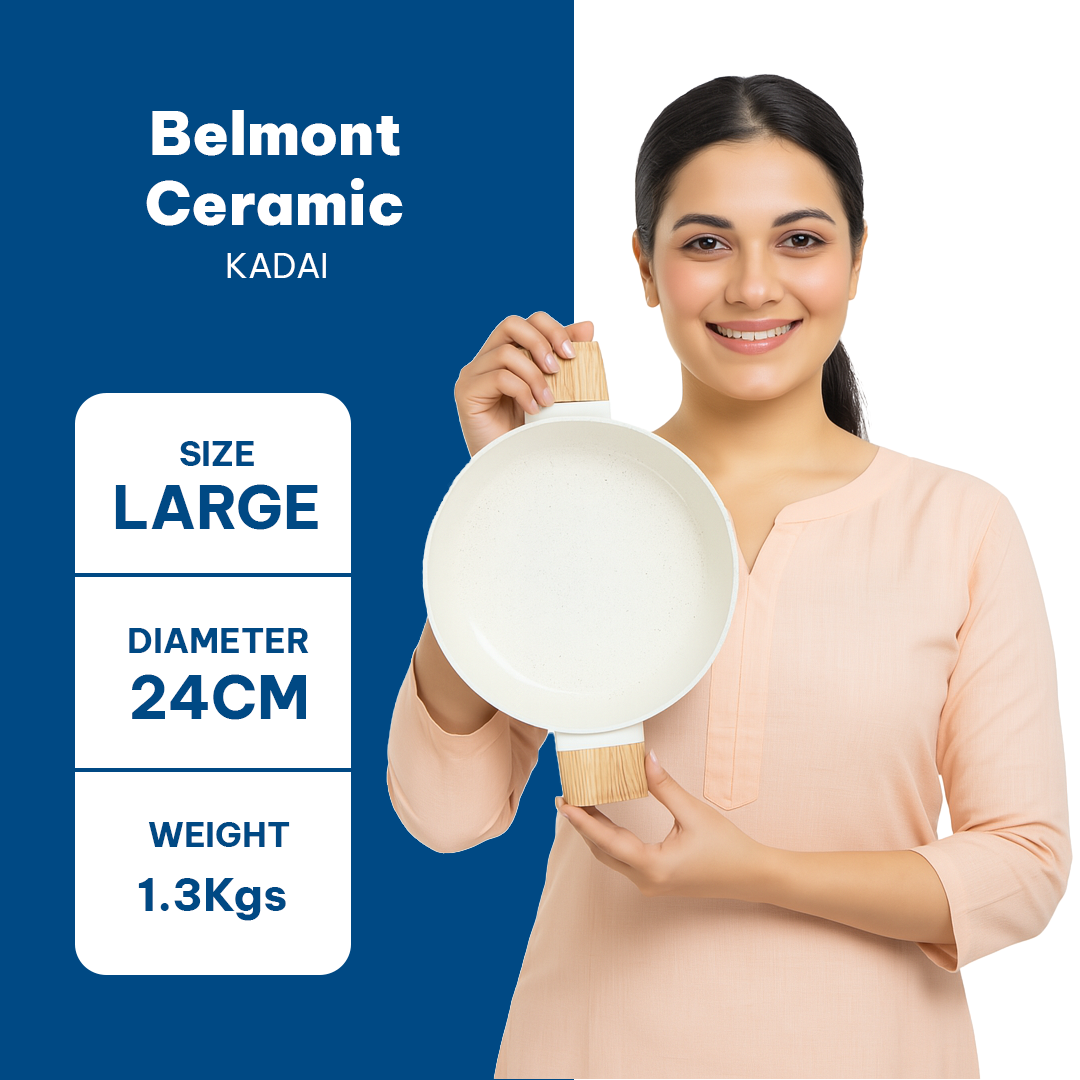
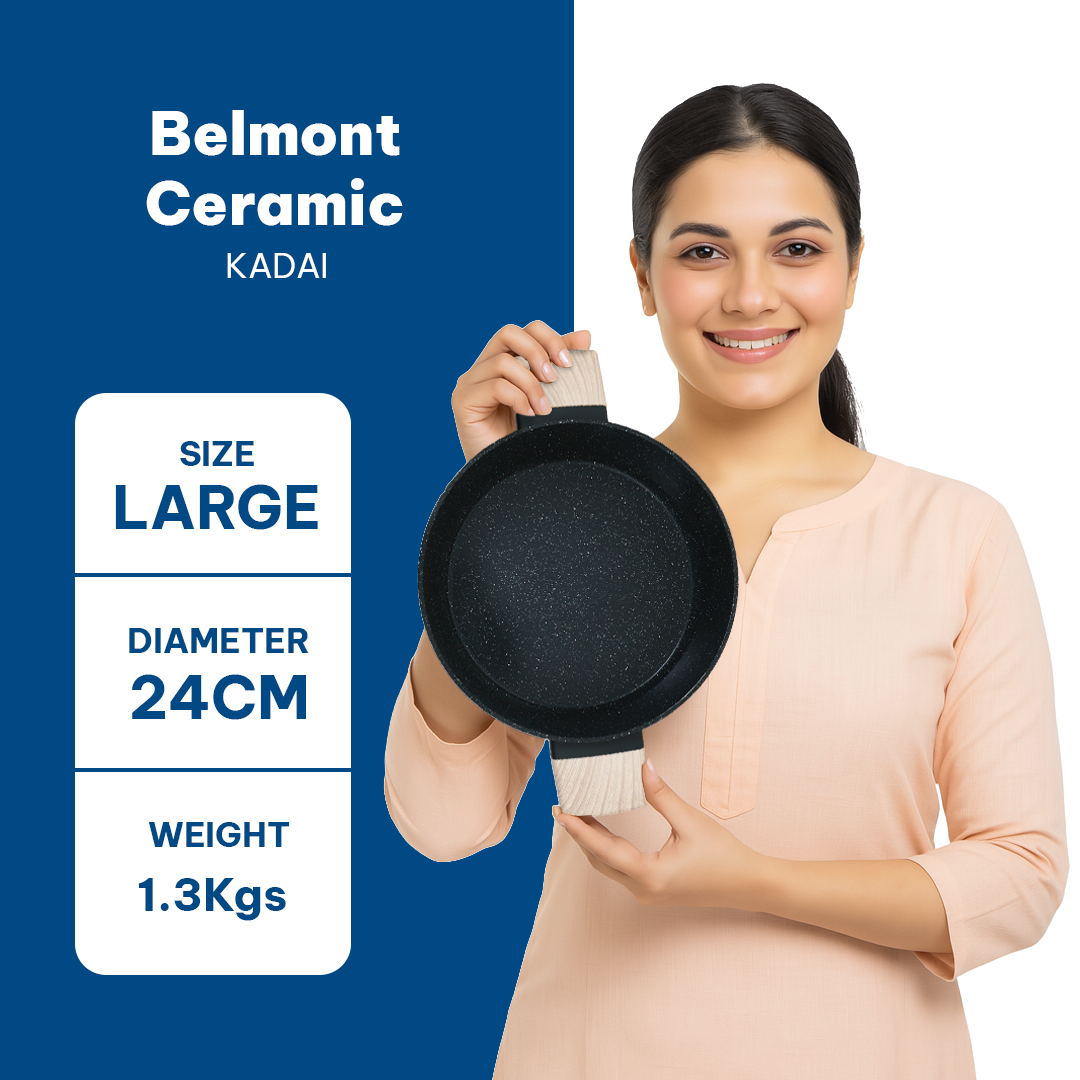
Belmont Ceramic Kadai
★★★★★ 4.70 · 111 reviews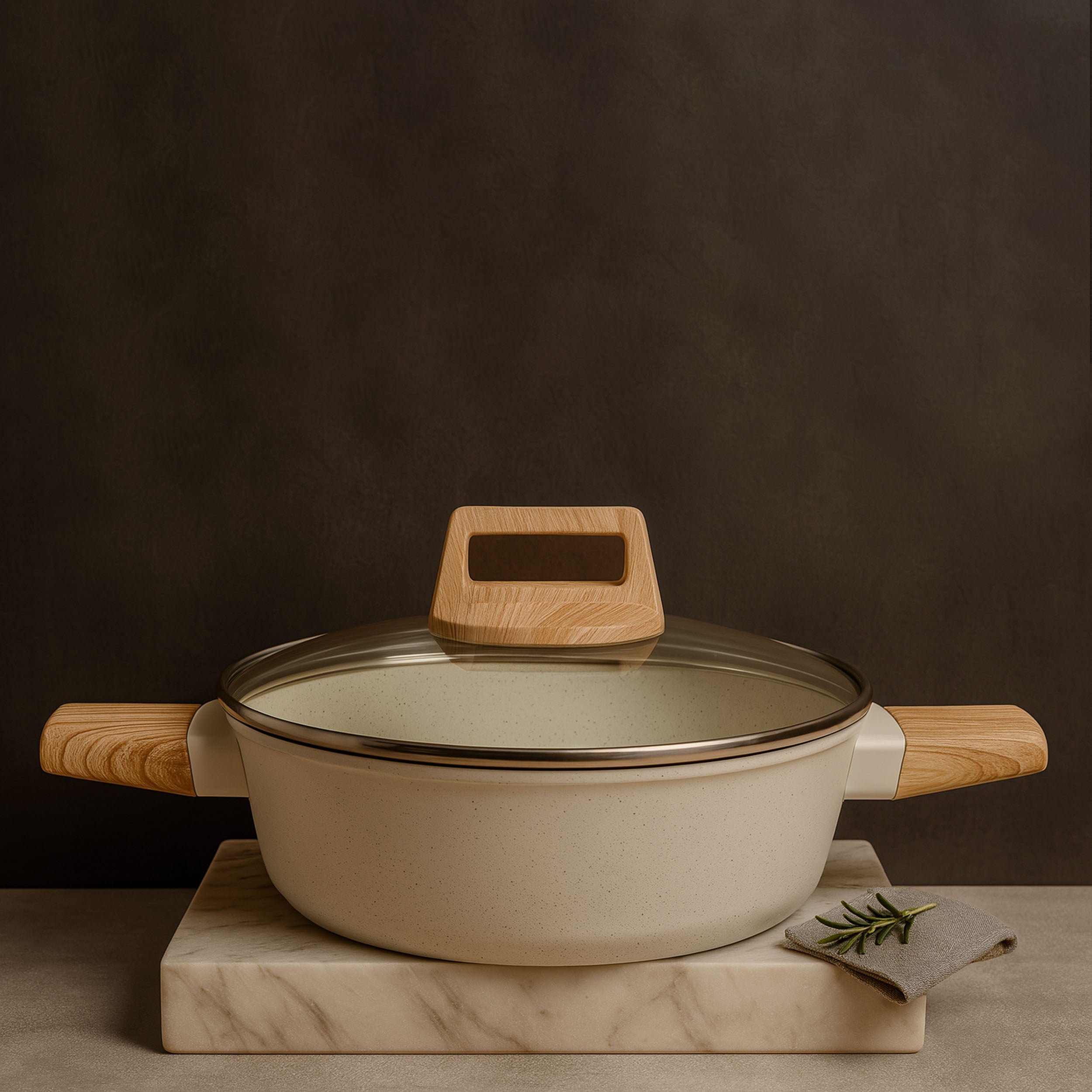
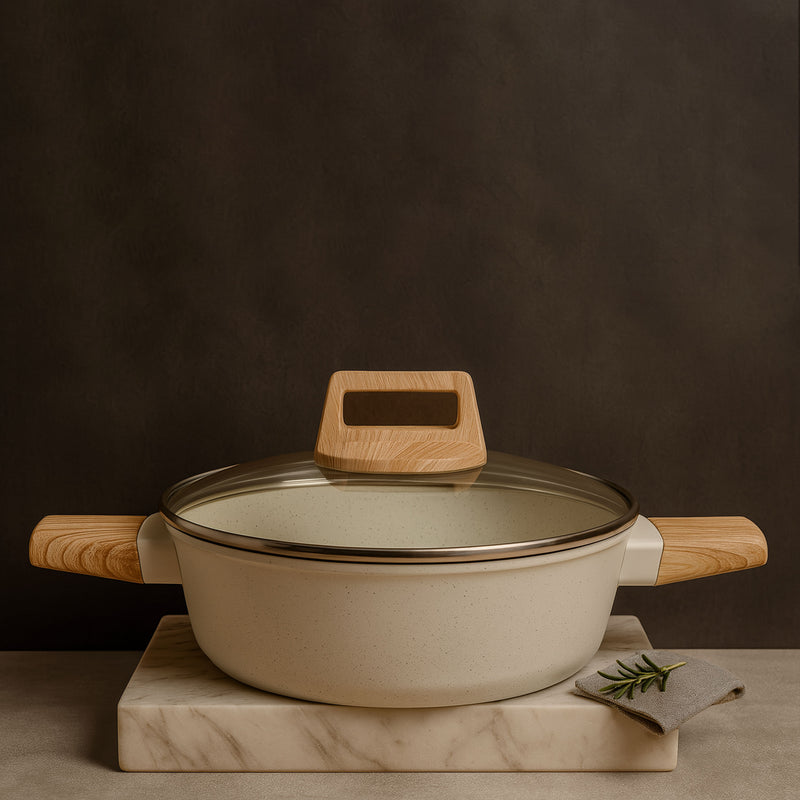




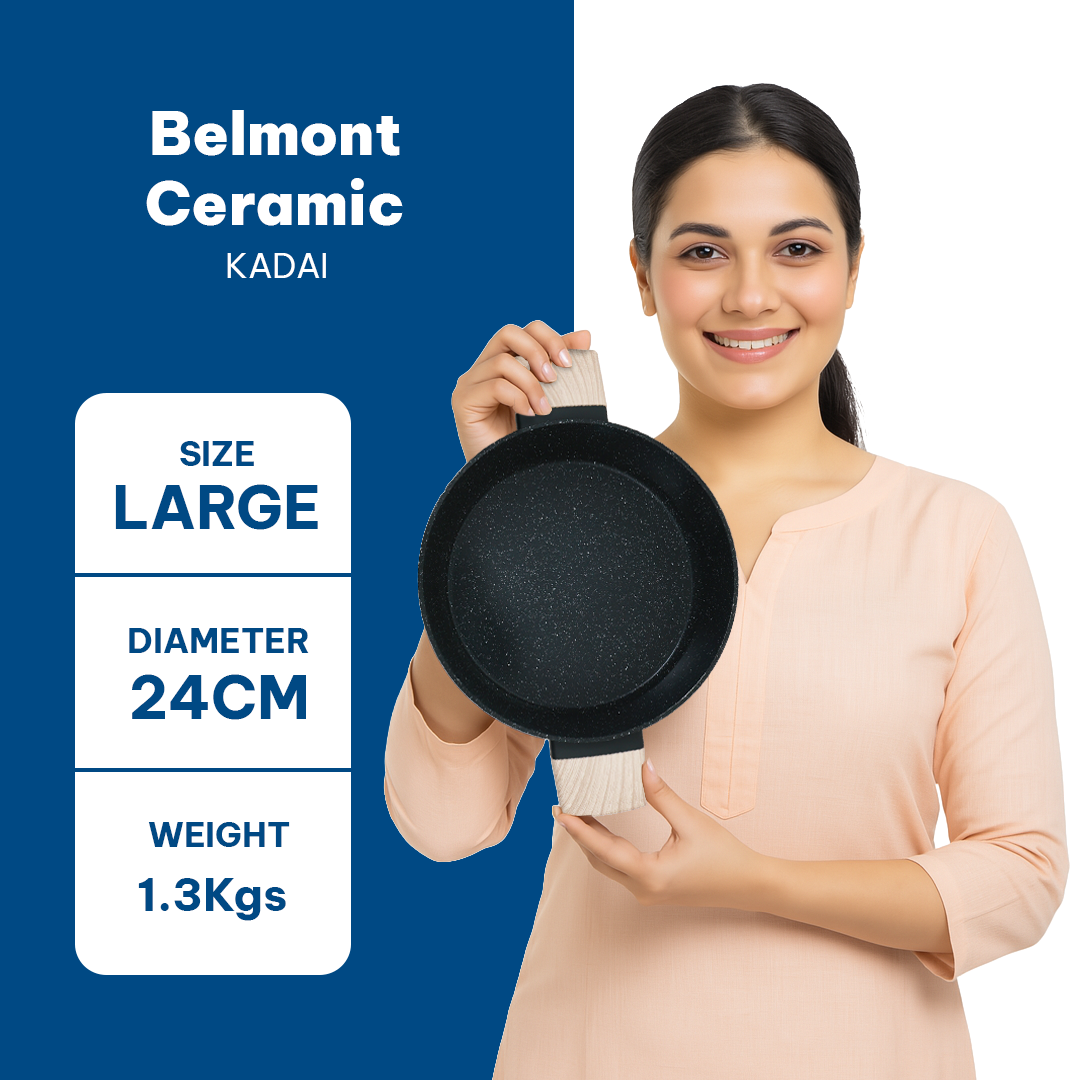
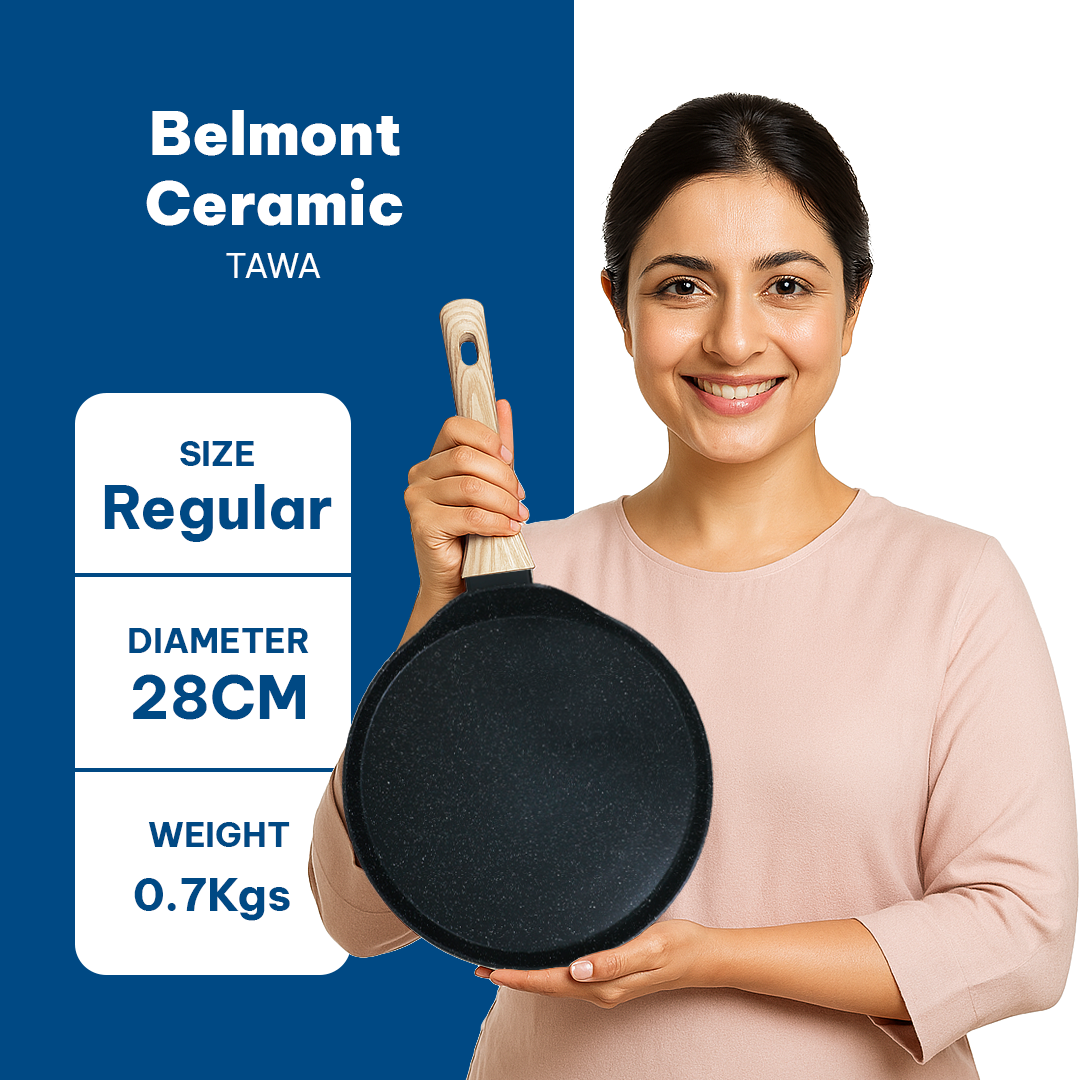


Belmont Ceramic Kadai

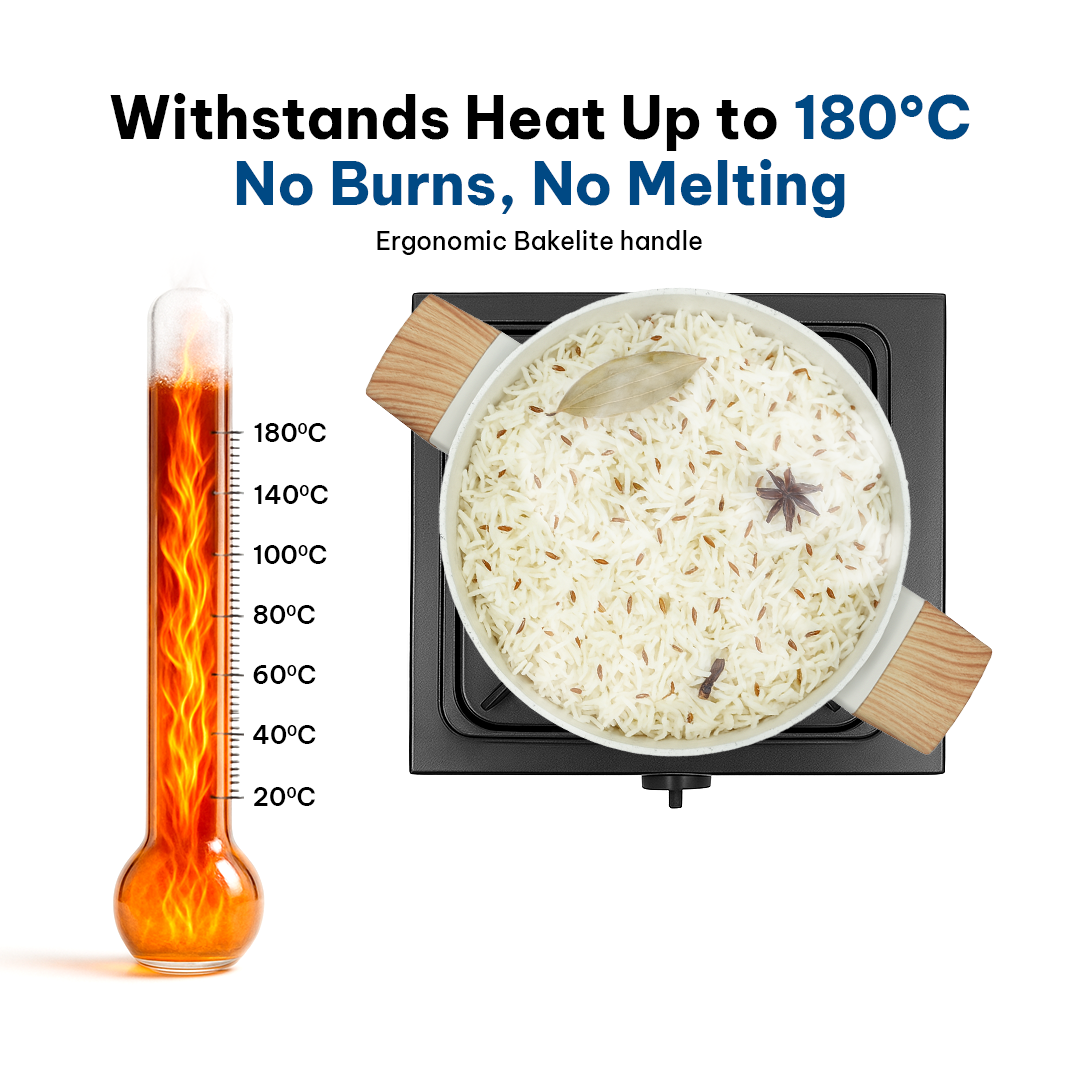
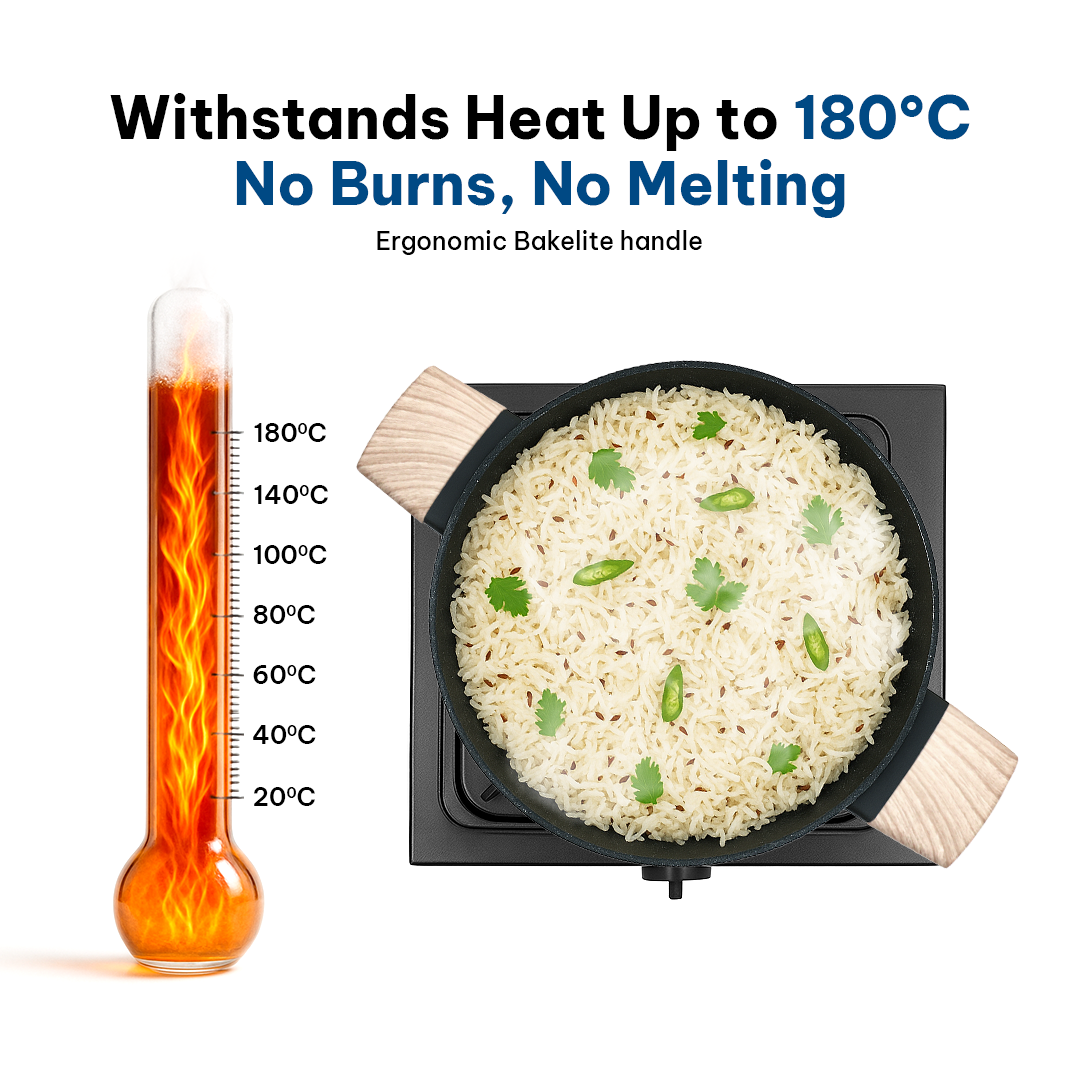
Bakelite Handle

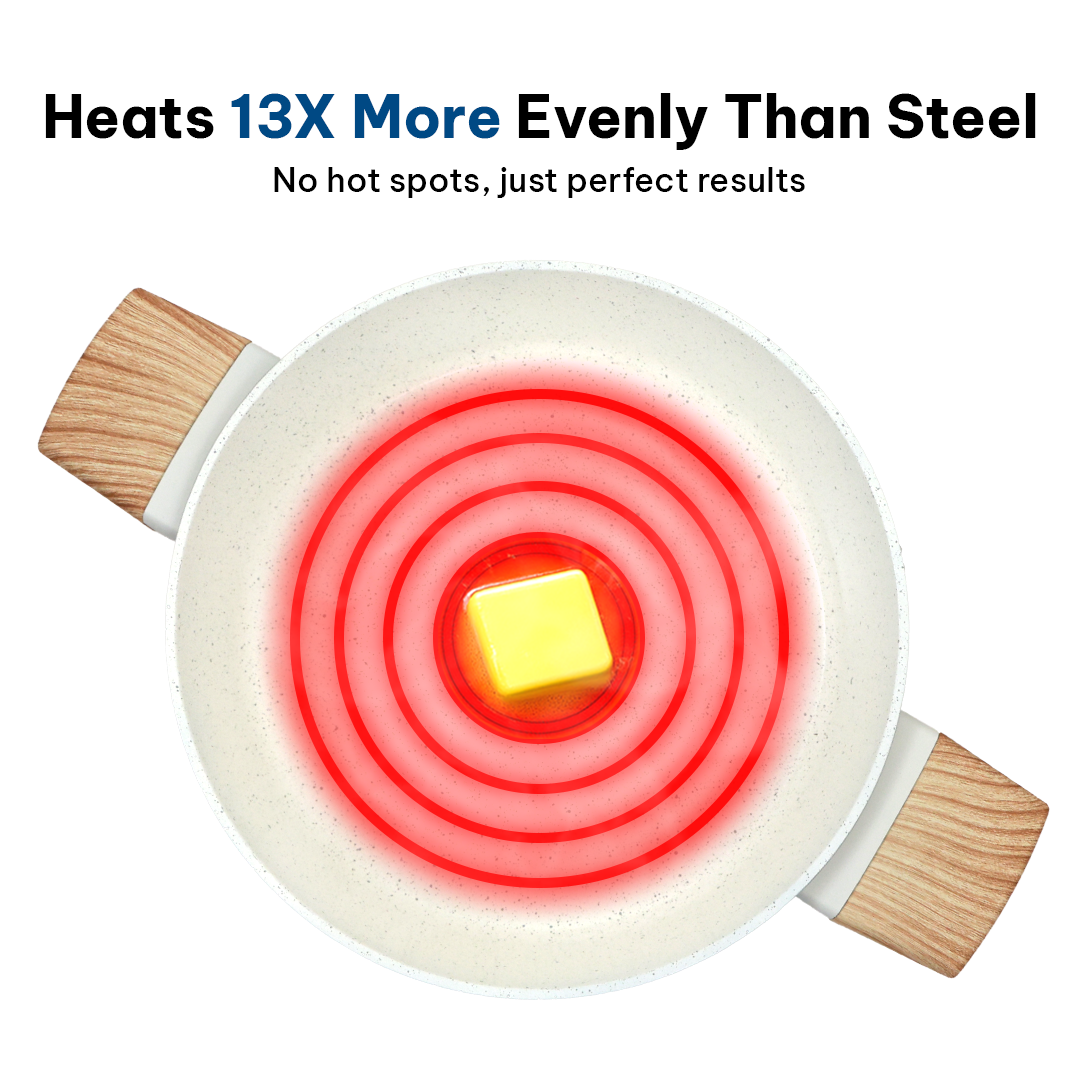
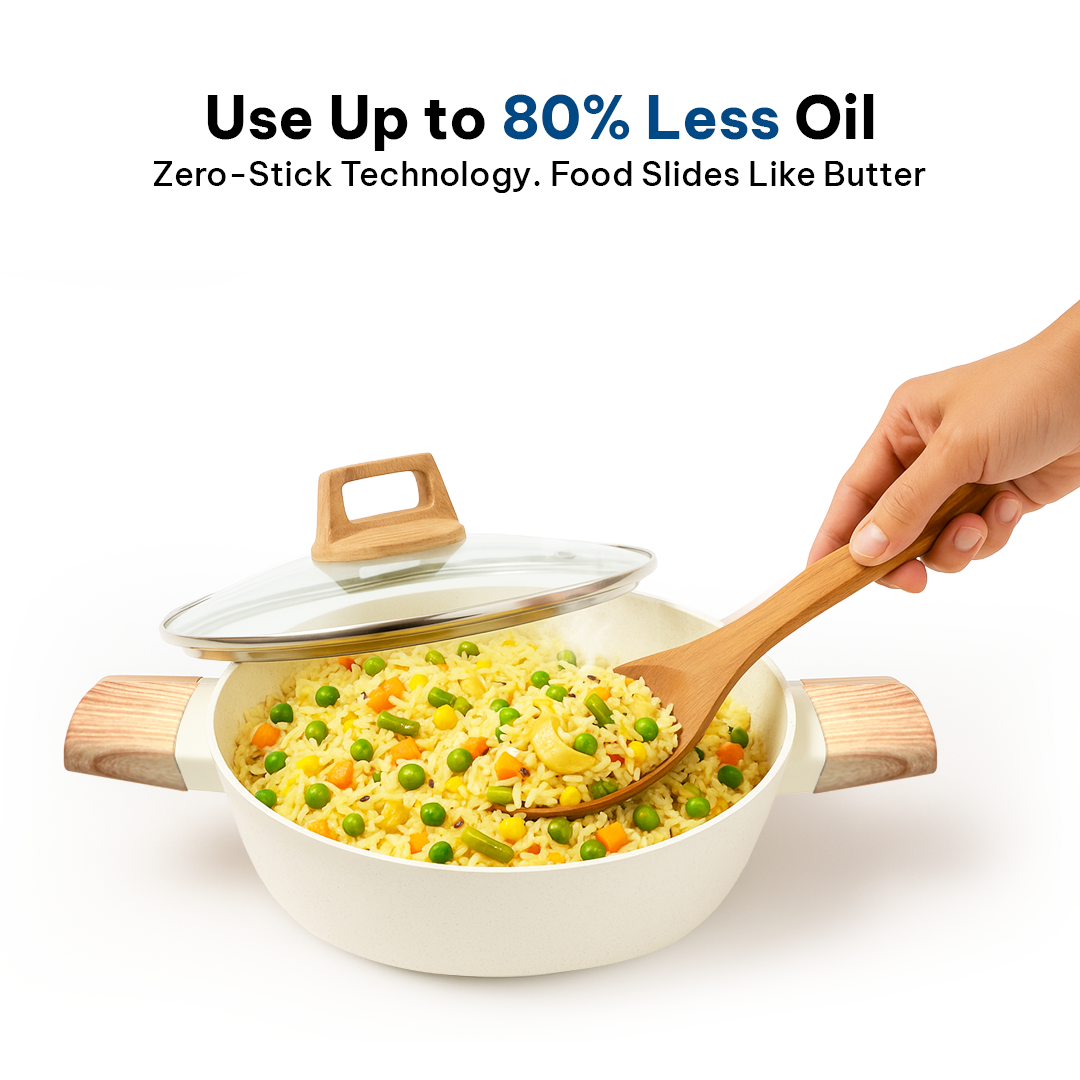
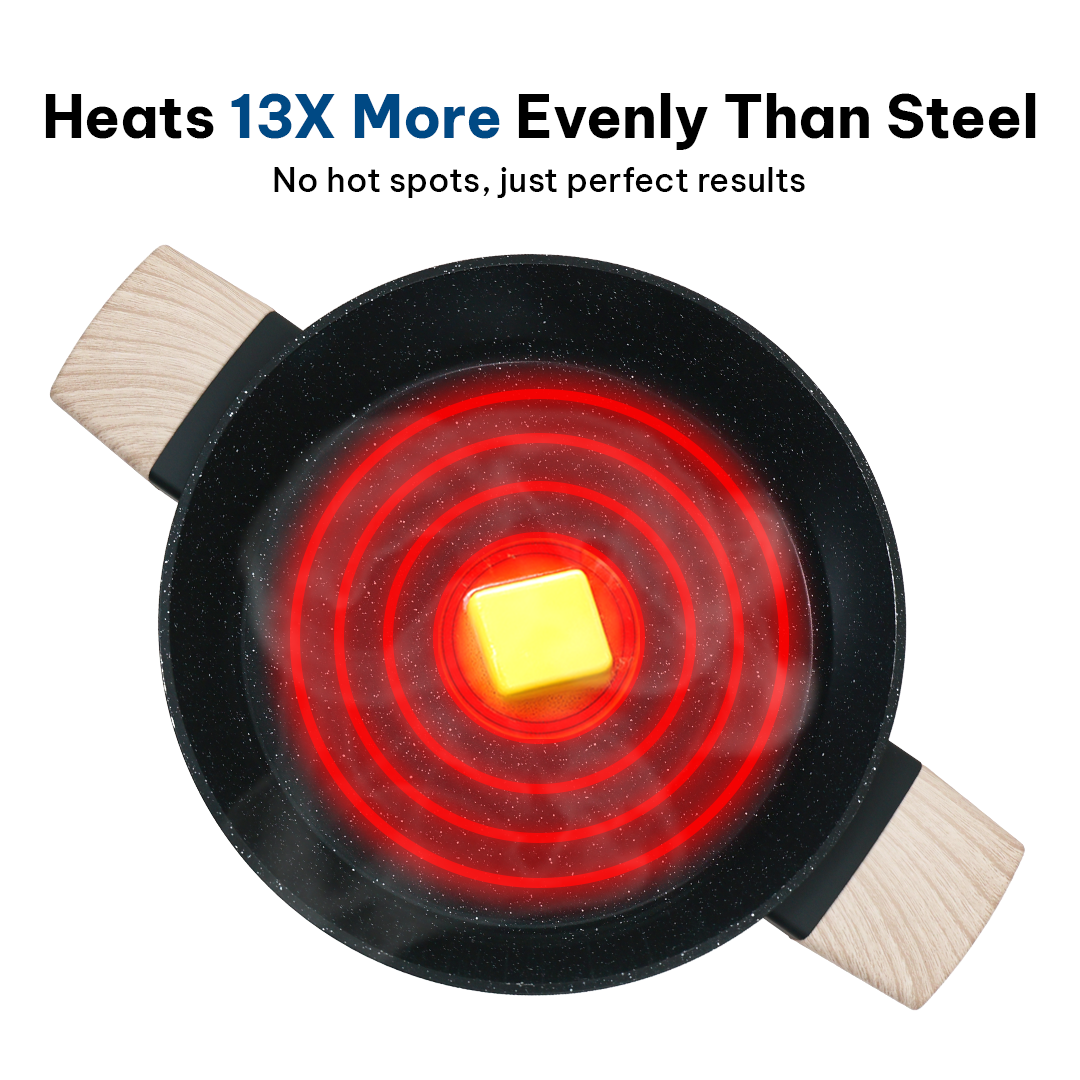
Zero Stick Technology

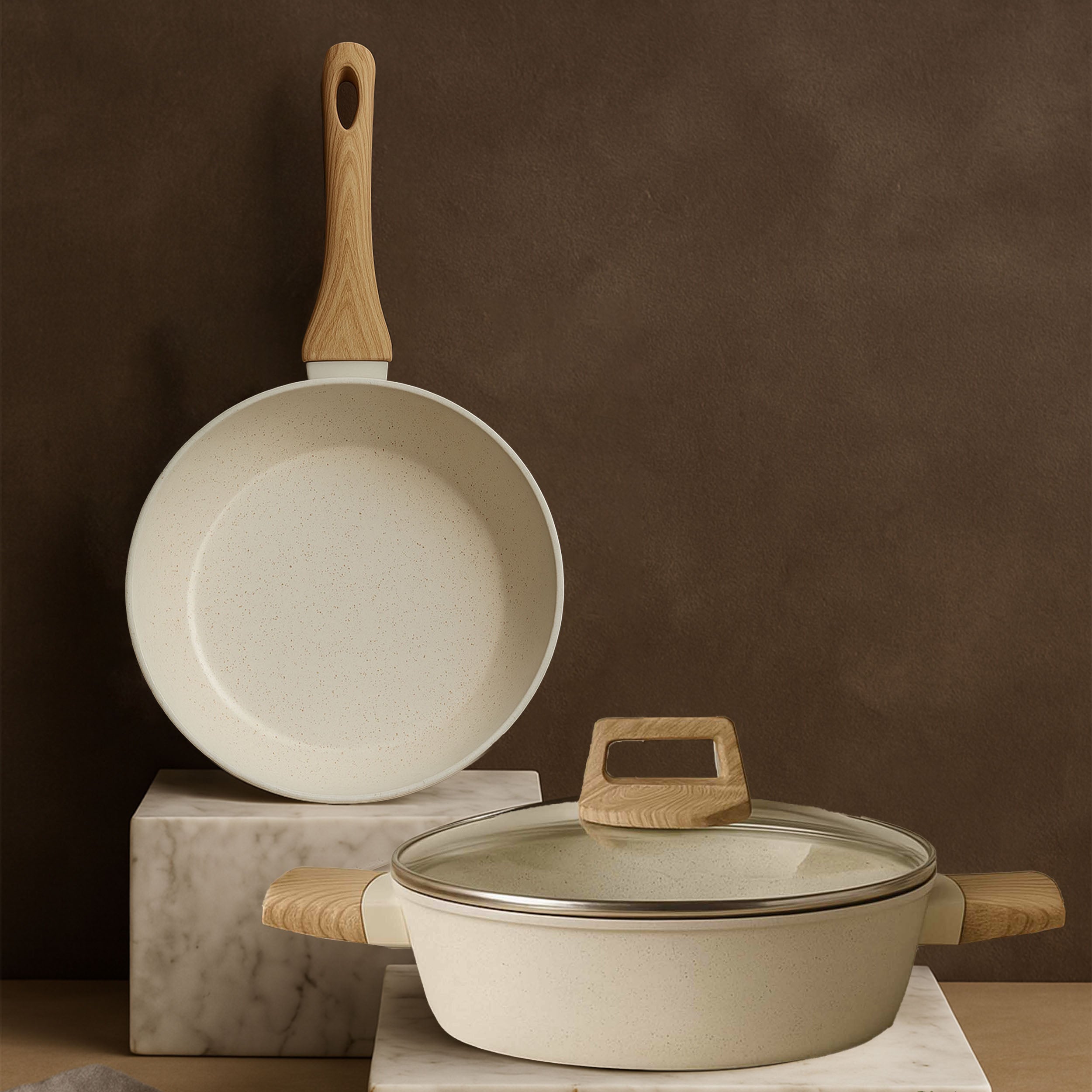
Ceramic Finish

Induction Compatible


Free Shipping; No Cost EMI Available at Checkout
Free Shipping
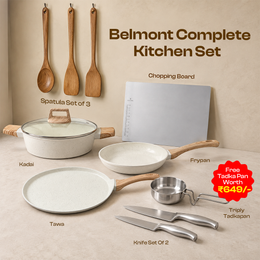
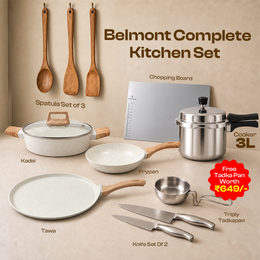
Build Your Own Cookware Combo & Save up to 12%
Add this to any other cookware — cast iron, triply or ceramic. The more pieces you add, the bigger the discount.
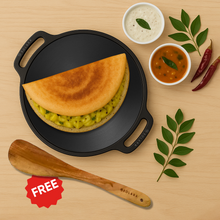
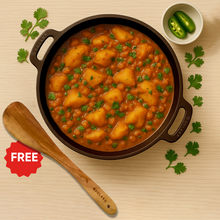
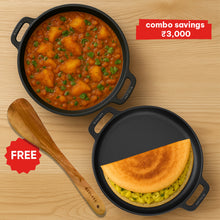
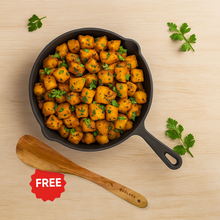
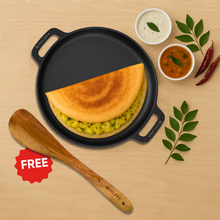
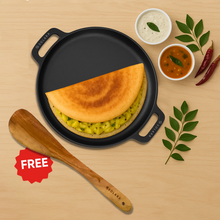
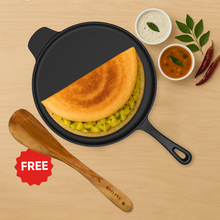
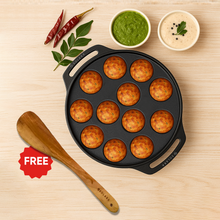
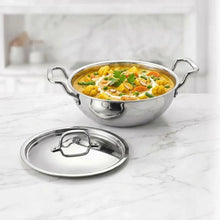
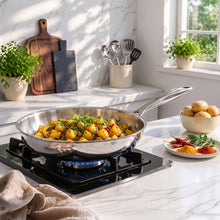
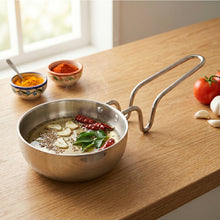
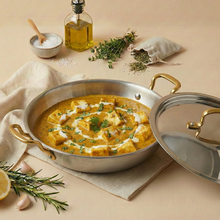
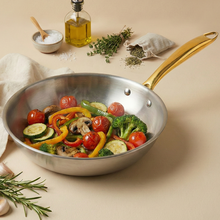
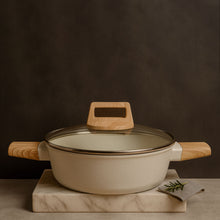
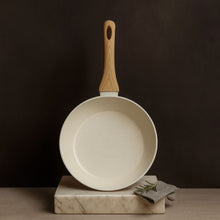
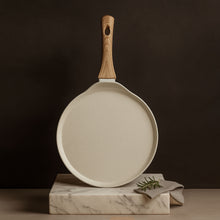
⚡ Most shoppers pick 3 pieces and save 10%
Discount applies automatically at checkout · no code needed · add-ons don’t count toward the tier


Made for Indian Cooking. Not Staining from It
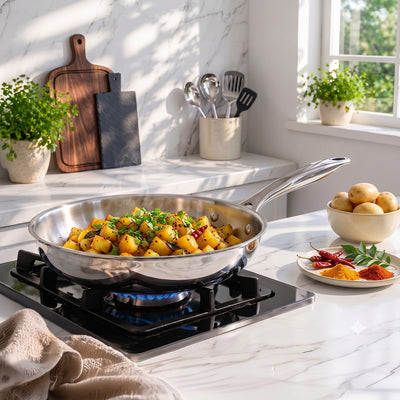
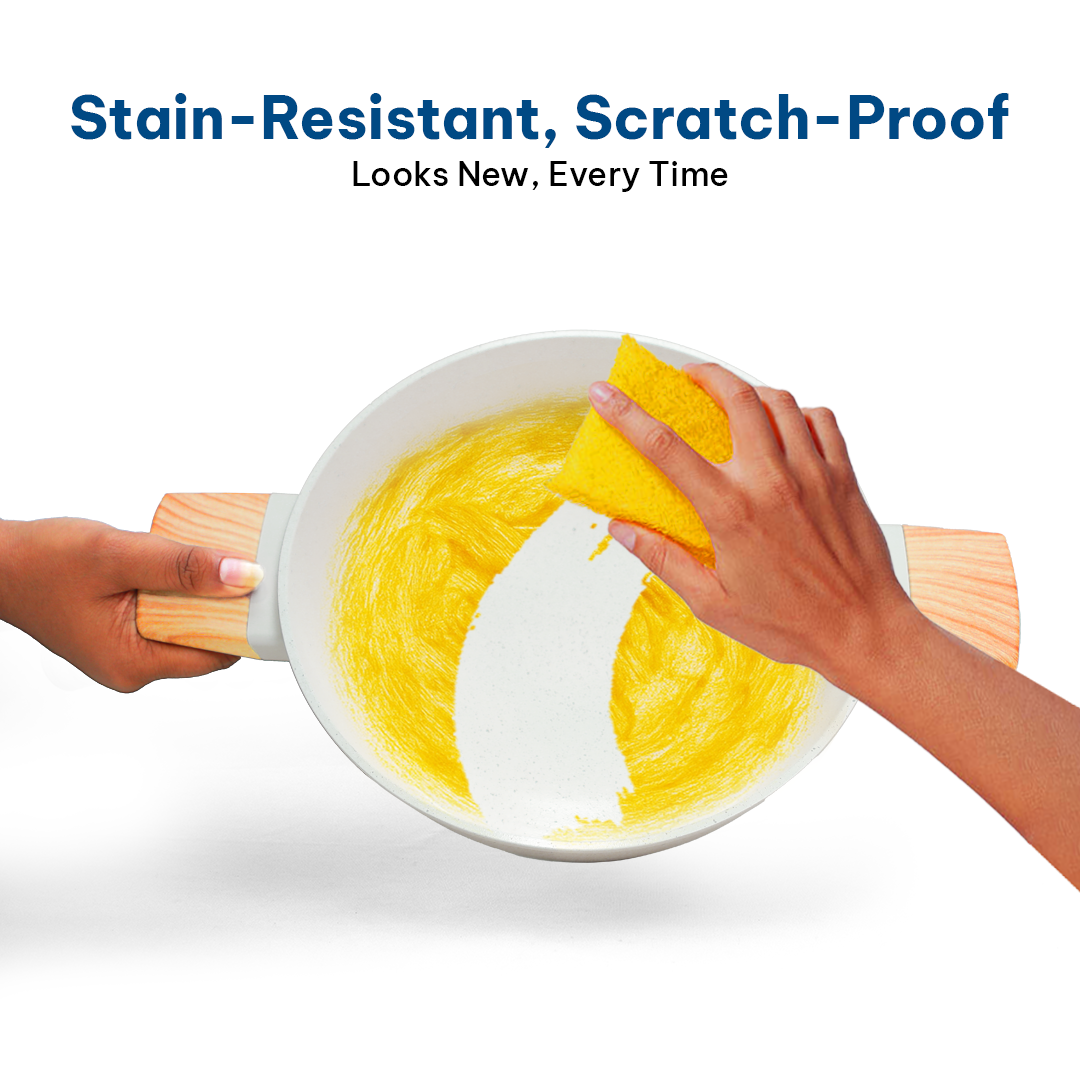
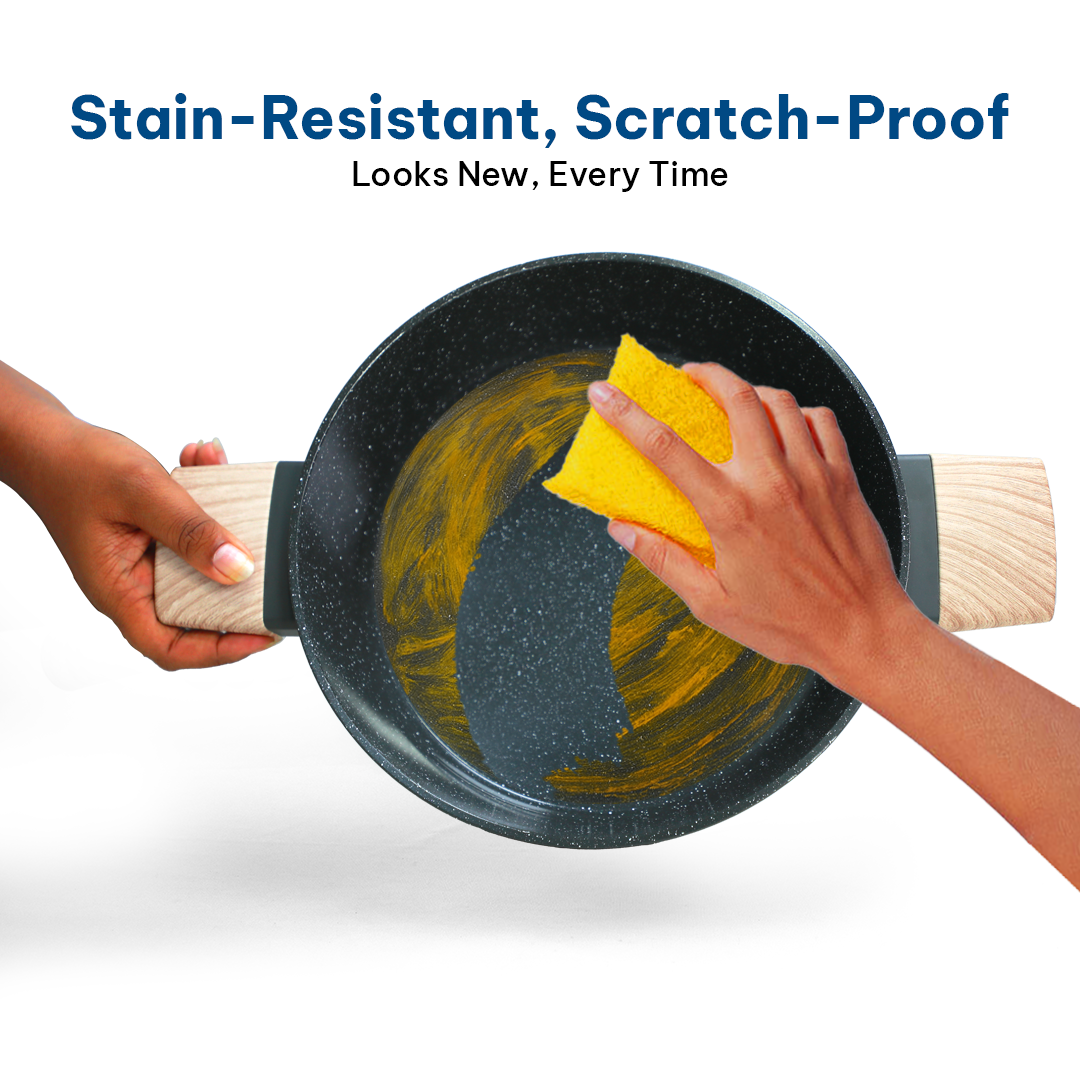
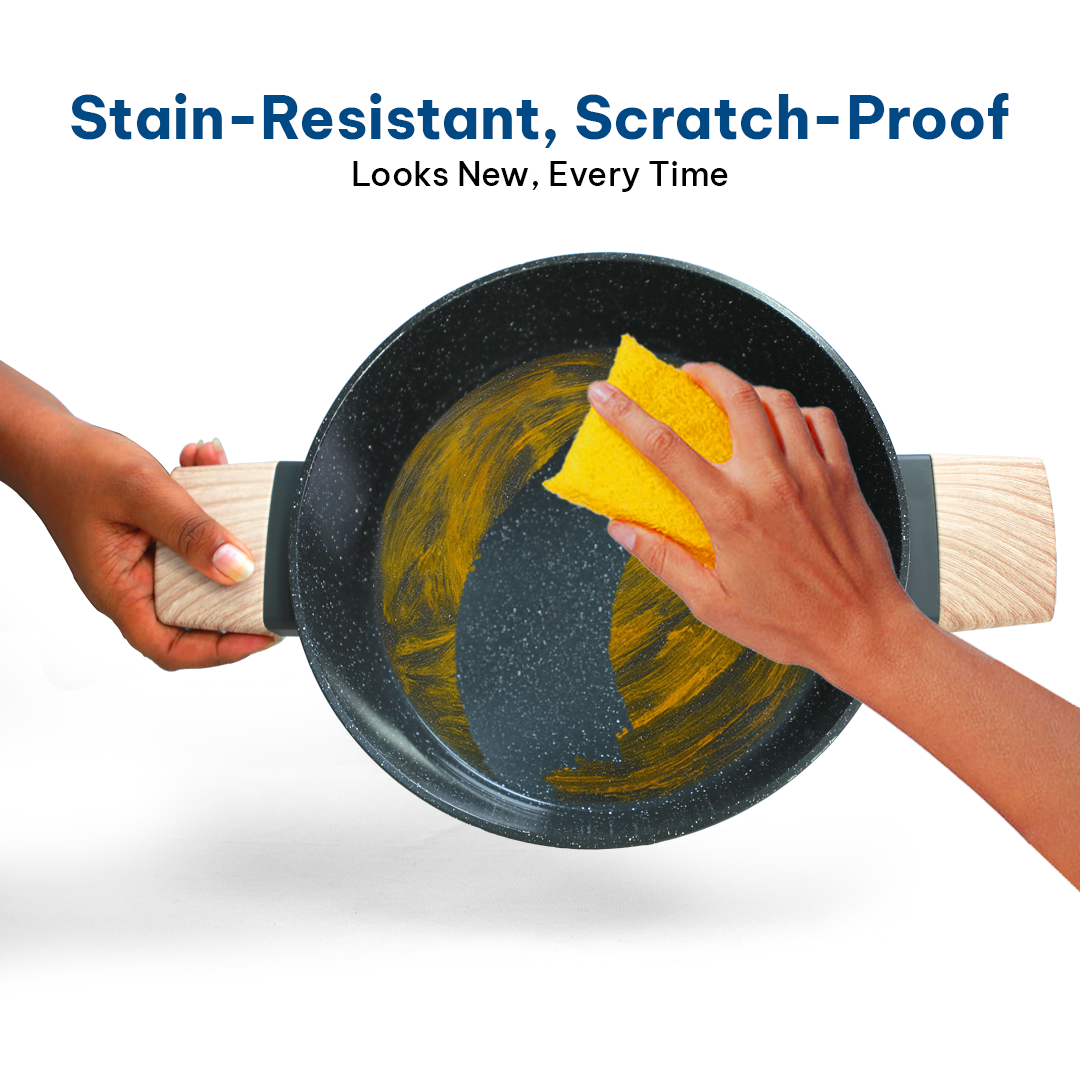
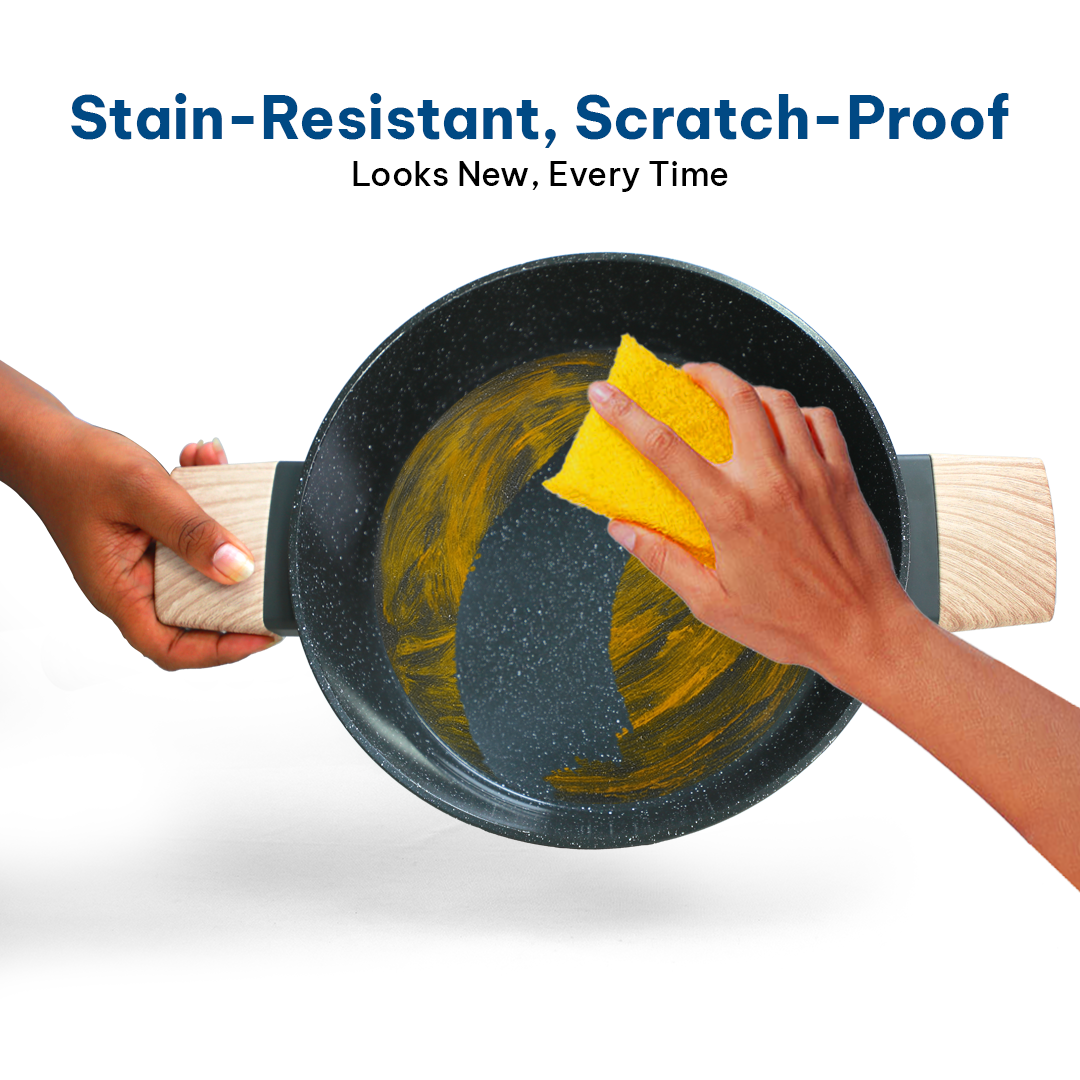
Say goodbye to yellow stains and red curry marks. Our ceramic surface stays spotless—even after dal, sambhar, or masala-heavy dishes.

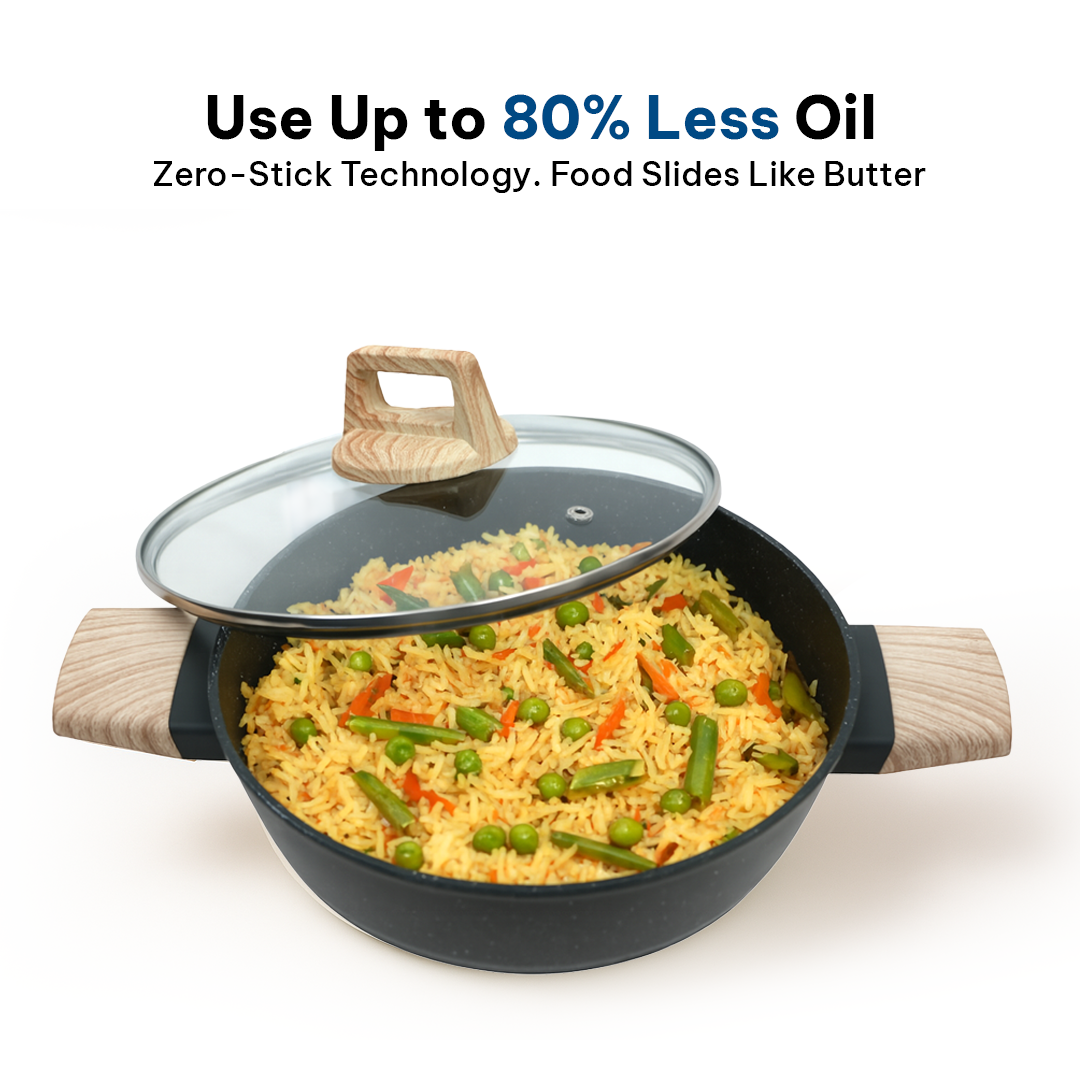
The Slide That Saves Calories
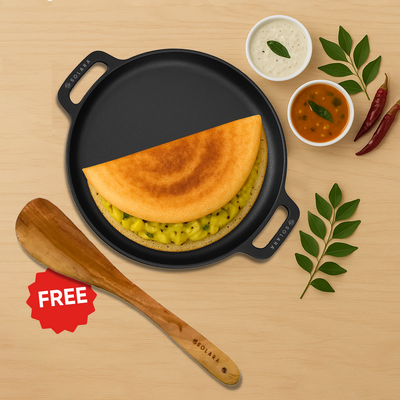
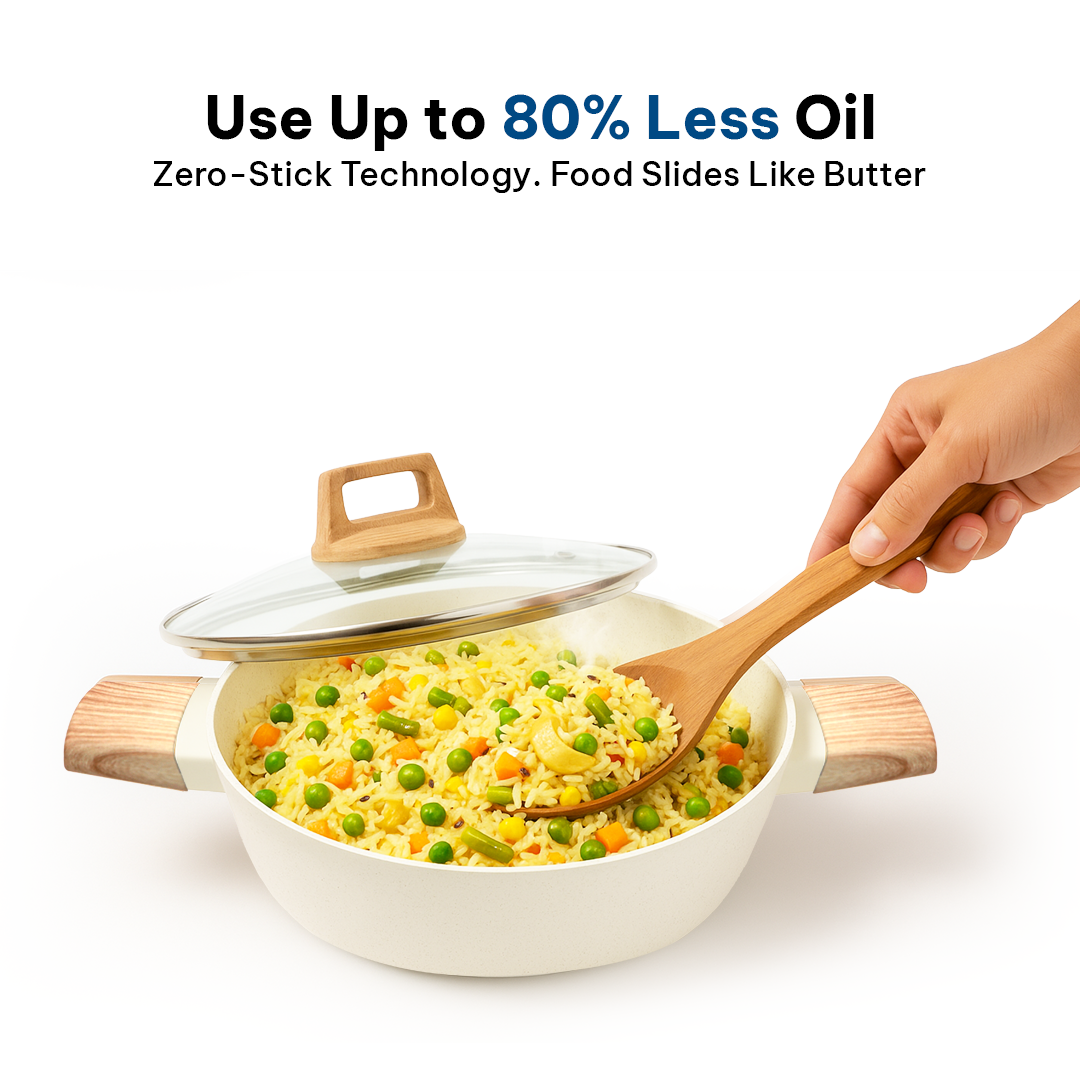
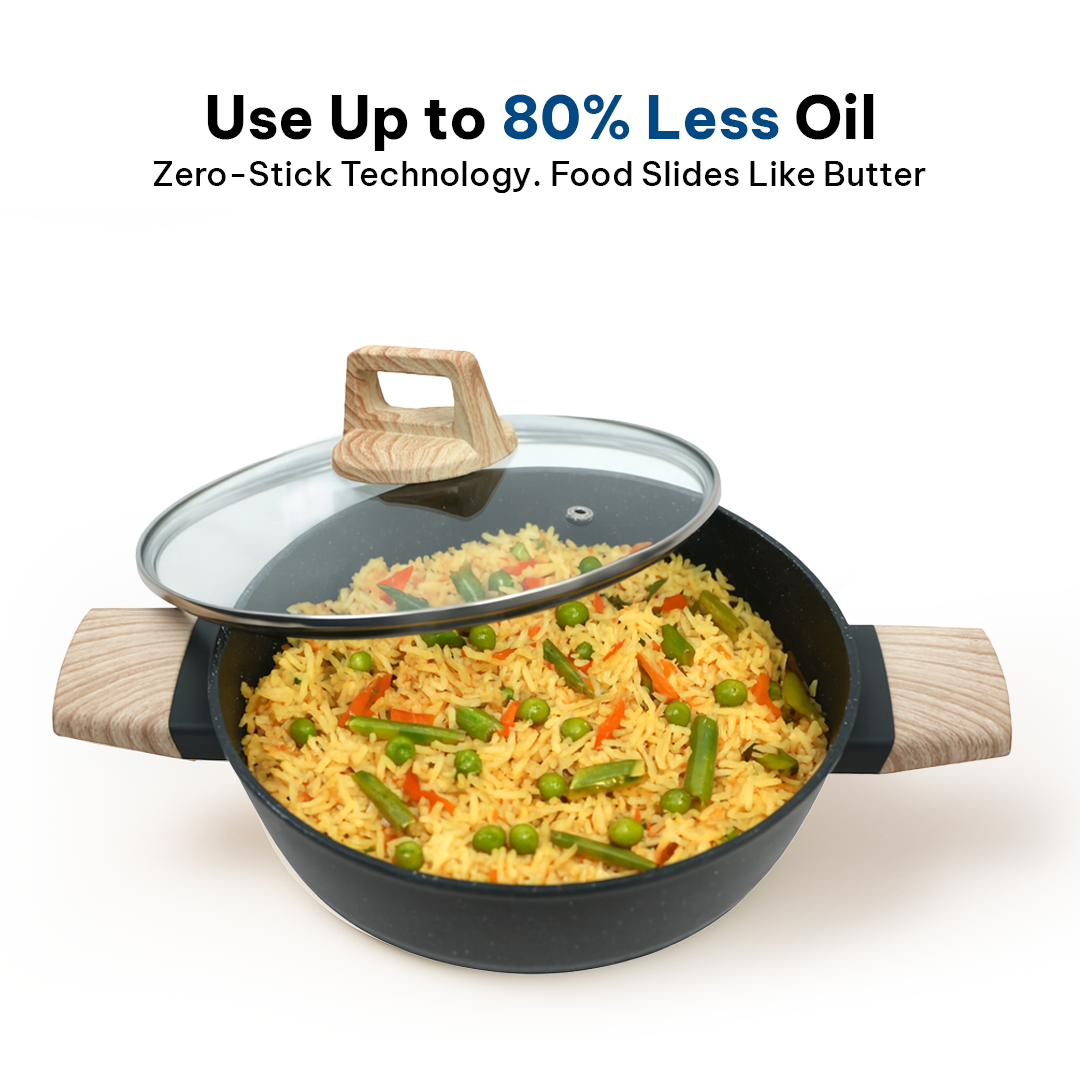
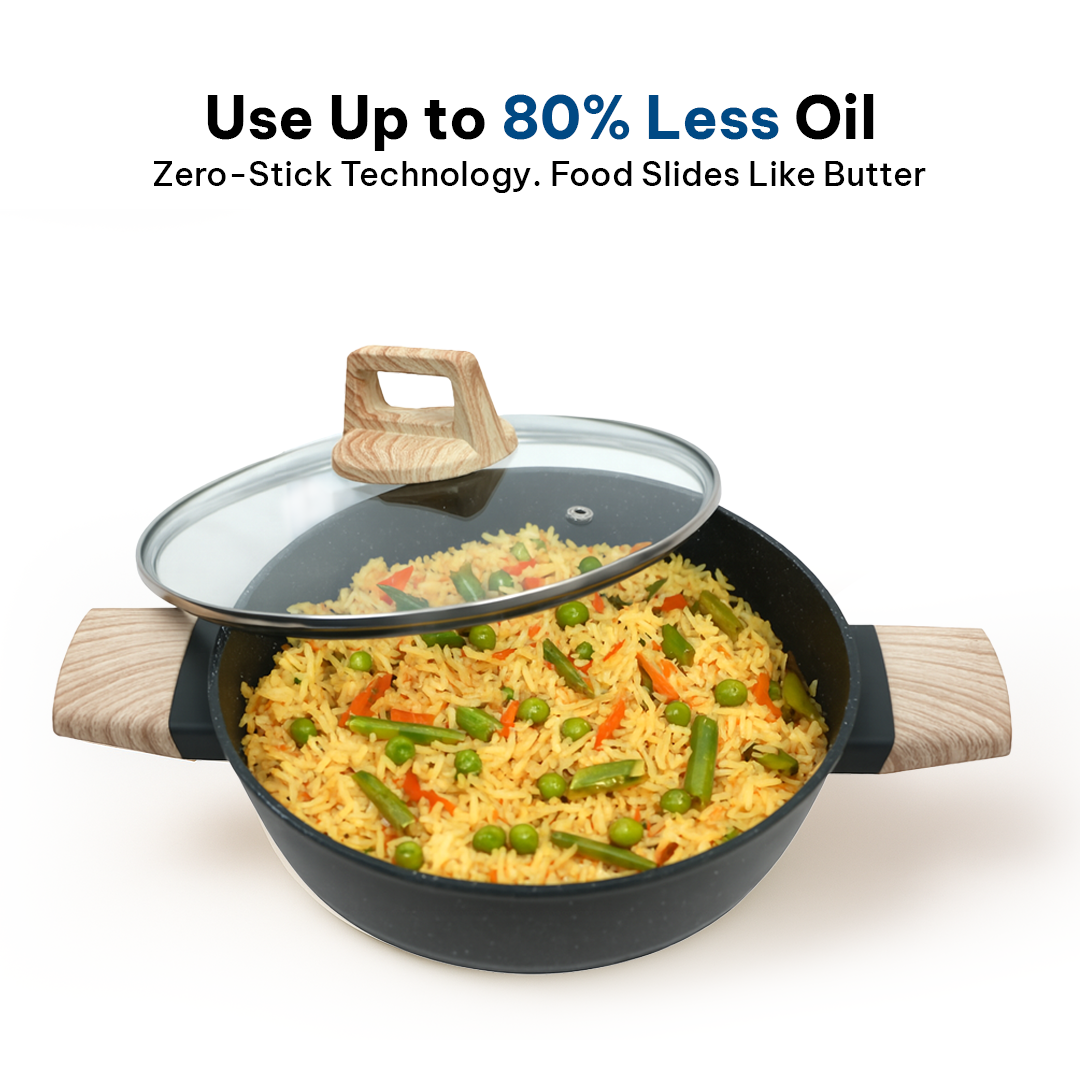
You don’t need a pool of oil anymore. With zero-stick ceramic, food slides right off—fluffy omelets to crisp dosas.

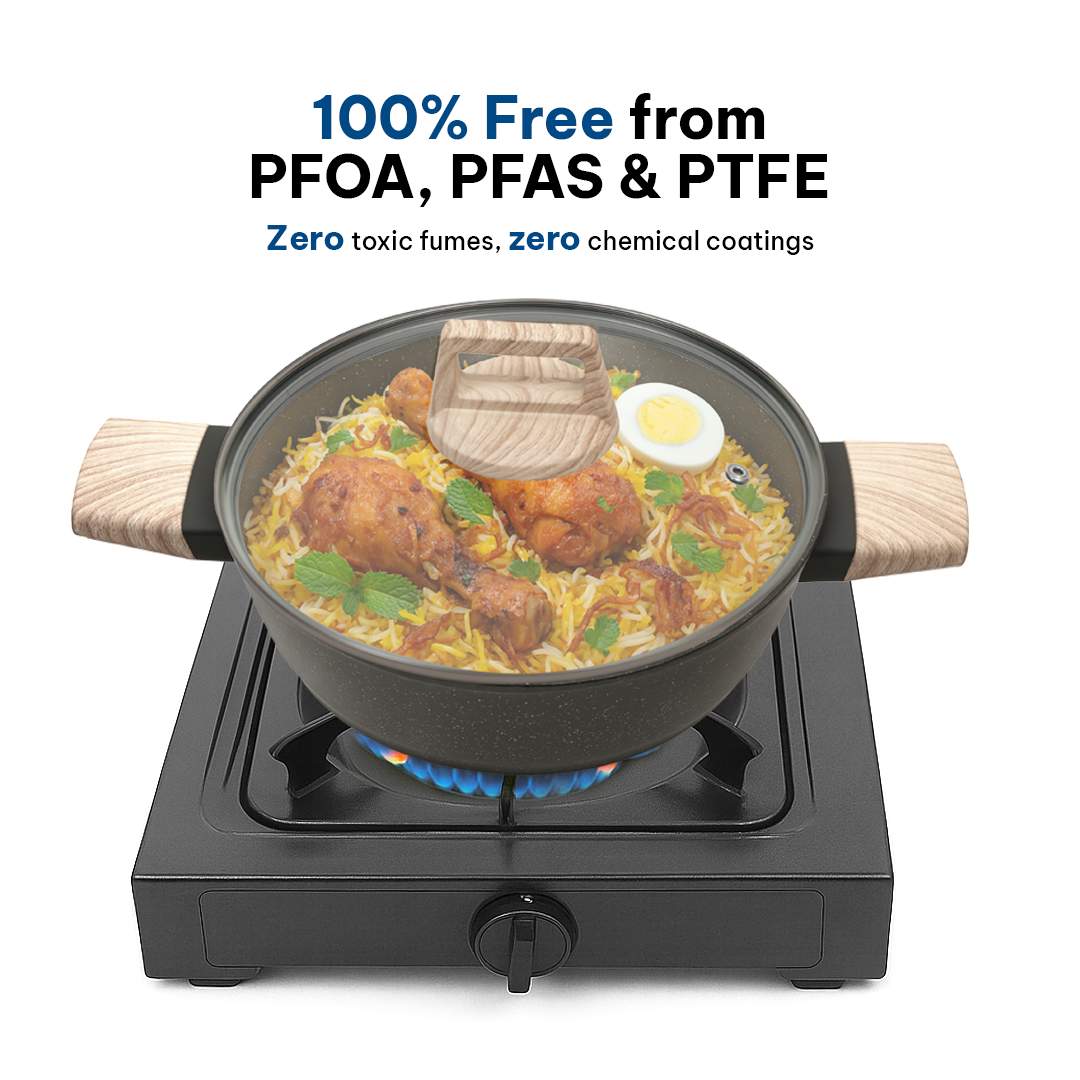
No Chemicals. Just Ceramic
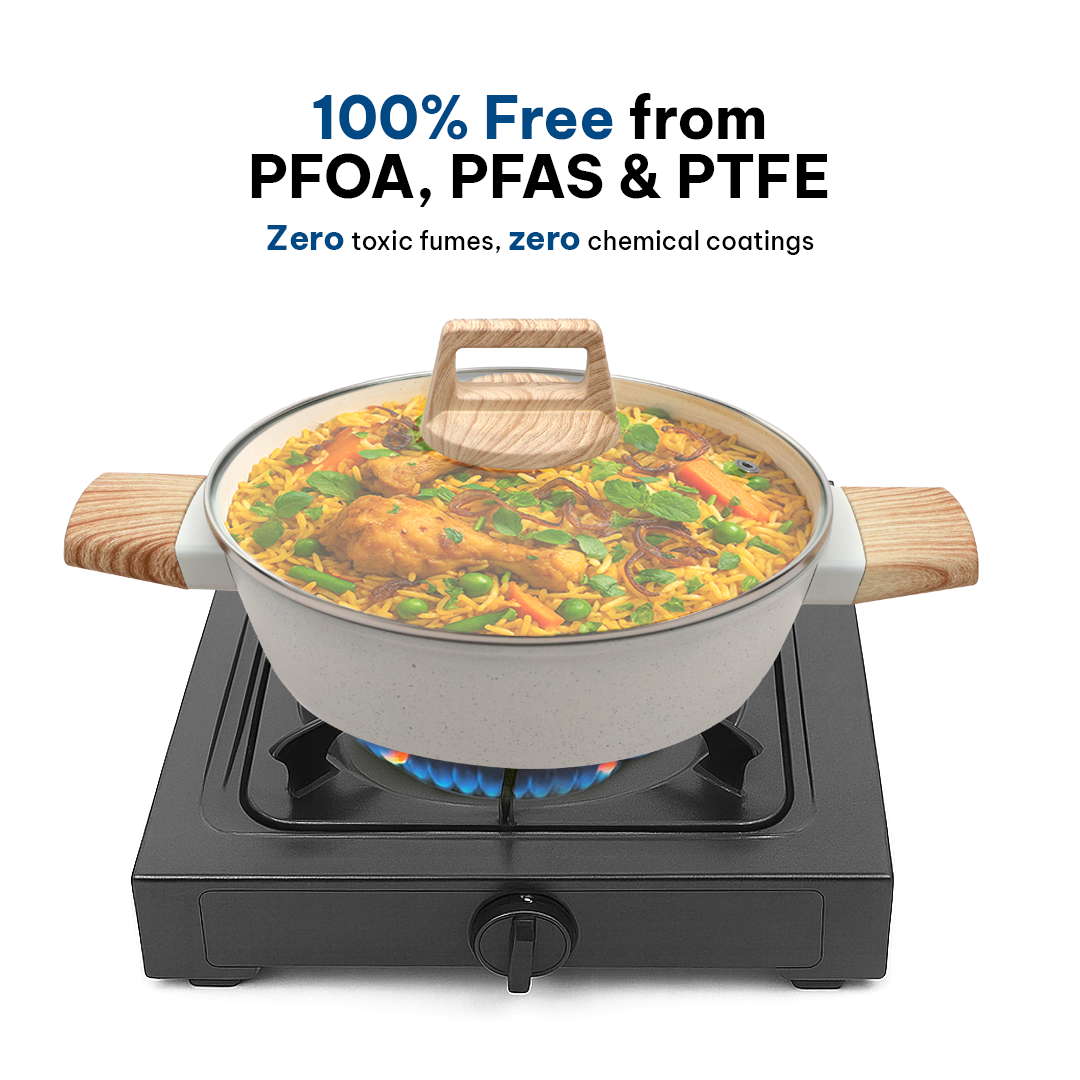
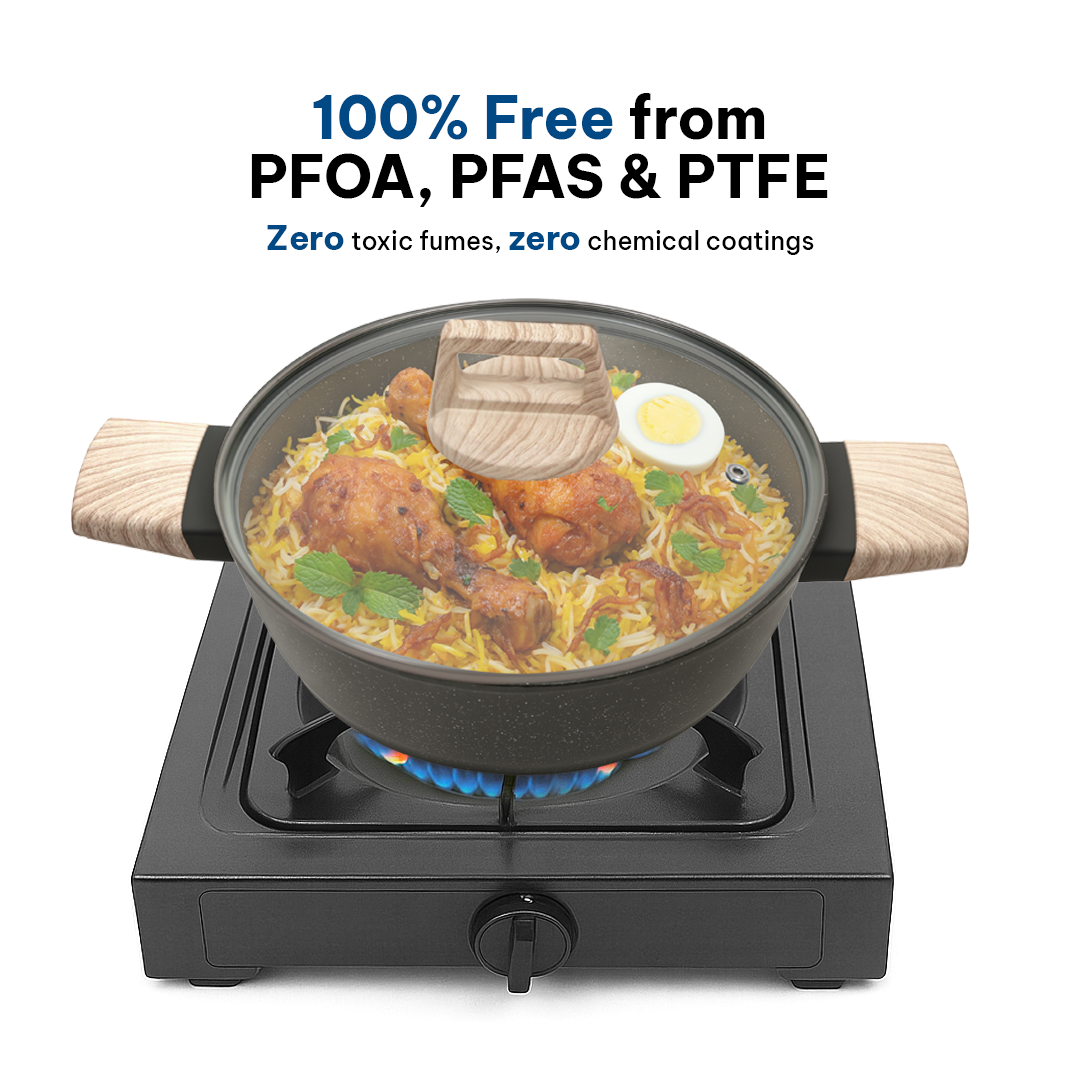
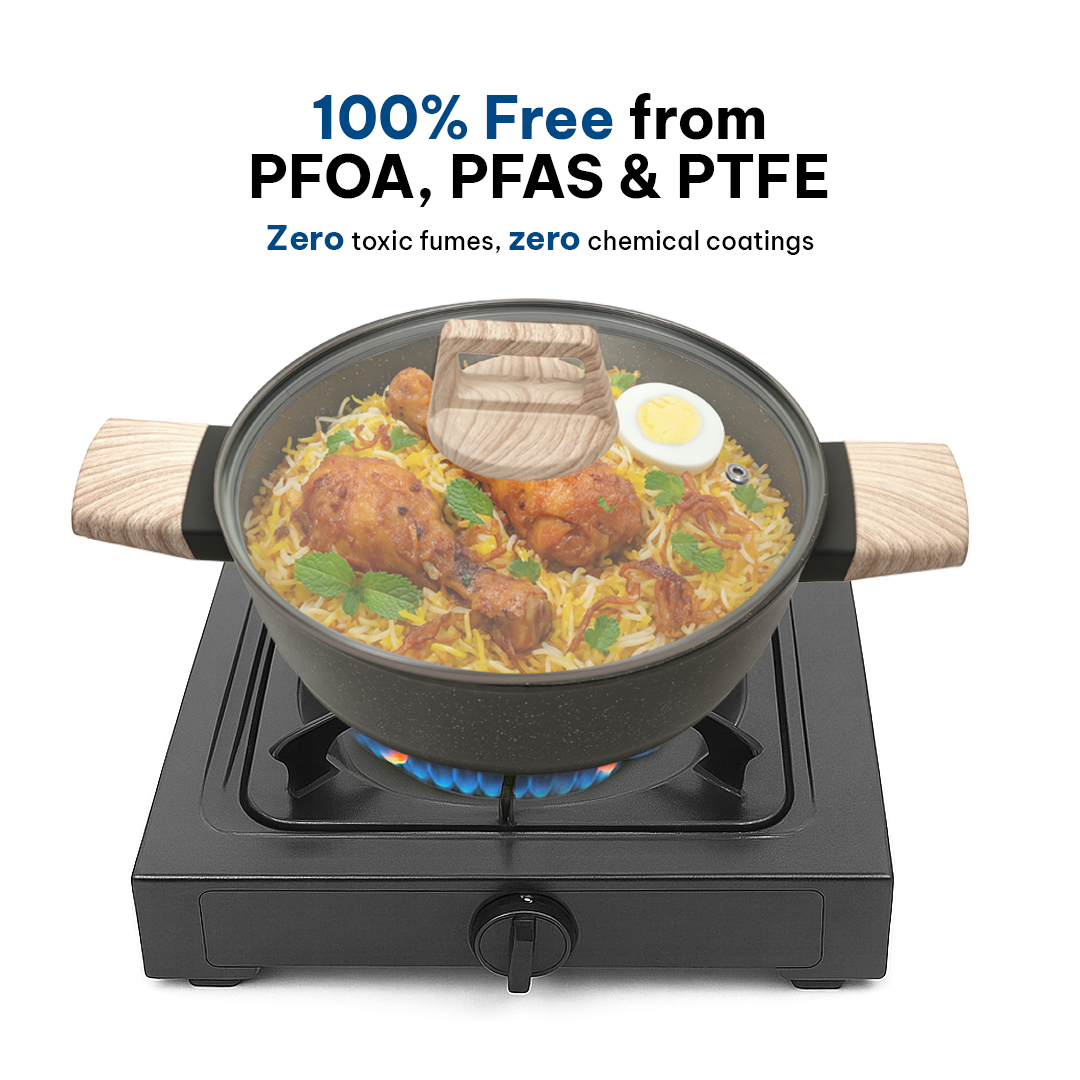
Free from PFOA, PTFE, and harmful fumes—our ceramic coating is made from natural materials, so your food stays real.

Hold with Confidence
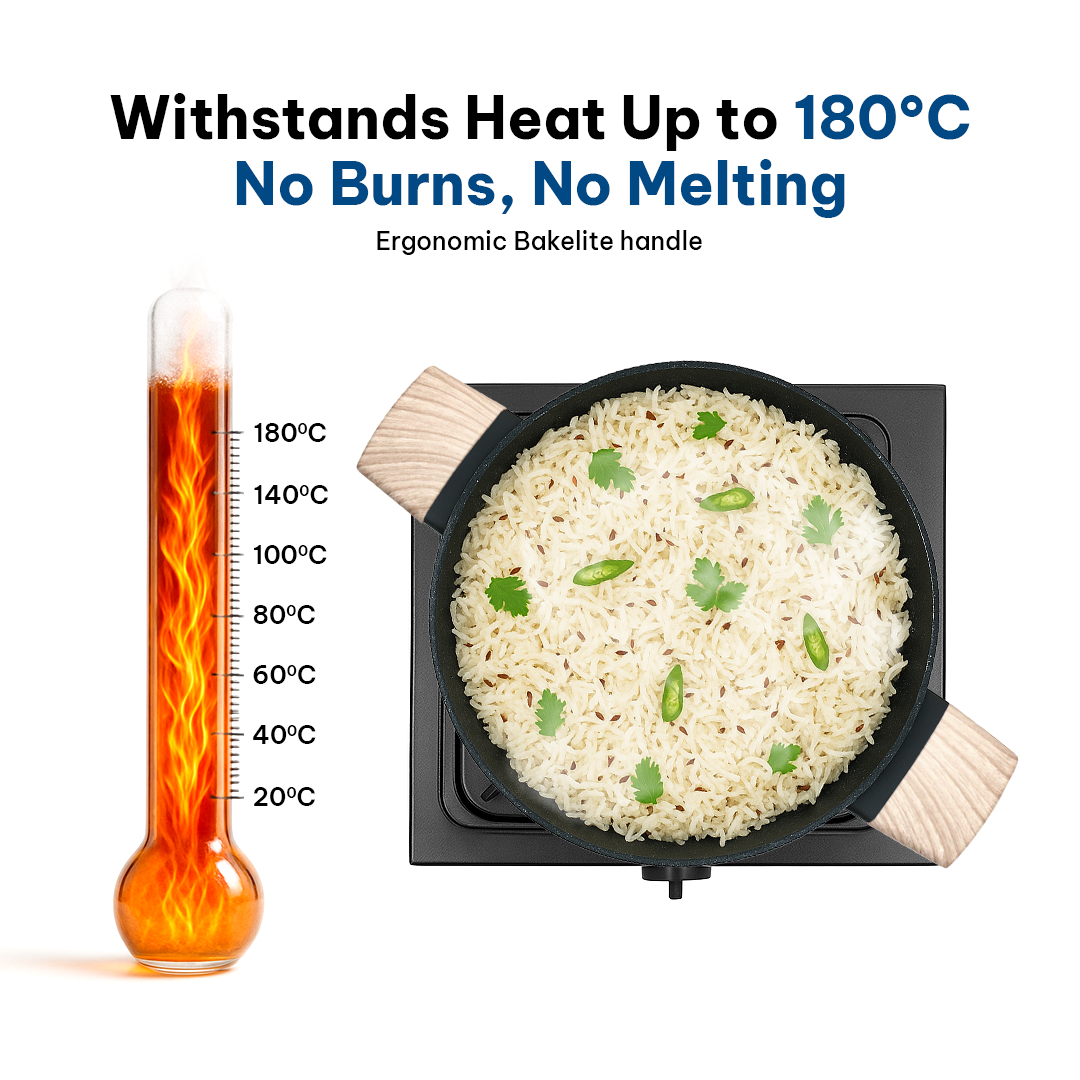
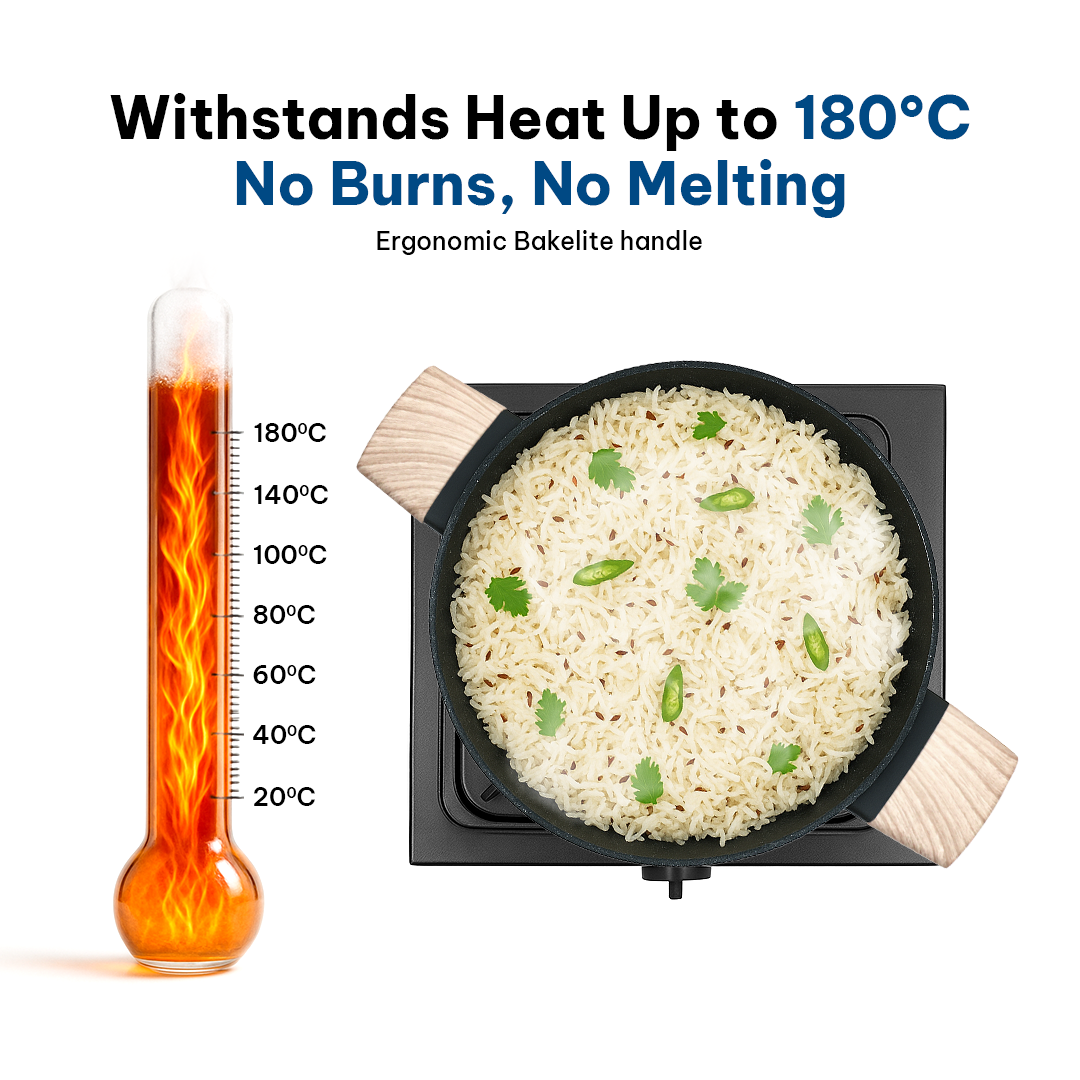
The ergonomic Bakelite handle stays cool even under high heat. Grip it straight from the flame—no mitts needed.
Beautiful. Effortless

Your New Kitchen Crush
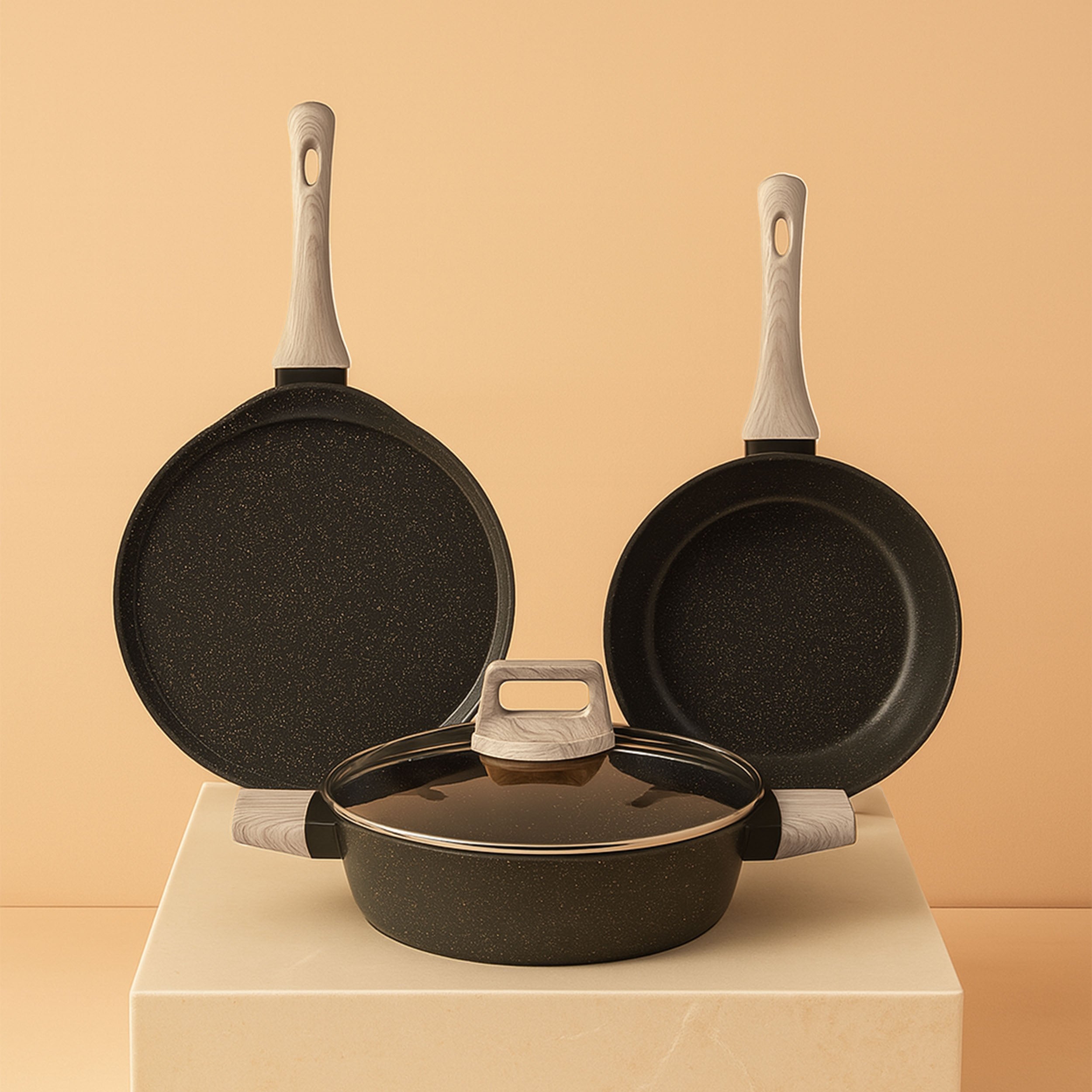
From flawless slides to a flawless finish — Belmont Ceramic Cookware doesn’t just cook like a dream, it looks like one too. Stain-proof, fuss-free, and always Insta-ready.
Buyer's guide
Belmont Ceramic Cookware — What to Expect
Ceramic non-stick is a smooth, glass-like coating cured onto the pan. It releases food with a fraction of the oil most cooking calls for, and it cleans with a rinse rather than a scrub — which, on a weeknight, is often what decides whether a pan gets used at all.
What ceramic is genuinely best at
- Eggs and omelettes — the classic test, and where ceramic shines
- Dosa and chilla — clean release without a heavy oil film
- Fish and paneer — delicate things that tear on bare metal
- Low-oil sabzi — bhindi that usually welds to the pan
The honest trade-off
A ceramic coating is a surface, and surfaces have a service life. With regular use you can expect excellent release for roughly one to three years before it gradually fades. That is how silica coatings behave — it is not a defect, and it is not brand-specific. Think of ceramic as a superb low-oil pan with a service life, not a forever pan.
If you want cookware that outlives you, that is what cast iron and triply stainless steel are for. Most kitchens keep both kinds for different jobs — we compare all four materials in which cookware should you buy.
Four habits that make it last far longer
- Low to medium heat only. High heat is the single biggest cause of early wear.
- Never preheat it empty. Oil or food goes in first.
- Let it cool before washing. Cold water on a hot pan causes micro-cracking.
- Wood, silicone or nylon utensils. No metal, no steel wool.
A little oil actually helps — cooking bone-dry wears the surface faster even though the pan will manage it.
Common questions
Is ceramic cookware safe? A cured silica coating is inert and does not involve the fluoropolymer chemistry behind the old non-stick concerns. Full detail in is ceramic cookware safe?
Why has it stopped being non-stick? Usually a polymerised oil film rather than a worn coating. Scrub gently with a baking soda paste first — that revives a surprising number of pans.
Can I use it in a dishwasher? Hand washing is gentler and meaningfully extends the coating's life.