







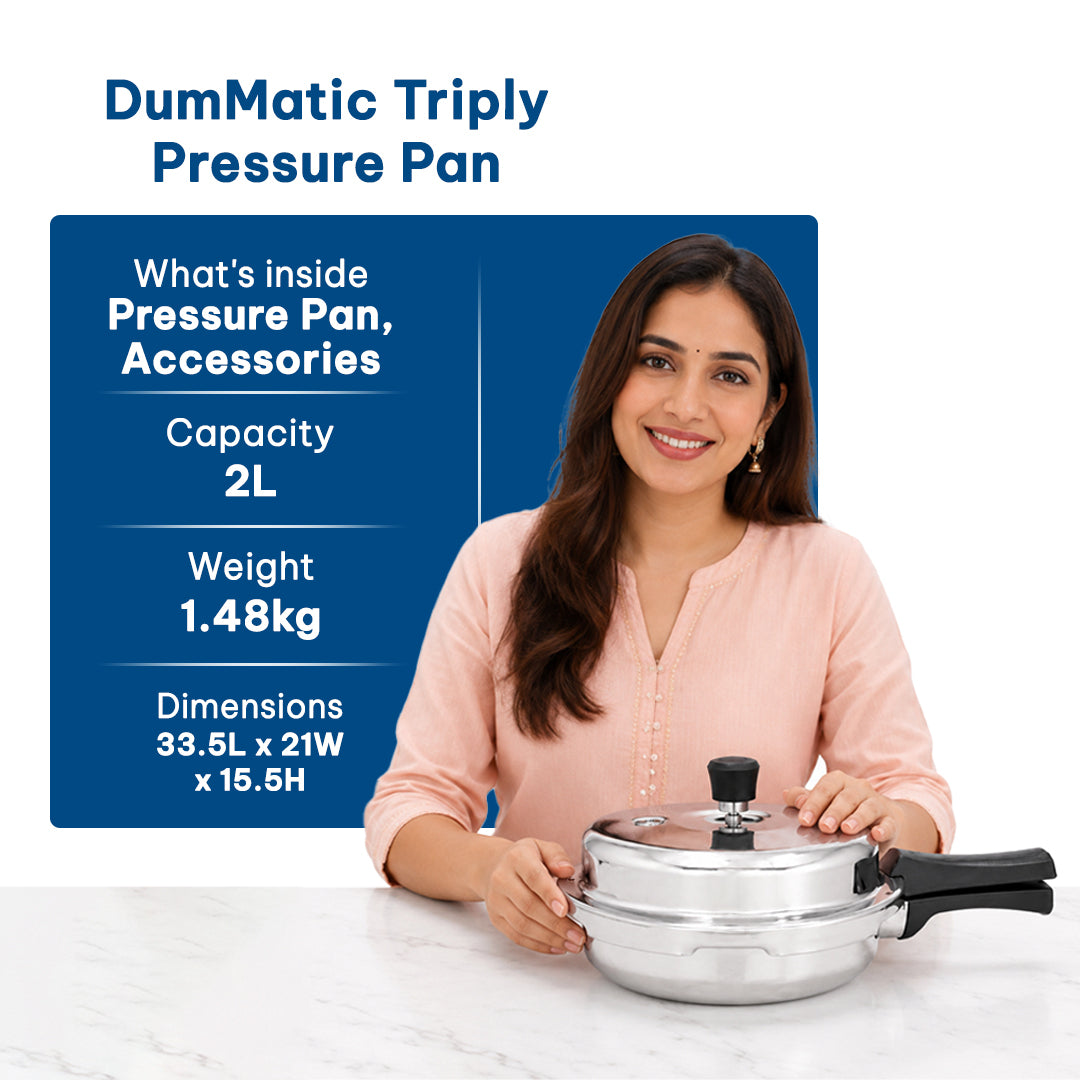
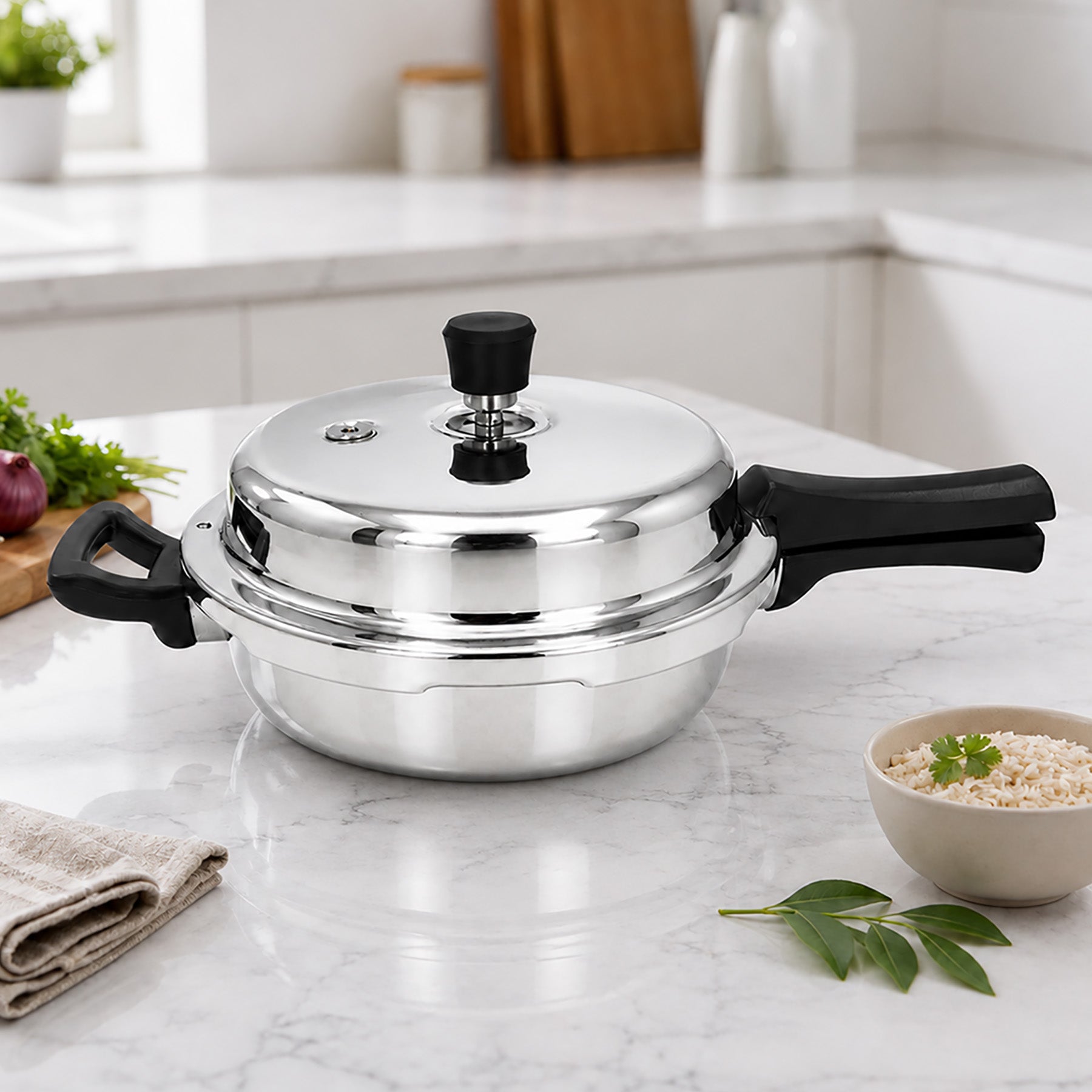
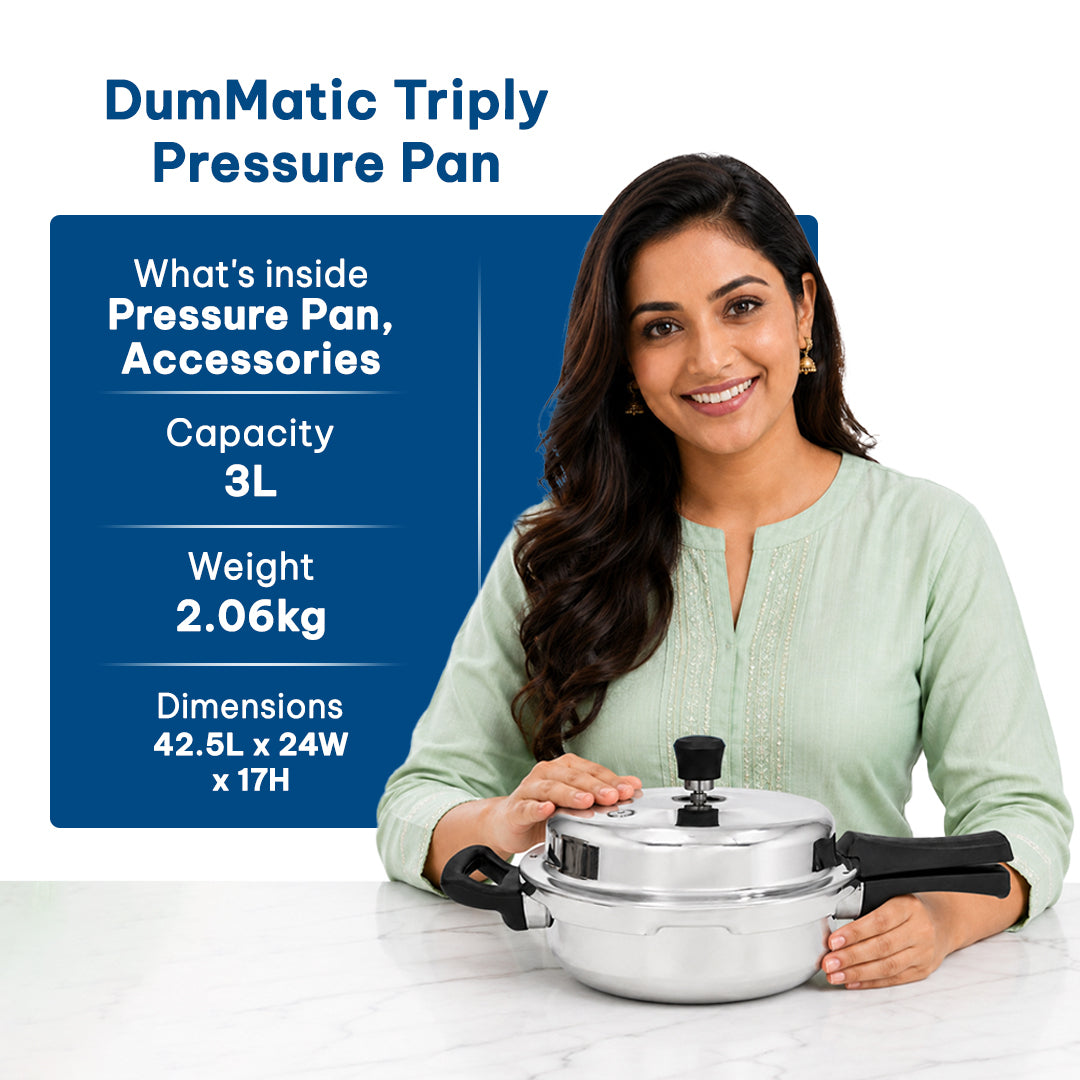
DumMatic Triply Pressure Pan

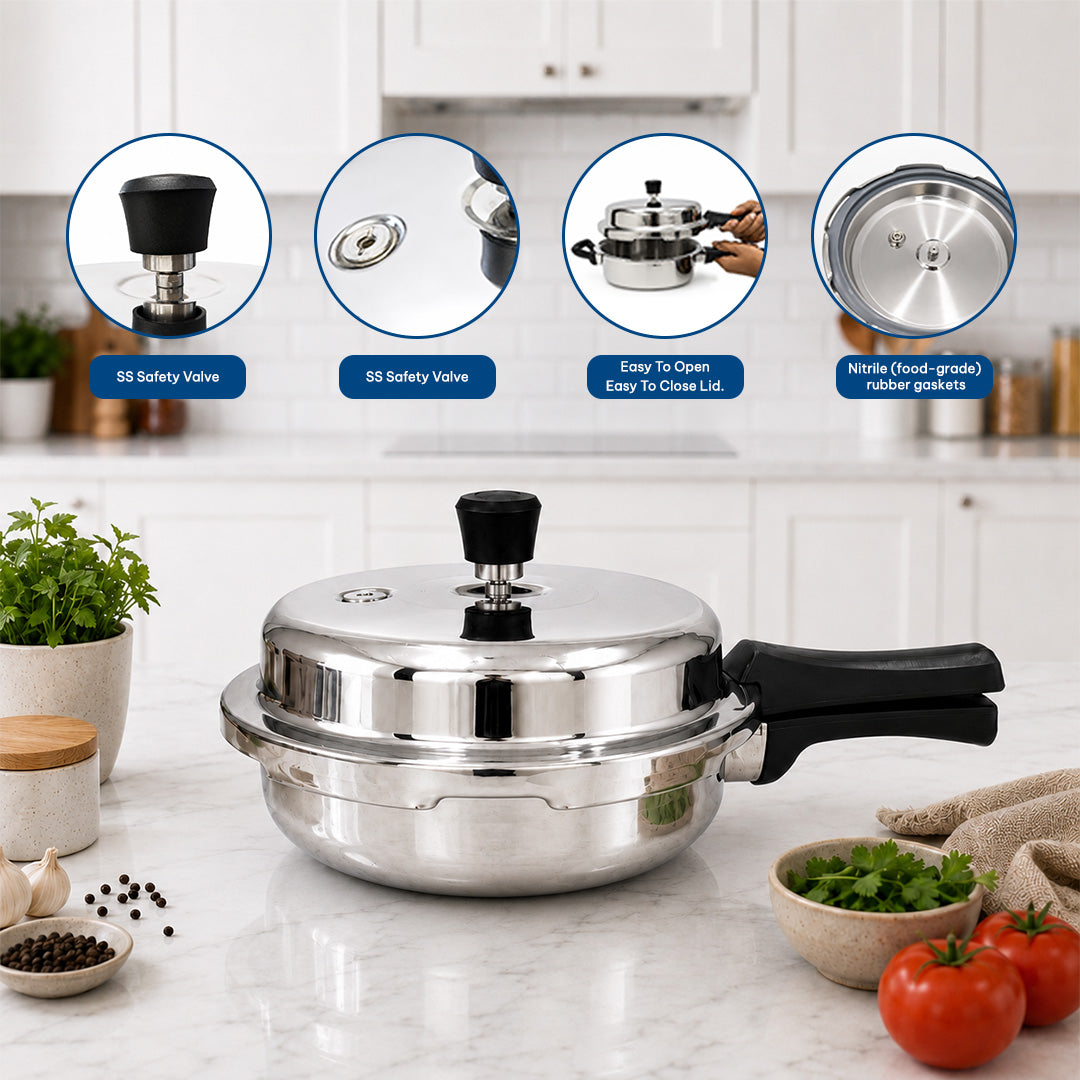
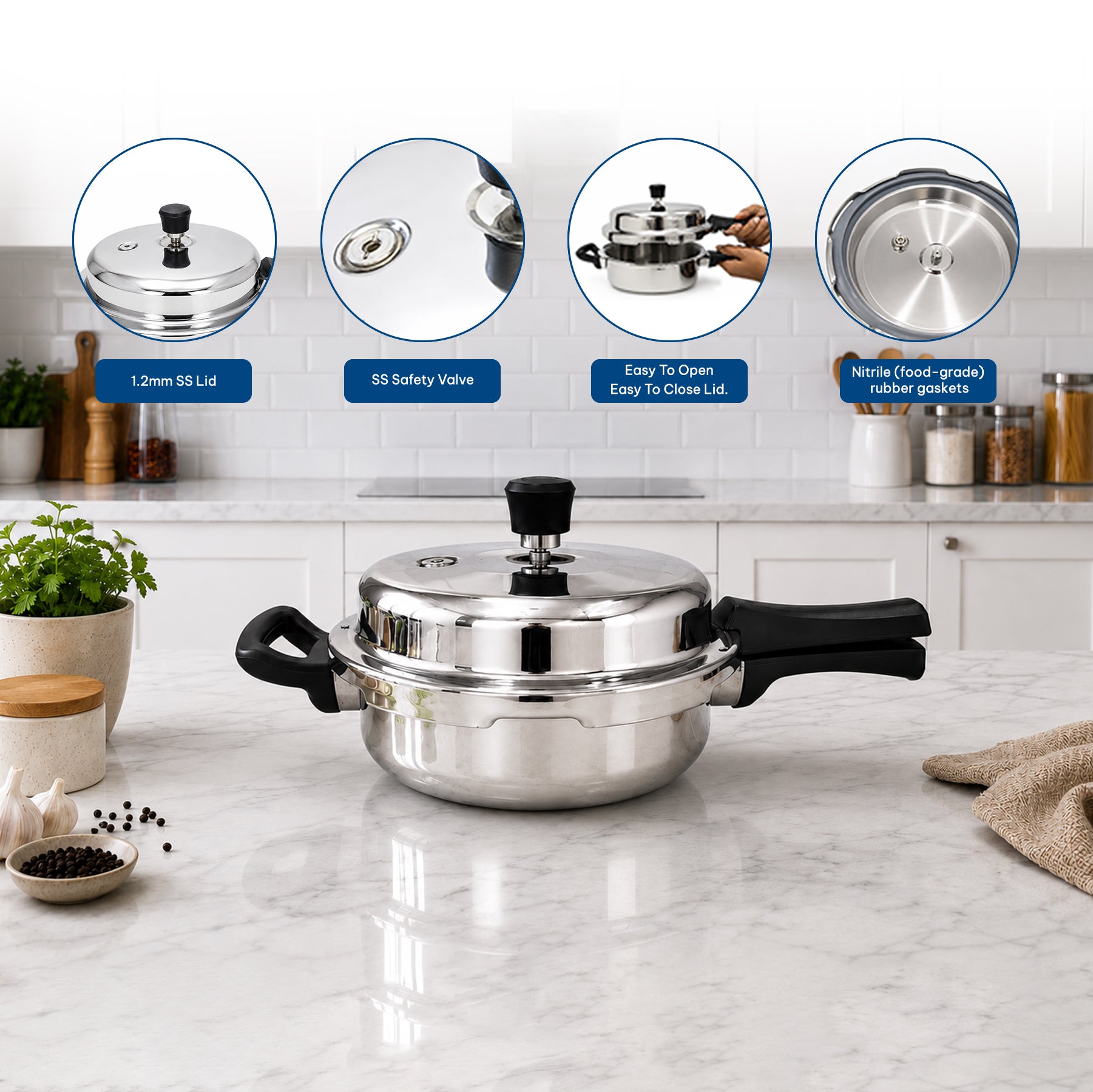
SS Safety Valve

Nitrate Rubber Gaskets

Inner Surface ss 304 food grade

Soft Touch handles
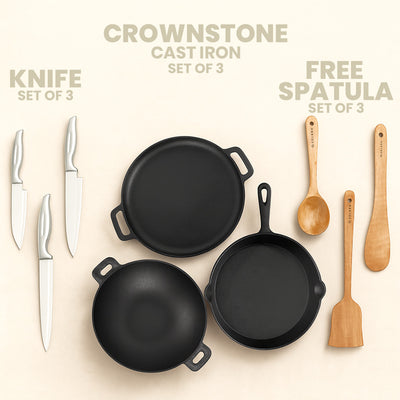
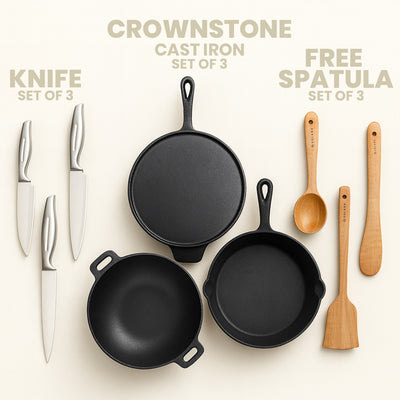
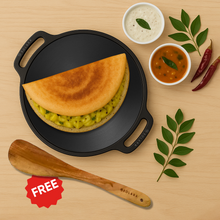
Build Your Own Cookware Combo & Save up to 12%
Add this to any other cookware — cast iron, triply or ceramic. The more pieces you add, the bigger the discount.
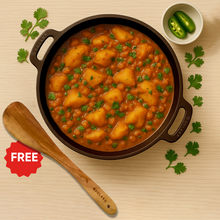
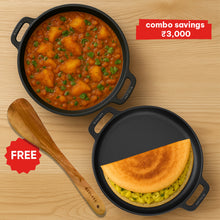
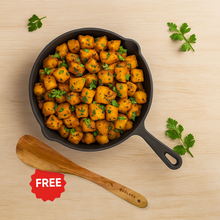
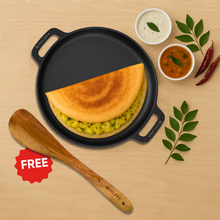
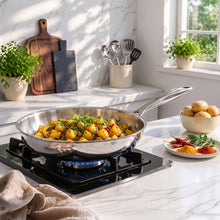
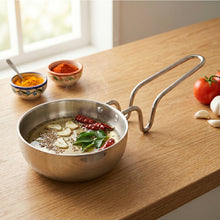
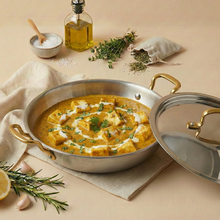
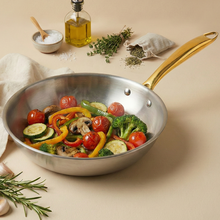
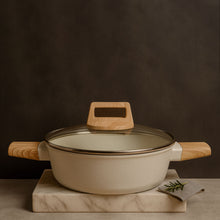
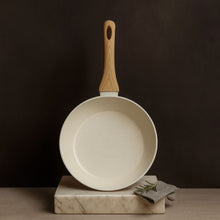
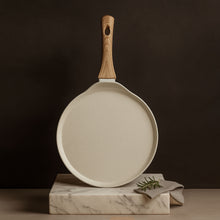
⚡ Most shoppers pick 3 pieces and save 10%
Discount applies automatically at checkout · no code needed · add-ons don’t count toward the tier
Will food stick? Not if you do this.
Stainless gives you a sear non-stick can't — you just need one simple trick before you cook.
-
1
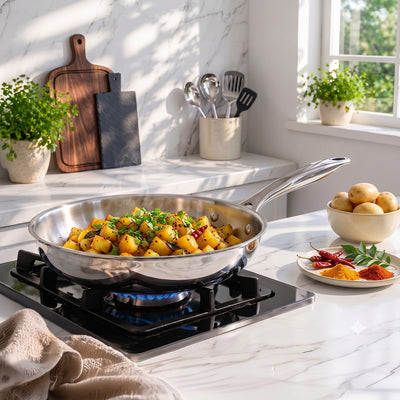
Preheat the pan
Heat the empty pan on medium for about 2 minutes — patience here is everything.
-
2
Do the water test
Flick a few drops of water in. When they bead up and glide like mercury, the pan is ready.
-
3
Add oil, then cook
Swirl in oil, then add your food. It releases cleanly — no sticking, perfect browning.
Master this once and you'll never miss non-stick.
Stainless vs non-stick: do the math
Non-stick gets tossed every couple of years. This pan lasts decades.
+ zero coating flaking into your food
Illustrative estimate based on your inputs.

Crafted for Everyday Excellence
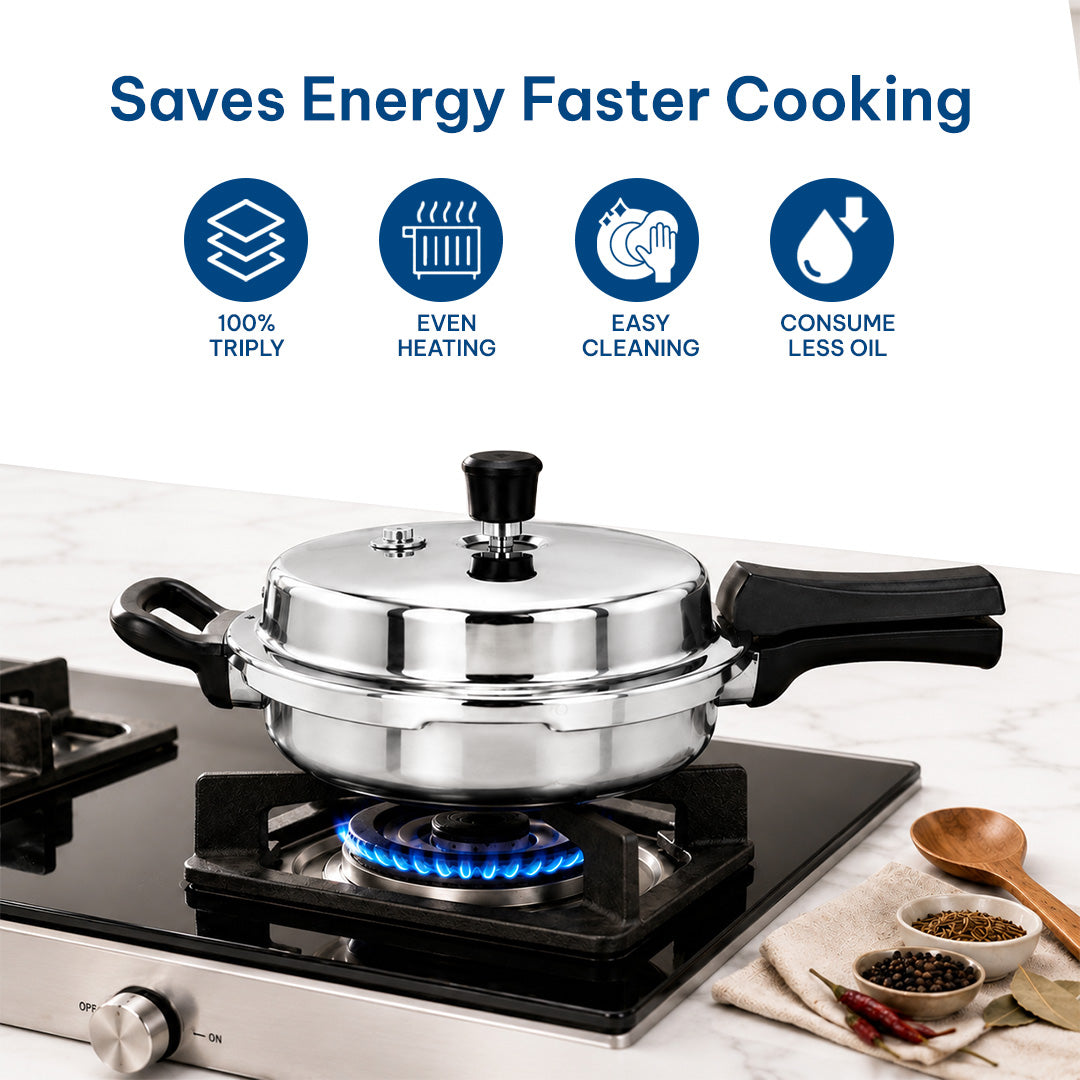
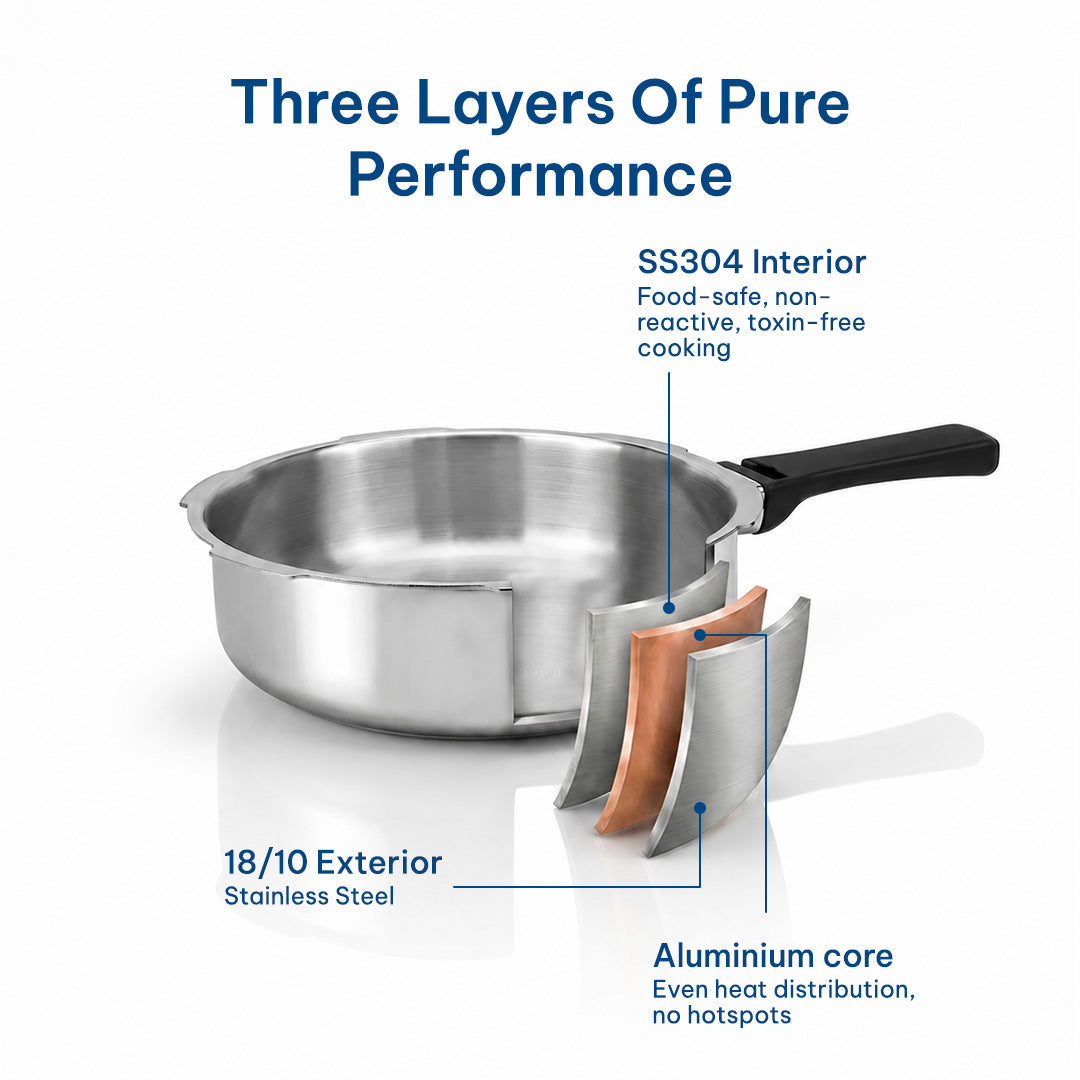
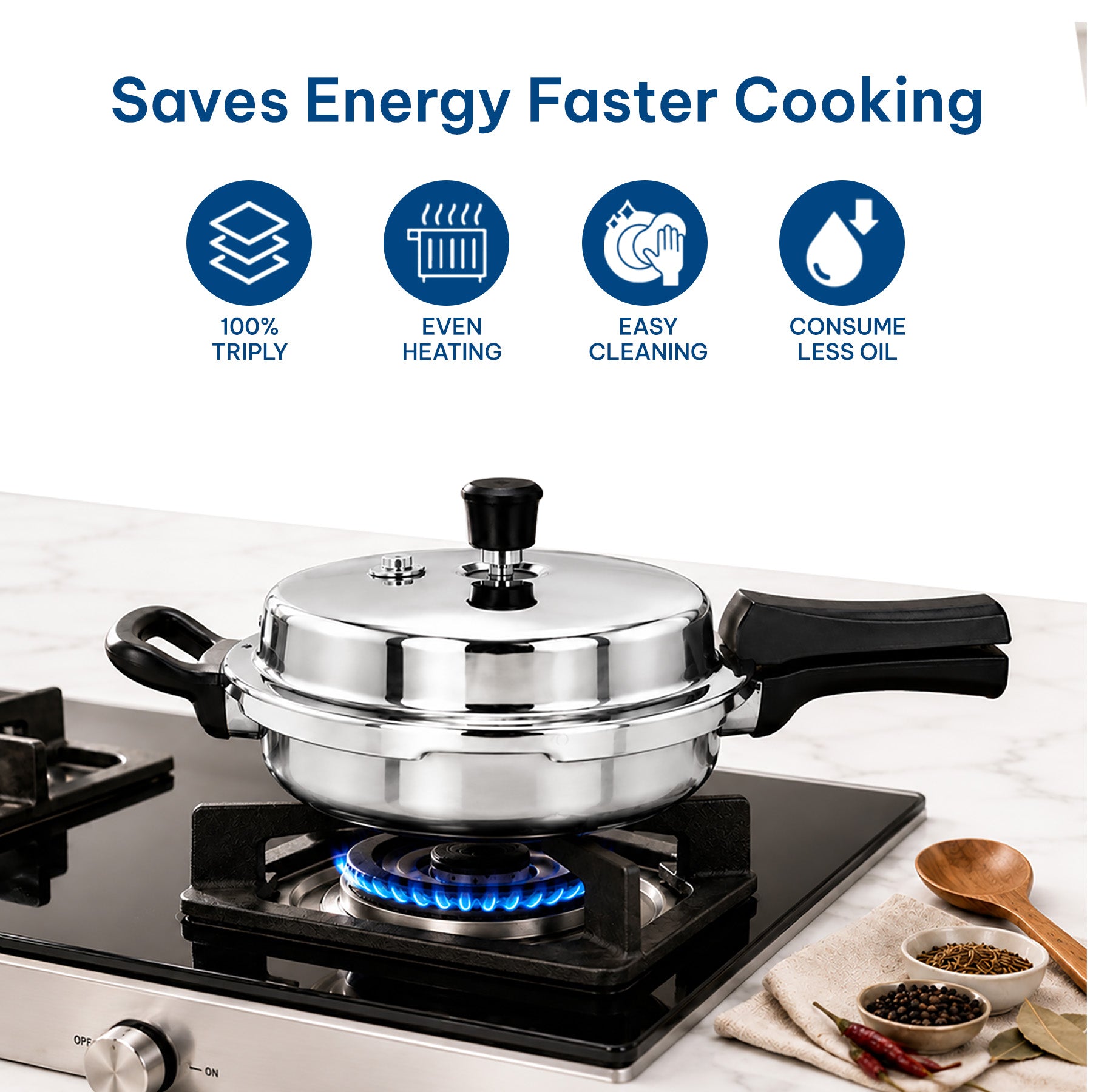
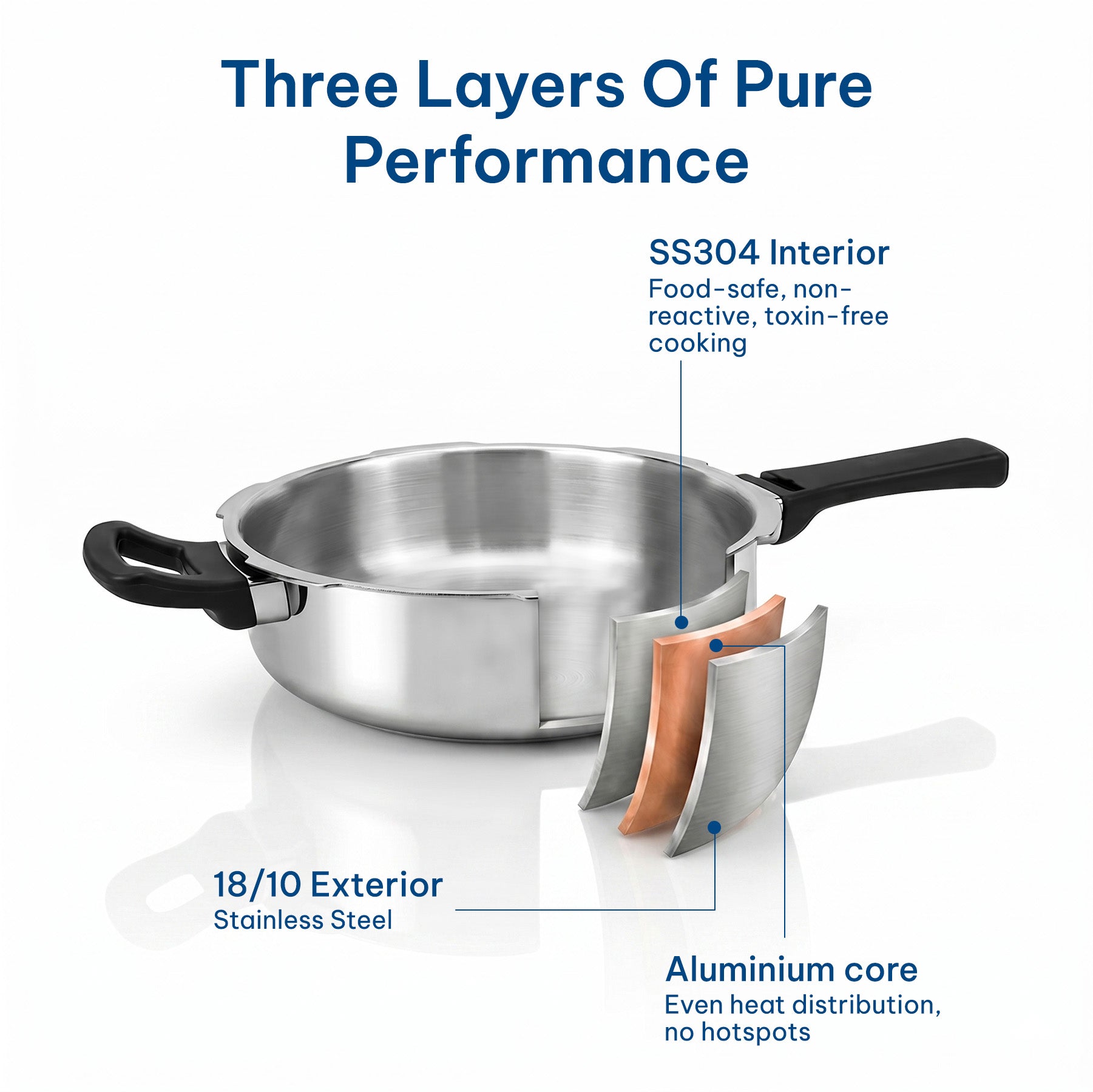
Designed with advanced 3-layer construction, this pressure cooker combines a stainless steel interior, an aluminum core, and a durable stainless steel exterior to deliver even heating, long-lasting performance, and consistently delicious results.

Confidence in Every Meal
The secure outer lid locking system, safety valve, and durable gasket work together to provide a safe cooking experience while locking in steam, natural flavours, and essential nutrients for healthier meals.

Save Time Without Compromise
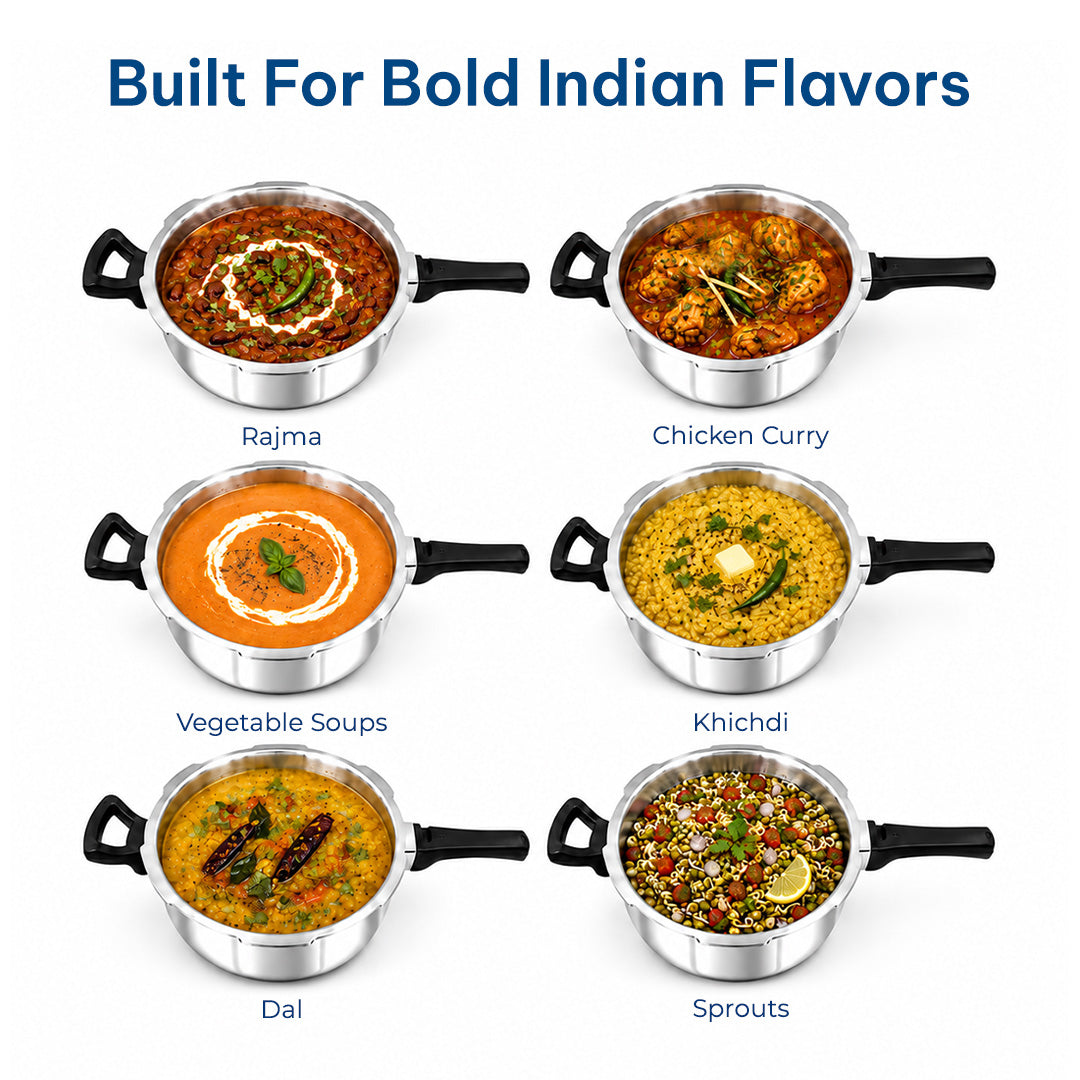
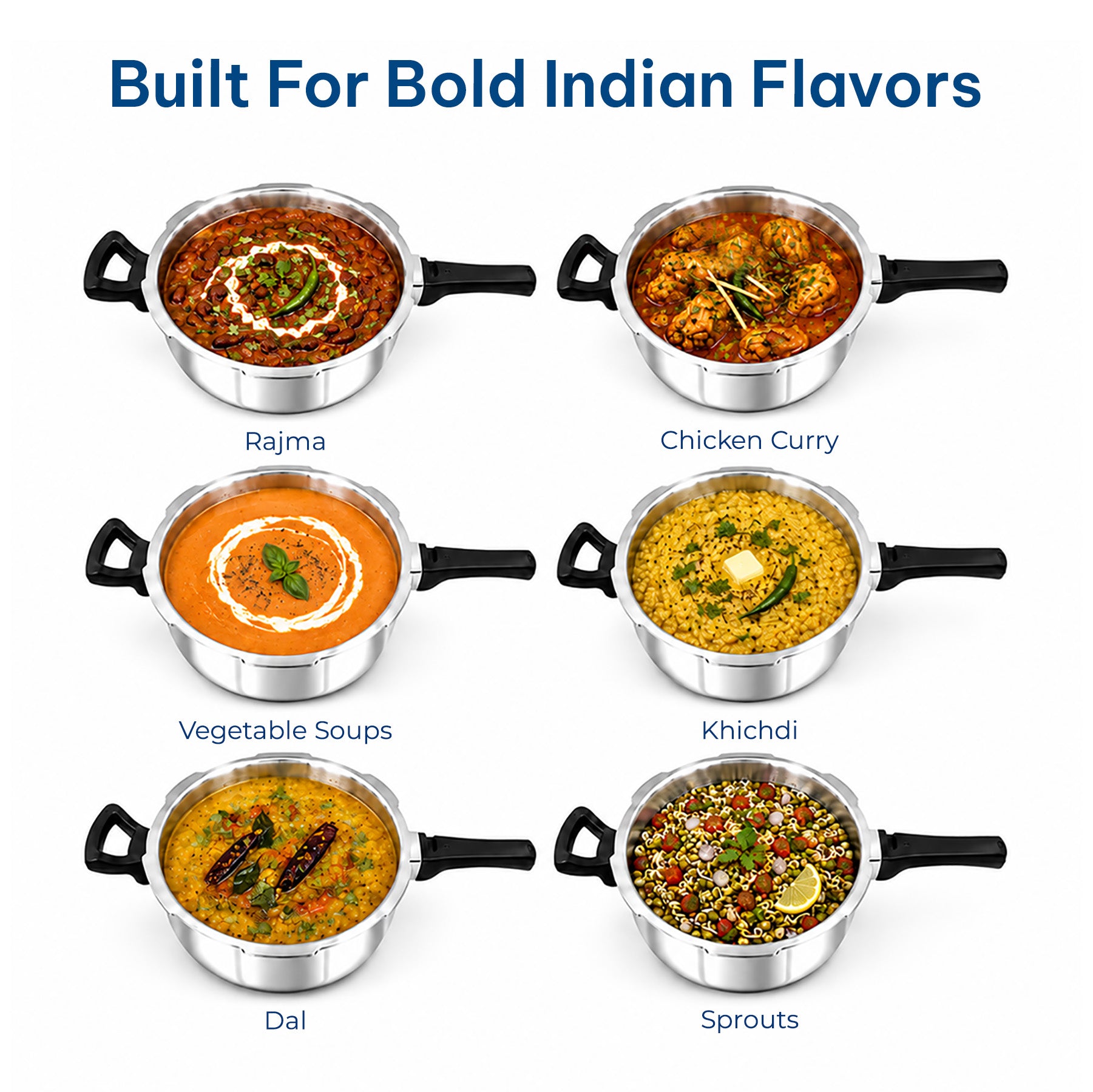
Cook rice, dals, vegetables, and curries faster while using less fuel and water. The efficient design helps you prepare wholesome meals quickly without sacrificing taste or texture.

Built for Safe & Easy Use
Featuring ergonomically designed, heat-resistant handles that stay comfortable to hold, this cooker offers a secure grip and effortless handling, even when preparing larger family meals.

One Cooker for Every Kitchen
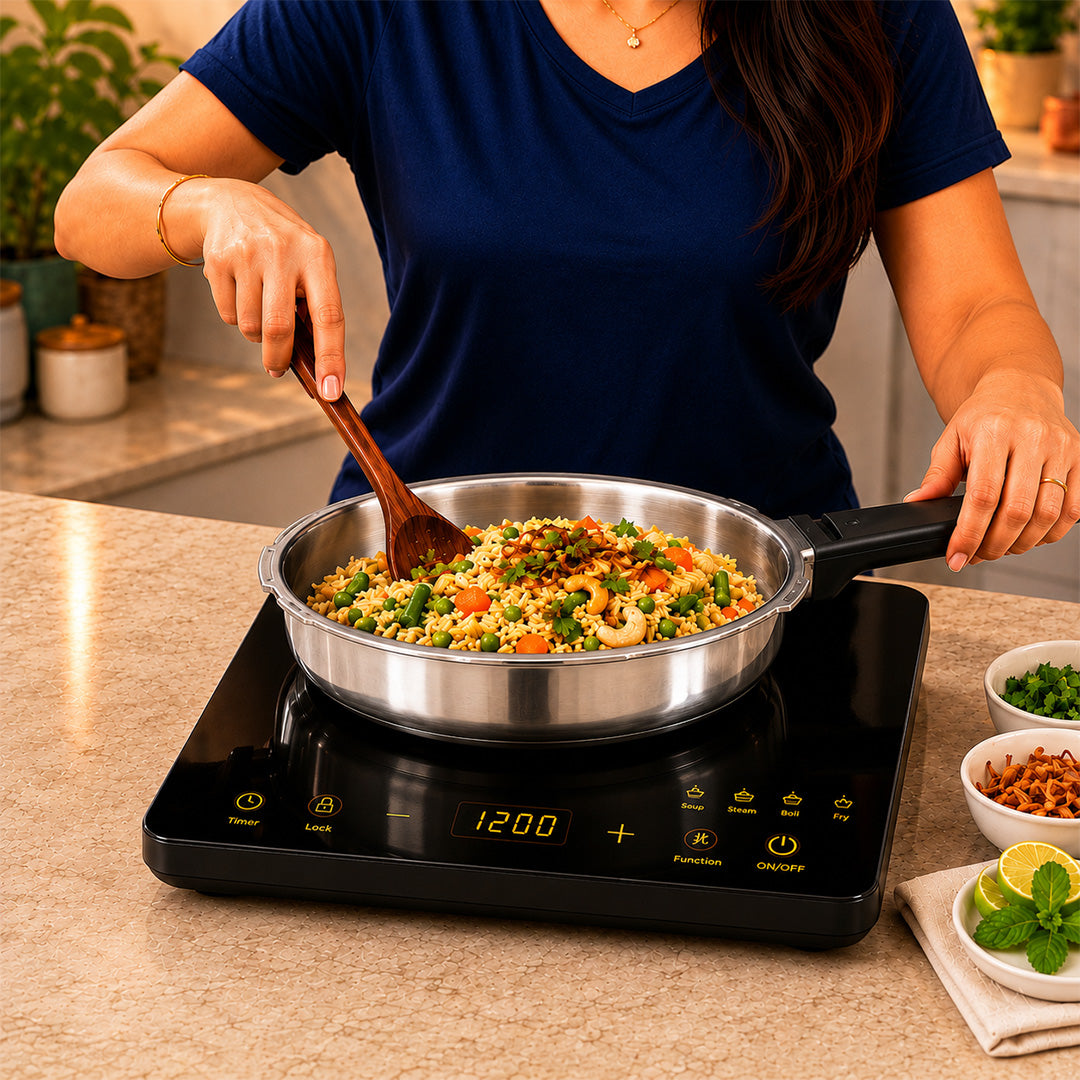
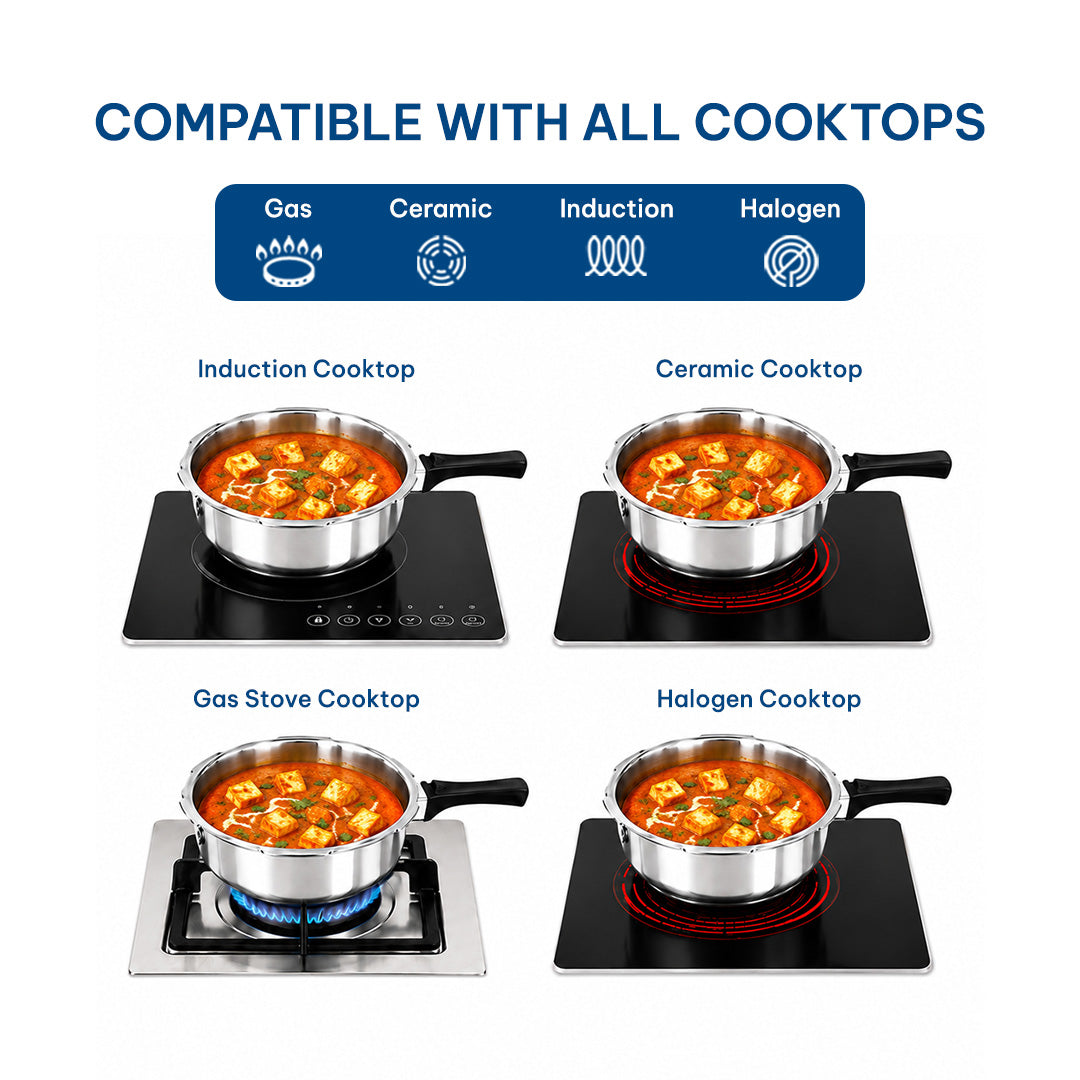
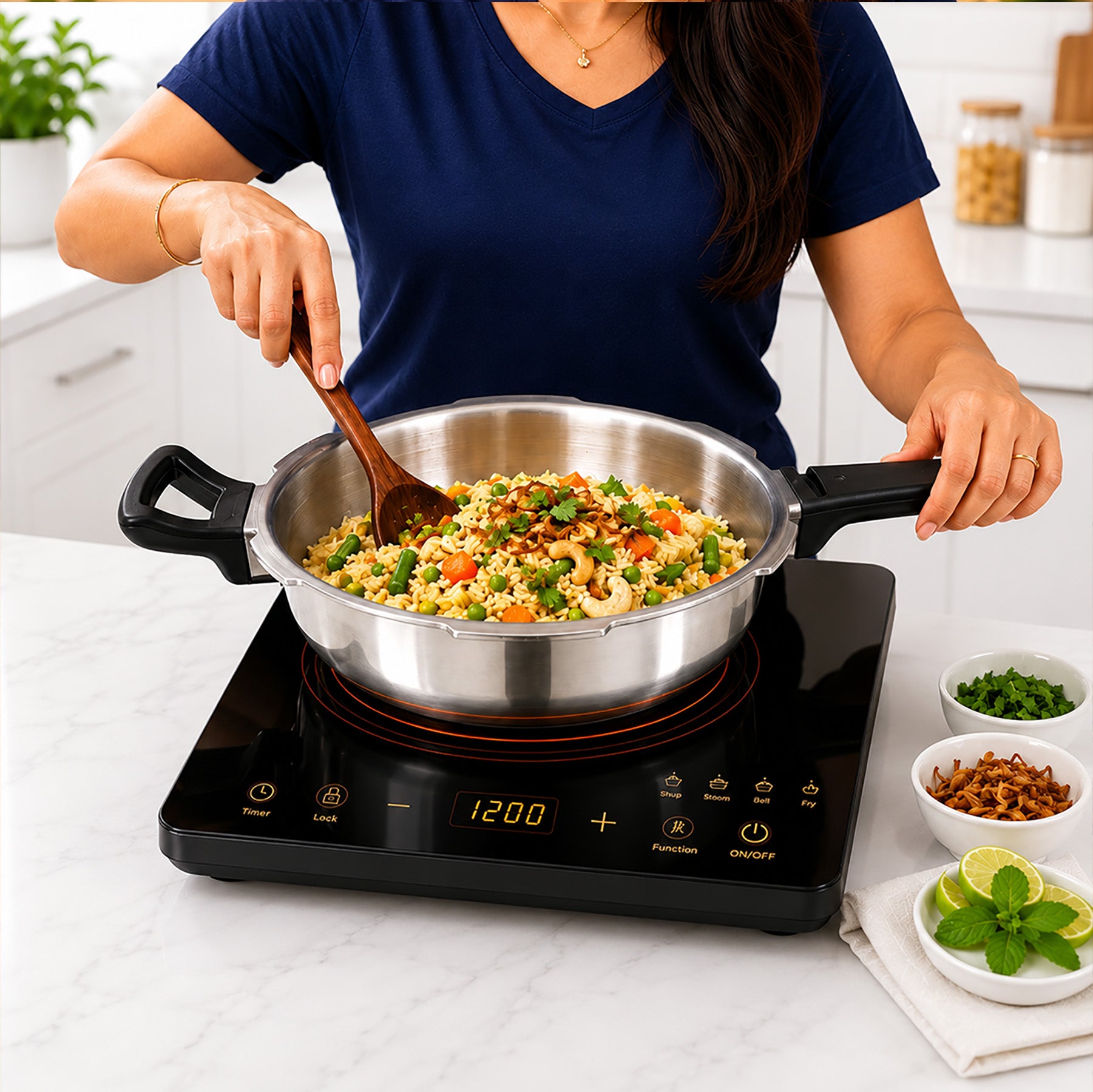
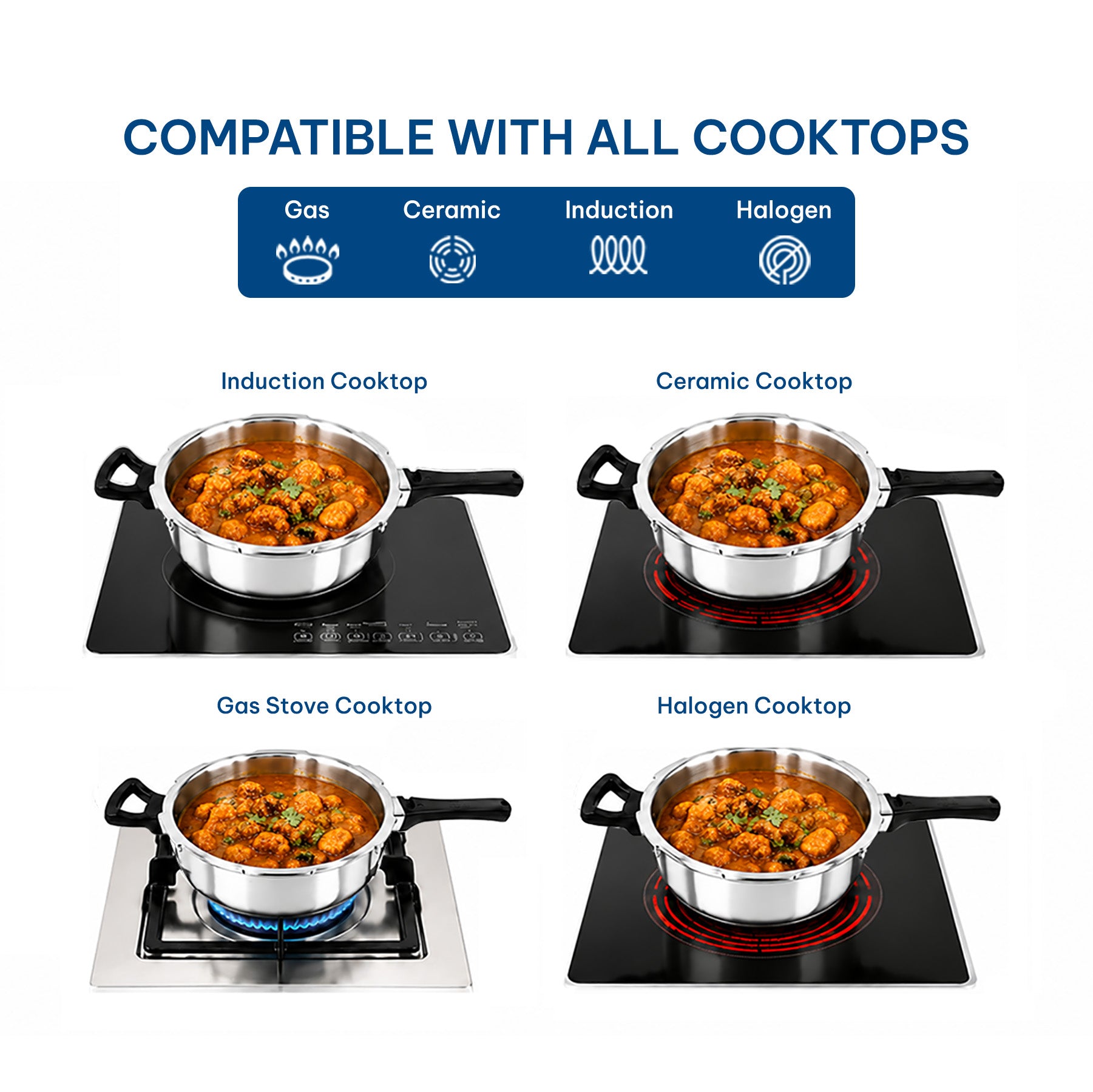
Whether you cook on induction, gas, electric, ceramic, or halogen stovetops, this versatile pressure cooker is designed to perform reliably across all cooking surfaces, making it a perfect fit for every modern kitchen.

Built for Dum, Saute and Shallow Curries
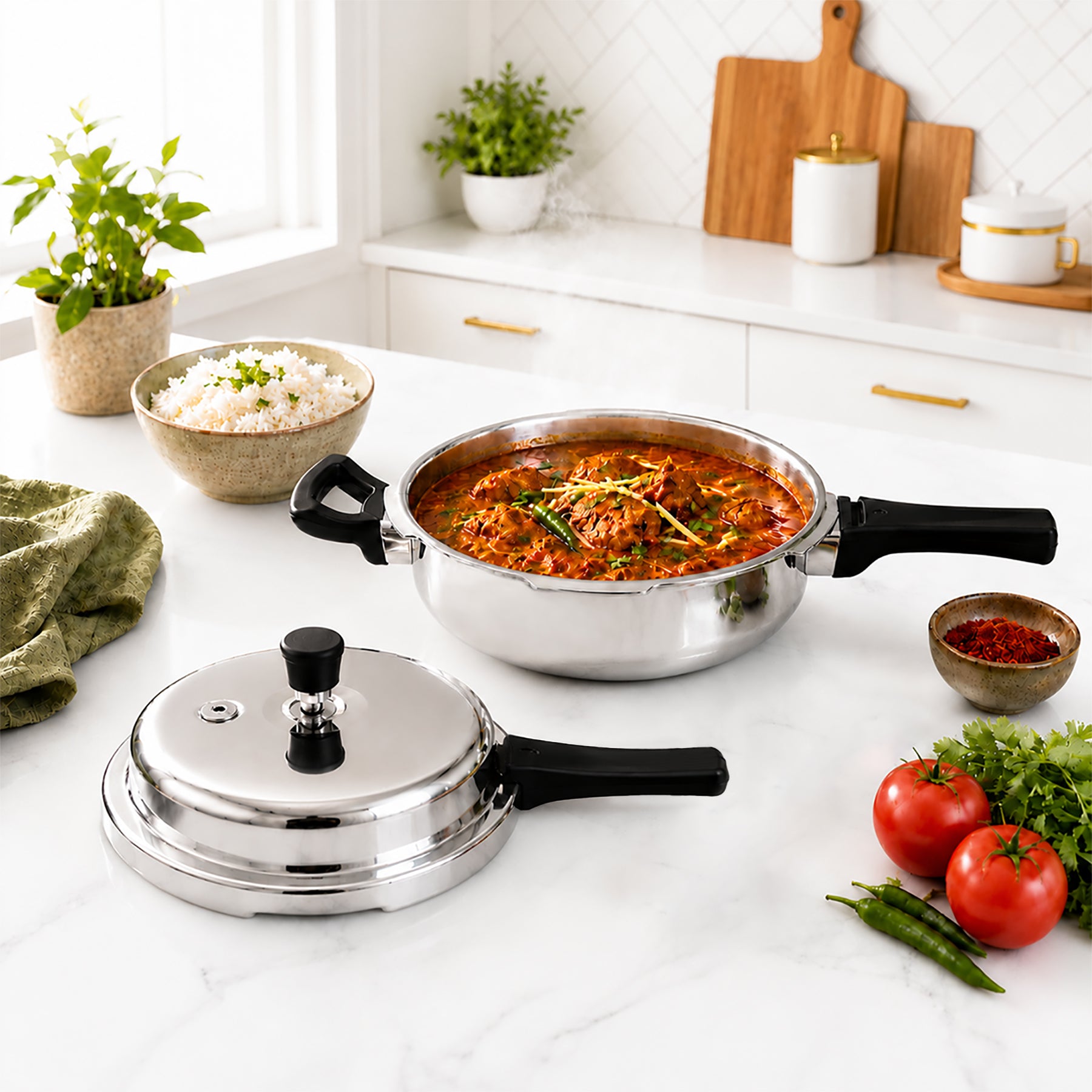
The outer lid locking mechanism, safety valve and durable gasket hold pressure securely even in a shallow body. Because the pan is wide, you can saute the masala and pressure cook in one vessel instead of two - which keeps the flavour, texture and nutrients in the pan and leaves you less to wash.
Complete your TriPly kitchen
More from the tri-ply range — pans, kadais, tadka pans & sets.


Buyer's guide
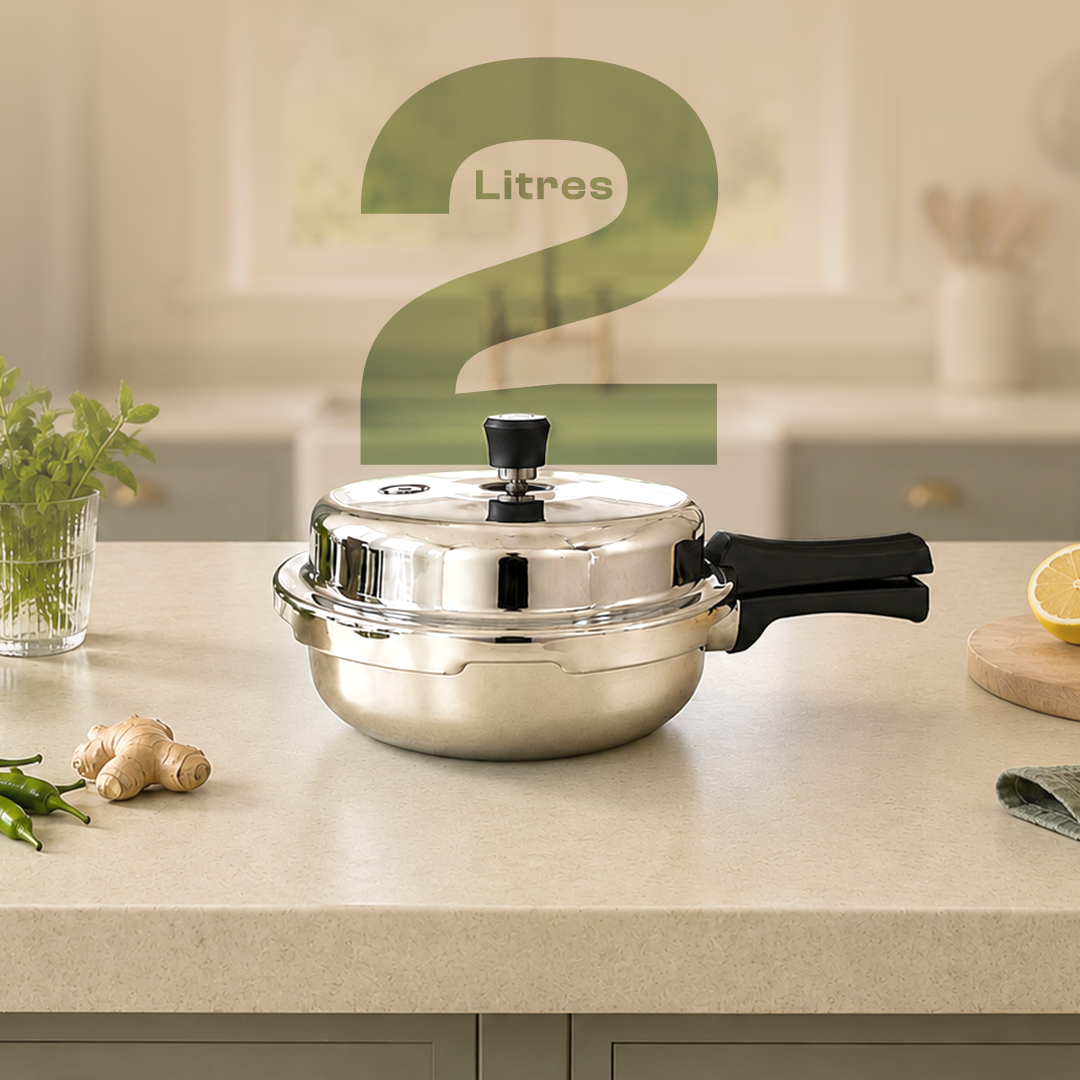
Triply Stainless Steel Pressure Pan — 2L and 3L
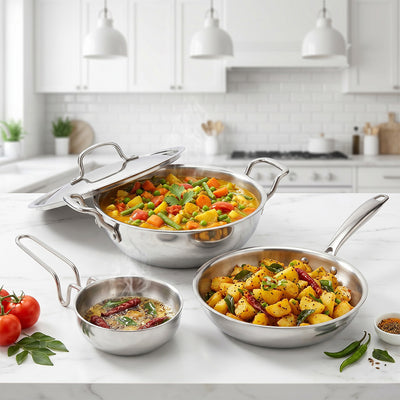
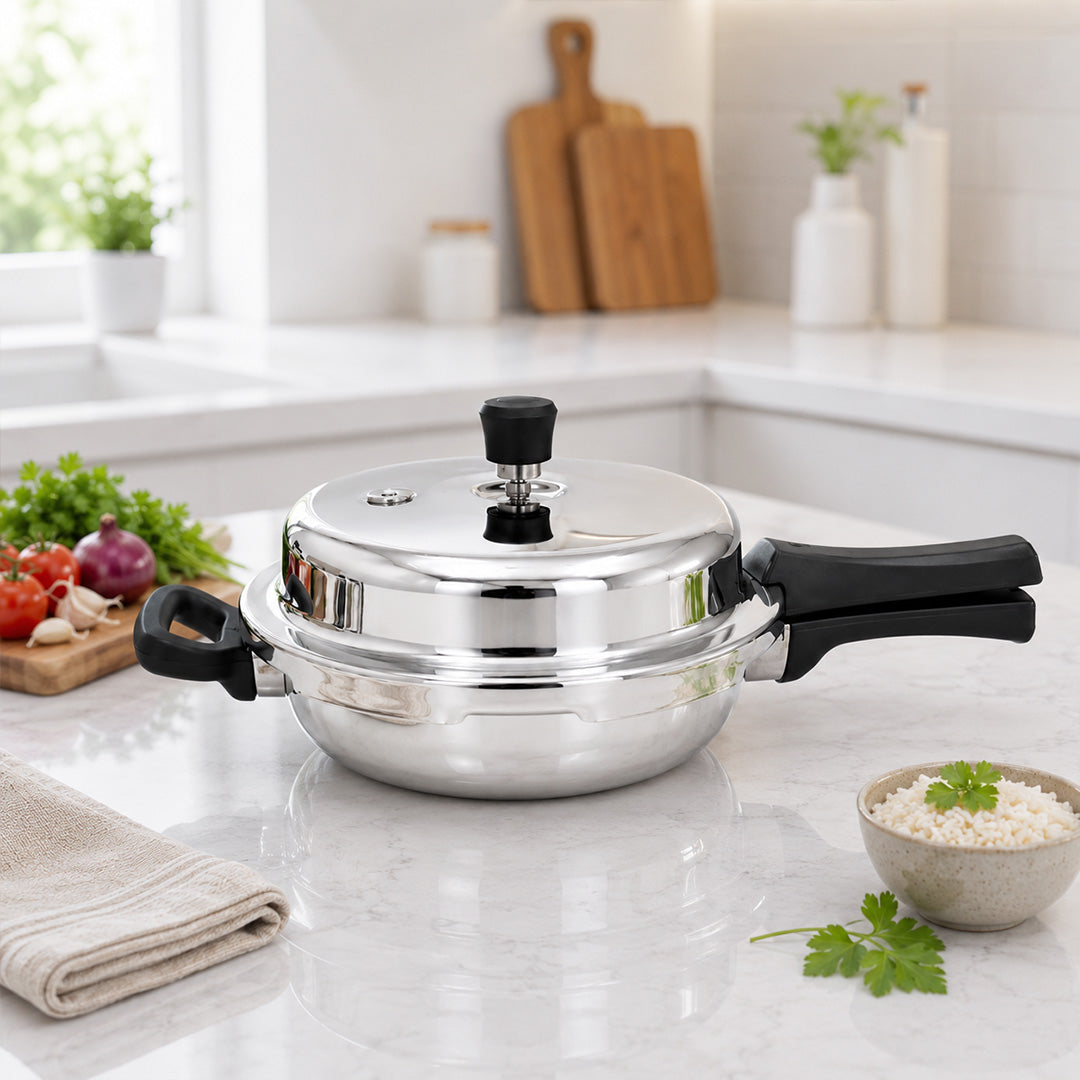
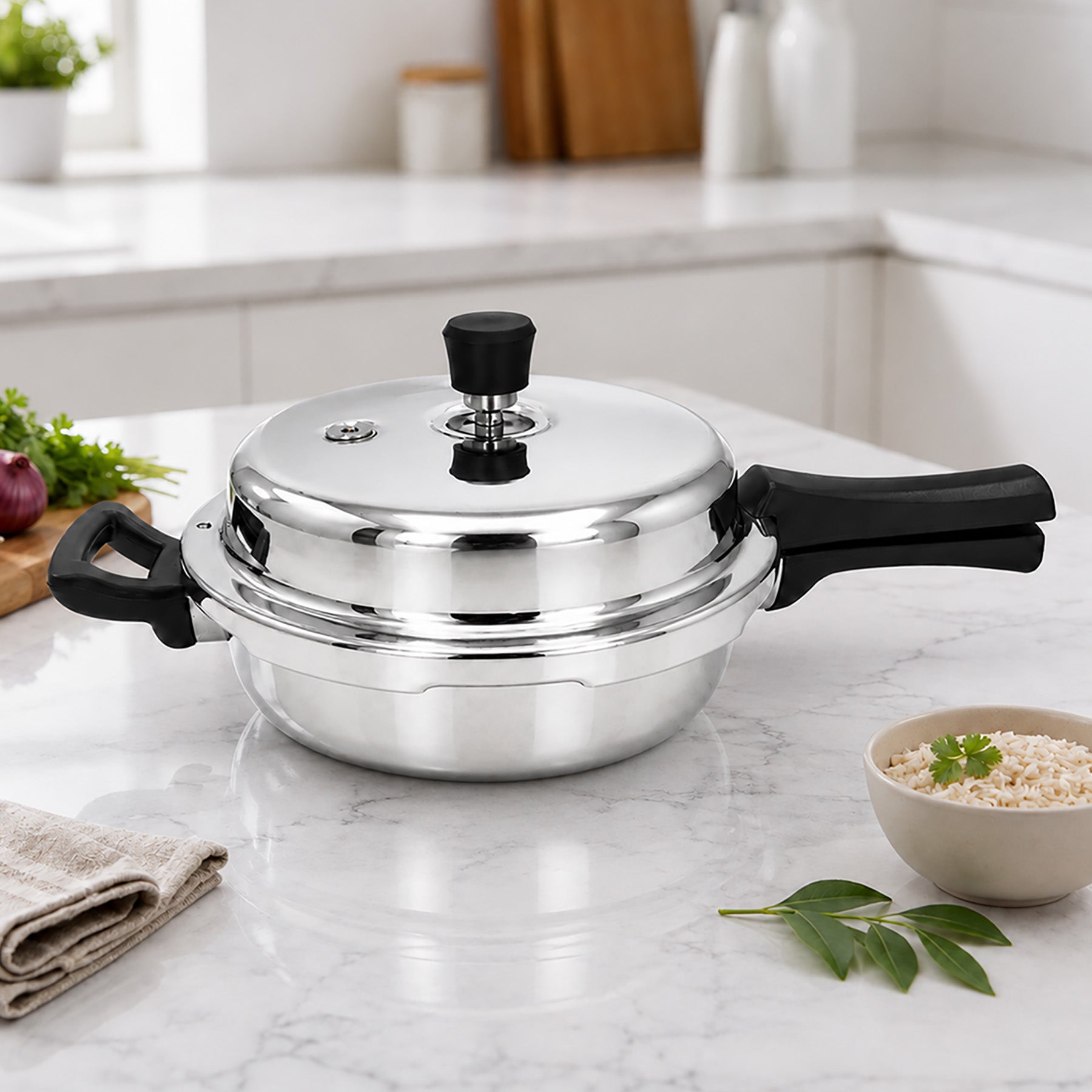
A pressure pan is a pressure cooker with a wide, shallow body instead of a tall, deep one. Same gasket, same safety valve, same whistle — but the broader base changes what it is good at. The SOLARA DumMatic is triply throughout: SS 304 inside, an aluminium heat core, and a magnetic stainless steel outer.
What is a pressure pan actually for?
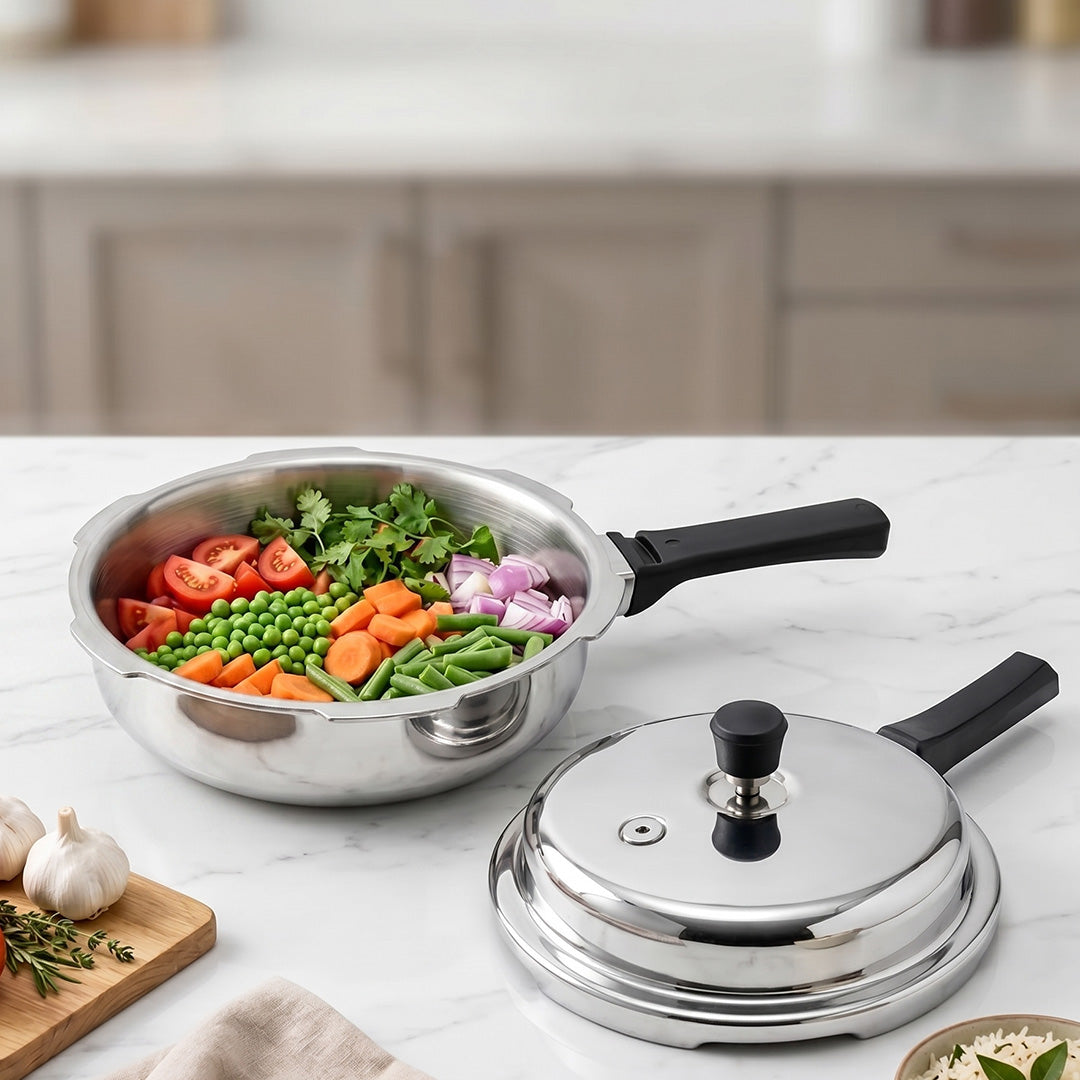
The wide base is the whole point. It gives you enough surface area to genuinely brown onions, ginger-garlic and masala in the pan before you seal the lid — awkward in the narrow well of a deep cooker. It also spreads the liquid out, so gravies reduce and thicken instead of pooling.
- Sabzi and shallow curries — aloo gobi, bhindi masala, egg curry, chicken curry, start to finish in one vessel
- Dum cooking — the flat base gives an even layer, which is exactly what dum aloo wants
- Quick one-pan meals — upma, poha, khichdi, pulao for two
- Reducing gravies — lid off after pressure, and the wide surface evaporates fast
Pressure pan vs pressure cooker
| Pressure pan | Pressure cooker | |
|---|---|---|
| Shape | Wide and shallow | Tall and deep |
| Best for | Sabzi, dum, shallow curries, sautéed masala | Dal, rice, rajma, chole, biryani |
| Foaming foods | Less suitable — less headroom | Better — the depth contains froth |
| Storage | Stacks flat | Needs vertical space |
If you only buy one, buy the cooker — dal and rice are daily jobs and they need depth. The pan is the better second vessel, because it does a genuinely different job and lets two dishes cook at once. Full comparison in pressure pan vs pressure cooker.
2 litre or 3 litre?
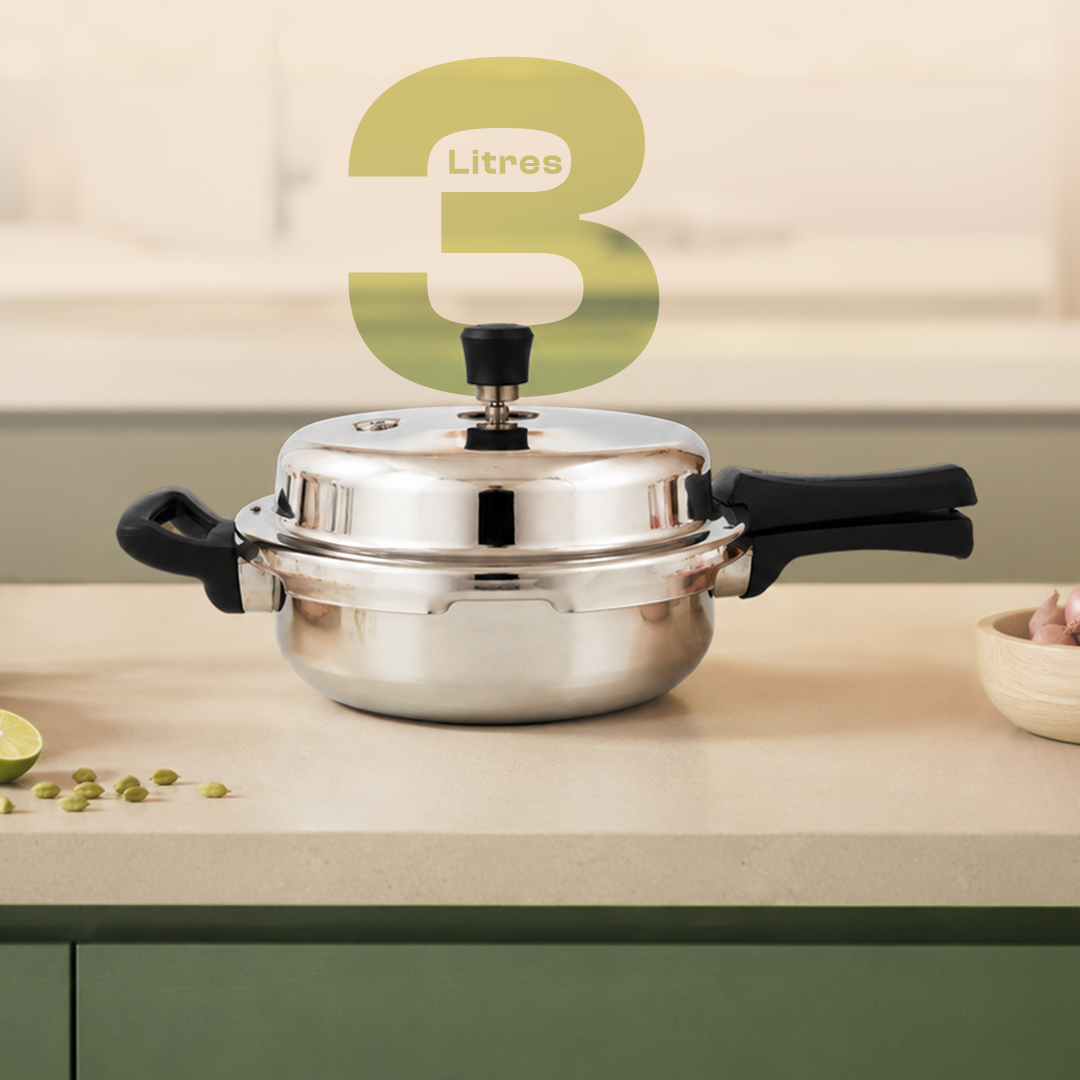
Because a pan is shallow, size it by dish rather than by litre. A 2 litre pressure pan makes sabzi for 2–3 people; a 3 litre pressure pan makes a full family curry for 3–5.
Cooktops and care
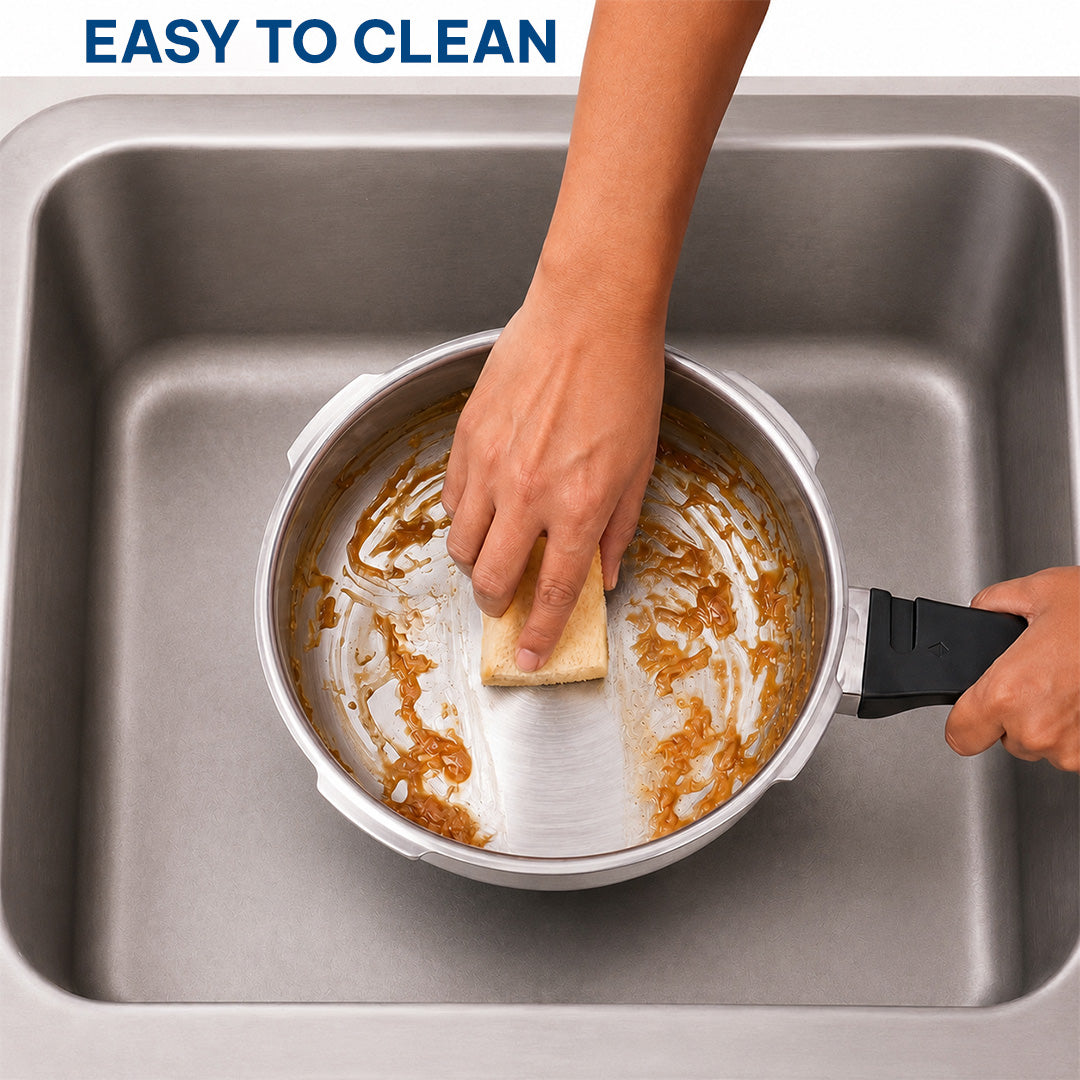
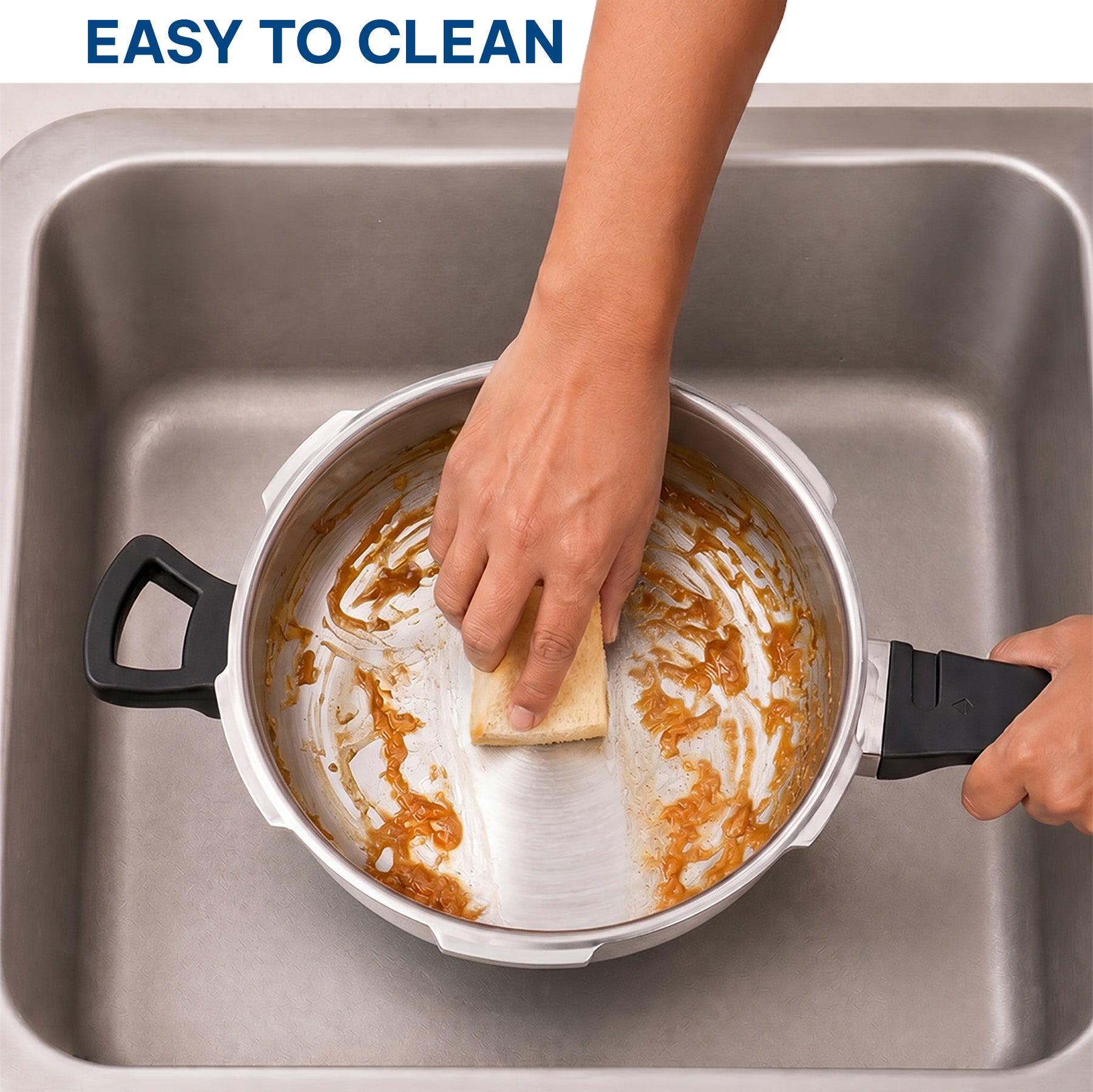
The flat triply base works on induction, gas, electric, ceramic and halogen. Preheat the pan and add oil before the ingredients and sticking largely disappears; the even triply base means masala browns rather than catching in a hot ring. Hand wash with a soft sponge, and replace the gasket every 12–18 months.
Common questions
Can I cook rice and dal in a pressure pan? In small quantities, keeping it no more than half full. Dal and rice foam, and a shallow body gives that froth less room.
Does a pressure pan cook faster? It reaches pressure a little faster because there is less volume to heat. Once at pressure, times are broadly the same.
How is it different from a kadai? A kadai is open and cooks at atmospheric pressure. A pressure pan seals and builds pressure, so the same dish finishes far quicker and stays moister.